The European Union finds itself in a geopolitical bind over China’s rapidly growing industrial presence in Morocco.
Thank you for reading this post, don't forget to subscribe!To bypass heavy Western tariffs on electric vehicles—which reach up to 35.3% in the EU and 100% in the US—Beijing has turned Morocco into its premier nearshoring hub. This creates a sharp contradiction for Brussels: European policymakers rely on these very supply chains to meet their ambitious green energy goals, yet they deeply fear losing industrial sovereignty to China right on their doorstep.
Why Morocco is China’s Strategic Gateway
Morocco is rapidly becoming to Europe what Mexico is to the United States: a critical manufacturing backdoor. Several factors make the North African kingdom irresistible to Chinese industrial giants:
- Tariff-Free Access: Morocco holds Free Trade Agreements (FTAs) with both the EU and the US. By manufacturing components or assembling vehicles locally, Chinese firms can use “Made in Morocco” labeling to legally circumvent protectionist tariffs.
- The Battery Jackpot: The EV industry is shifting heavily toward Lithium Iron Phosphate (LFP) batteries. Because Morocco controls roughly 72% of the world’s phosphate reserves, it has become the ultimate destination for battery supply chains.
- Logistical Dominance: Located just 9 miles from Spain, Morocco boasts the Tanger Med port—the largest in Africa and the Mediterranean—enabling seamless, “just-in-time” logistics directly into Europe.
The Billion-Dollar Industrial Footprint
Chinese investments in Morocco’s automotive and green tech sectors have already surged past $10 billion. Major anchor projects include:
| Project / Company | Investment | Focus | Location |
| Gotion High-Tech | $6.5 Billion | Africa’s first EV battery gigafactory, targeting a 100 GWh capacity. | Kenitra |
| CNGR & Al Mada | $2.0 Billion | Joint venture producing critical cathode materials for EV batteries. | Jorf Lasfar |
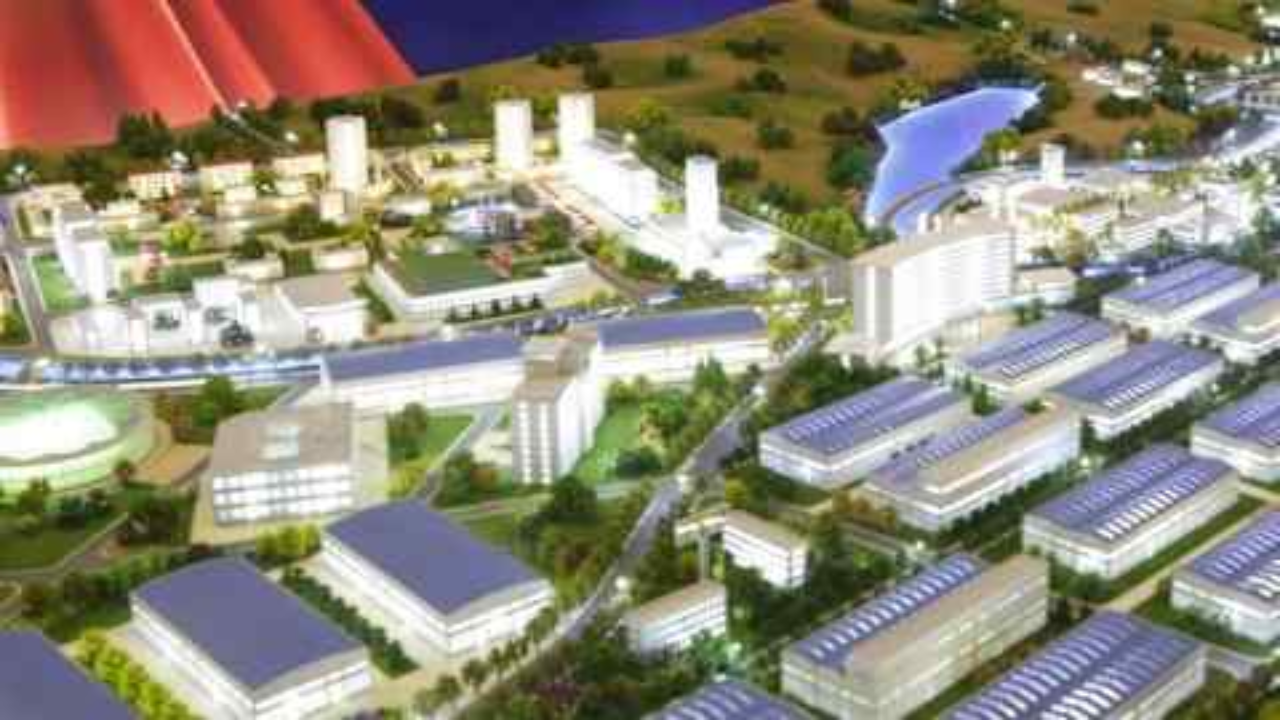
| Tangier Tech City | Built by CCCC / CRBC | A massive smart city and industrial zone designed to host 200 Chinese firms. | Tangier |
| Sentury Tire | Multi-million | Advanced radial tire manufacturing facility to supply European automakers. | Tangier |
Why Brussels is Worried
The EU’s anxieties stem from a mix of economic vulnerability and direct industrial competition:
The Battery Supply Chain Gap: European automakers are openly concerned about their lack of domestic alternatives. As Sebastian Wolf, COO of Volkswagen’s battery unit (PowerCo), noted: “We don’t have any supply chain [in Europe]… Right now, we have to be honest that the set-up of LFP supply chain is happening in Morocco and not in Europe.”
- Undermining EU Protections: The EU enacted steep anti-subsidy tariffs to protect domestic automakers (like Renault, Stellantis, and VW) from being undercut by state-subsidized Chinese EVs. China’s Moroccan workaround threatens to blunt the impact of these trade barriers.
- Shifting, Not Solving, Dependence: Europe’s stated goal is to “de-risk” from Beijing. However, if European carmakers rely entirely on Chinese-owned factories in North Africa for their batteries, the EU hasn’t achieved independence—it has simply shifted its supply chain reliance geographically.
- Regulatory Blind Spots: Enforcing the EU’s strict Environmental, Social, and Governance (ESG) and carbon-traceability rules becomes highly complex when dealing with Chinese state-backed entities operating inside a sovereign third country.
Morocco has no intention of turning down billions in investments and thousands of local jobs to appease Brussels. This leaves the EU with a difficult choice: accept that its green transition will be fueled by Chinese technology built in North Africa, or implement even stricter trade barriers that risk stalling its own climate timelines.

"Suresh Kumar Saini is an experienced Tax Assistant and finance writer. He specializes in US & Canada Tax Guide, Indian Income Tax laws, GST compliance, and personal finance, helping freelancers and remote workers optimize their taxes."