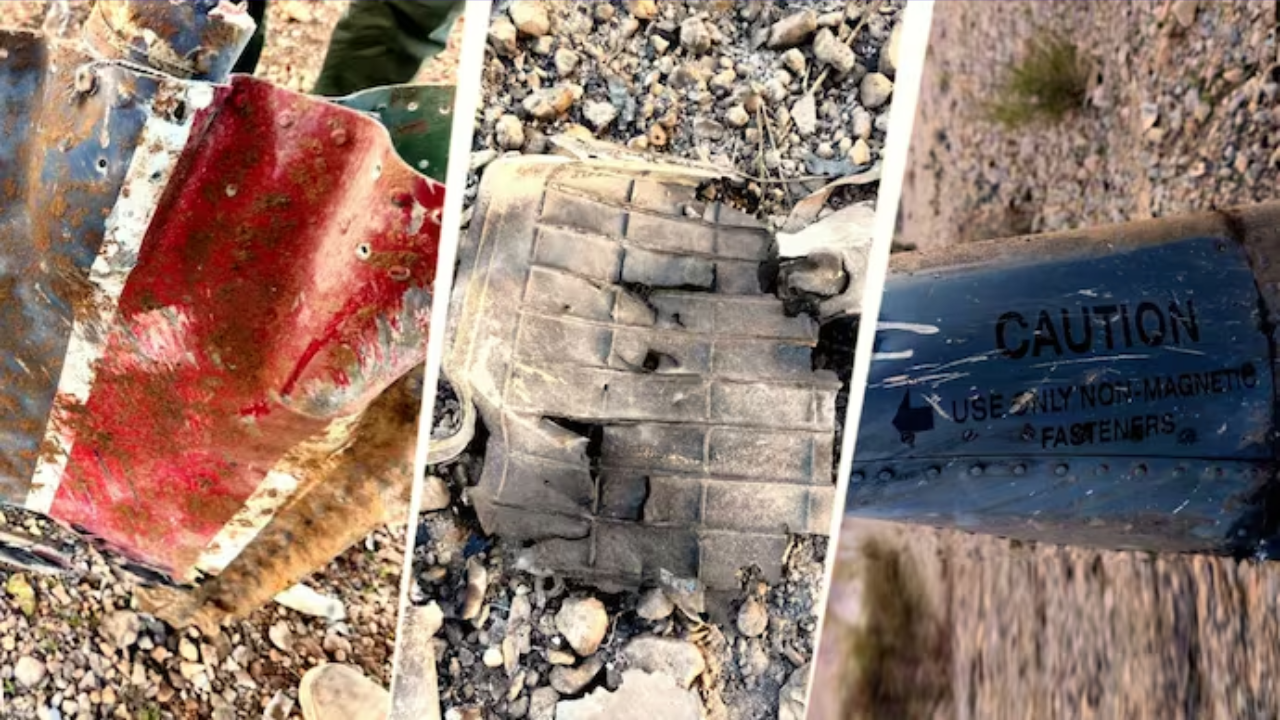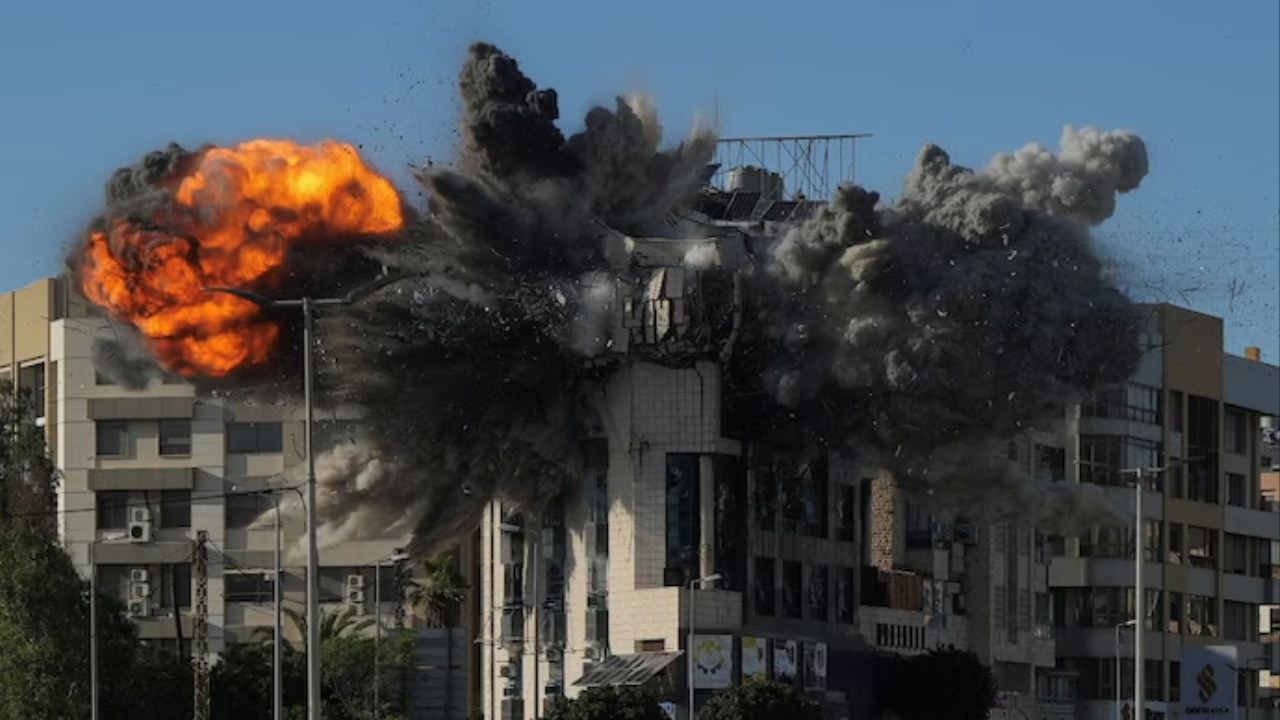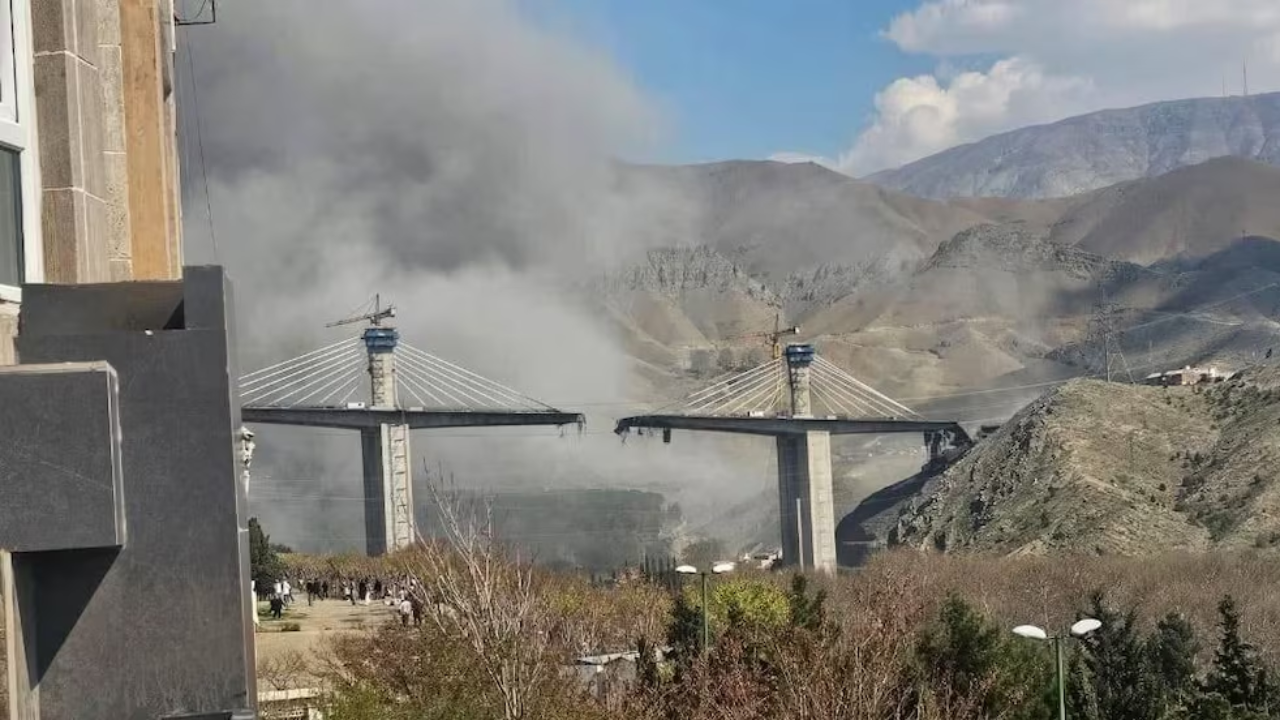
Regional tensions have reached a fever pitch following a precision U.S. airstrike on Iran’s B1 Bridge (Azimiyeh Bridge) in Karaj on April 2, 2026. In a swift propaganda response, Iranian state-affiliated media has released a list of eight major bridges across the Persian Gulf and Jordan, identifying them as primary targets for “tit-for-tat” retaliation.
Thank you for reading this post, don't forget to subscribe!The Strike on the B1 Bridge
- Humanitarian Impact: Local reports indicate 8 fatalities and nearly 100 injuries. The casualties include civilians participating in the “Sizdah Be-dar” (Nature Day) festivities.
- Logistical Fallout: Beyond the loss of life, the strike has severed a vital artery for the Alborz province, resulting in massive traffic gridlock and localized power failures.
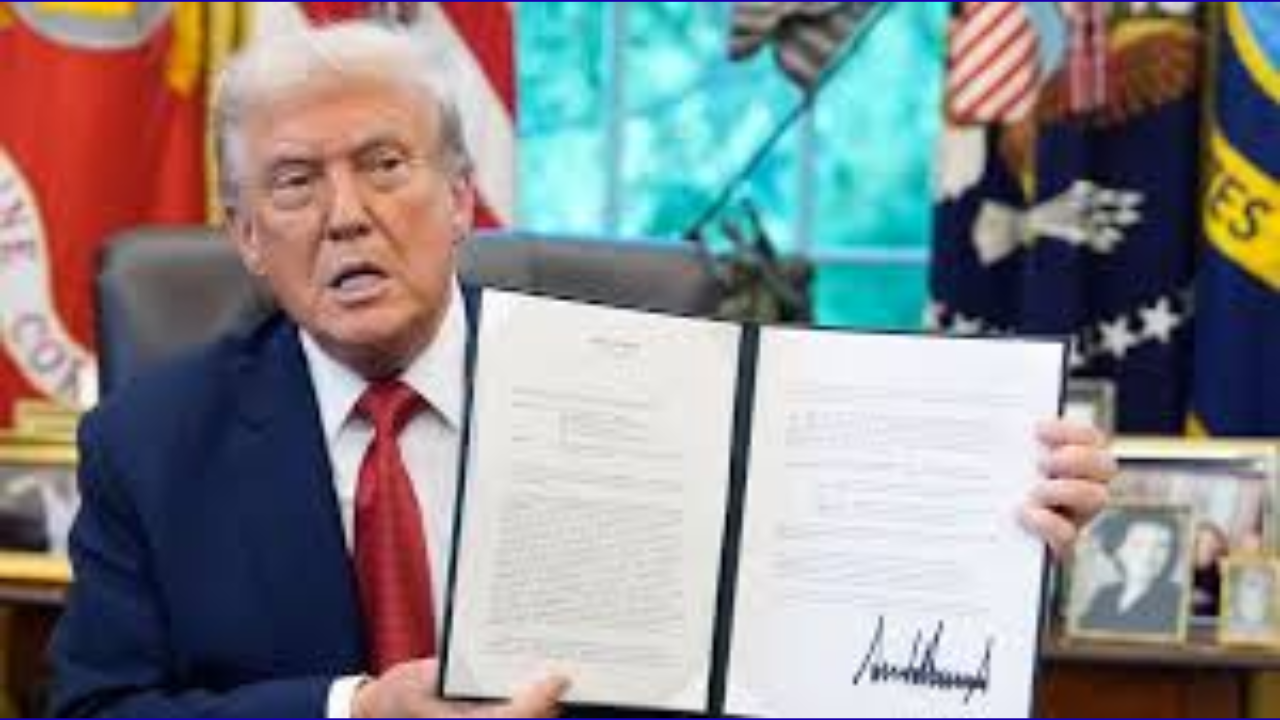
- The U.S. Position: President Trump claimed responsibility for the strike, characterizing the destruction of Iran’s largest bridge as a necessary measure to force Tehran toward diplomatic concessions.
Tehran’s “Target List”
- The UAE: Three primary targets in Abu Dhabi, including the Sheikh Zayed and Sheikh Khalifa bridges.
- Saudi Arabia & Bahrain: The King Fahd Causeway, the sole land link between the two nations, was named as a high-priority target.
- Kuwait: The Sheikh Jaber Al-Ahmad Al-Sabah Sea Bridge, one of the world’s longest maritime spans.
- Jordan: Multiple crossings, including the King Hussein (Allenby) Bridge, which serves as a critical link to the West Bank.
A Region on the Brink
This cycle of violence is the latest chapter in a conflict that erupted in late February 2026. With the former Supreme Leader, Ali Khamenei, deceased and Iran’s internal stability fractured by over 15,000 recorded airstrikes, the IRGC appears to be shifting toward asymmetric threats against global commerce.
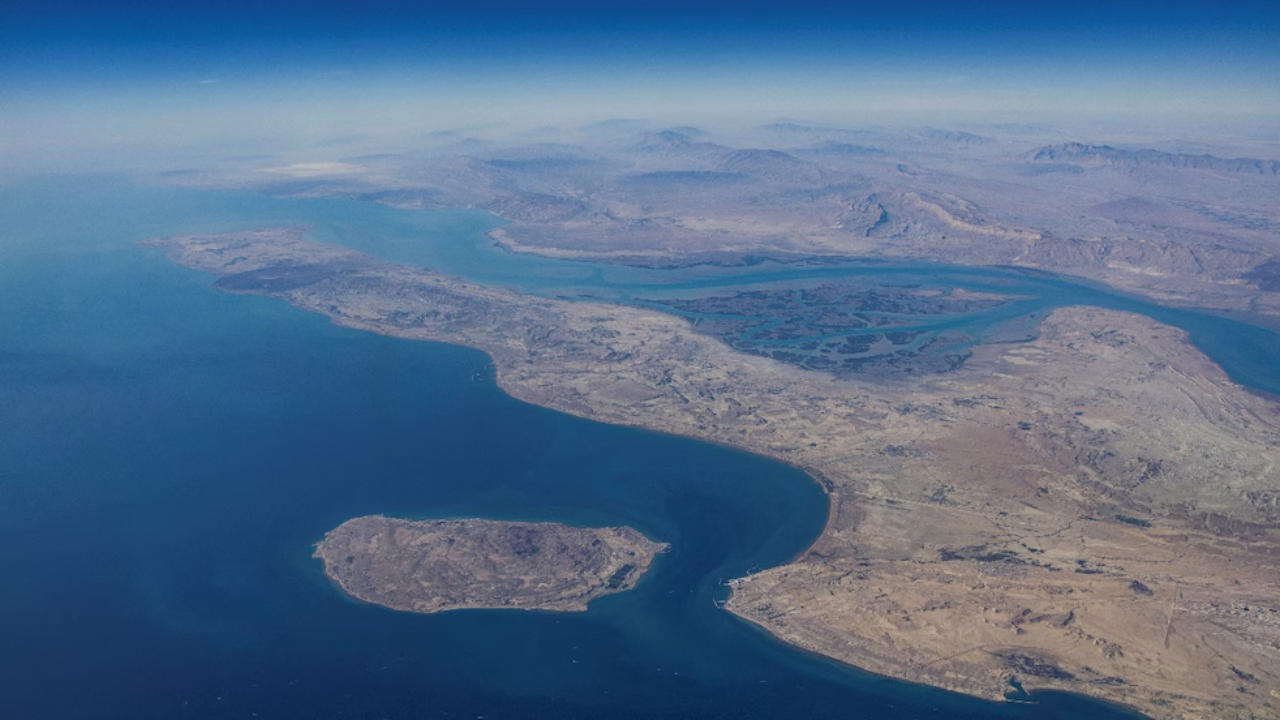
Security analysts warn that if Iran follows through on these threats, the conflict will transition from a bilateral war into a total regional crisis, potentially closing the Strait of Hormuz and crippling international energy markets.