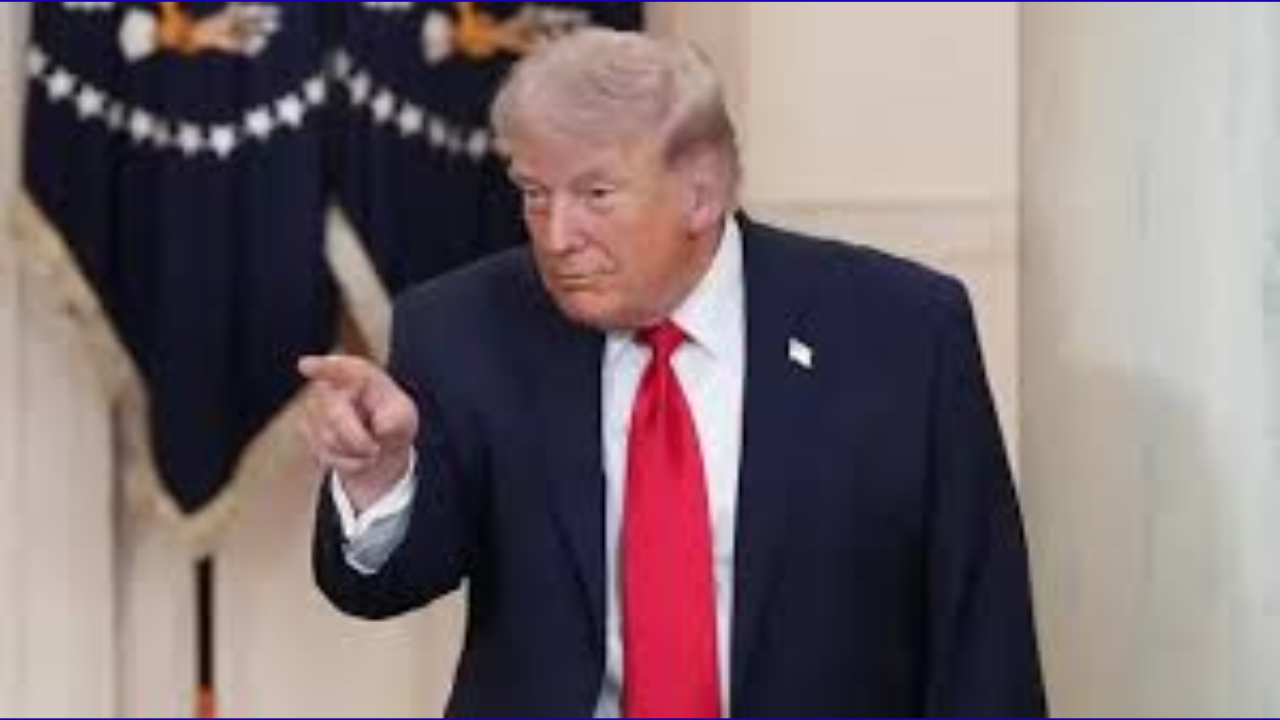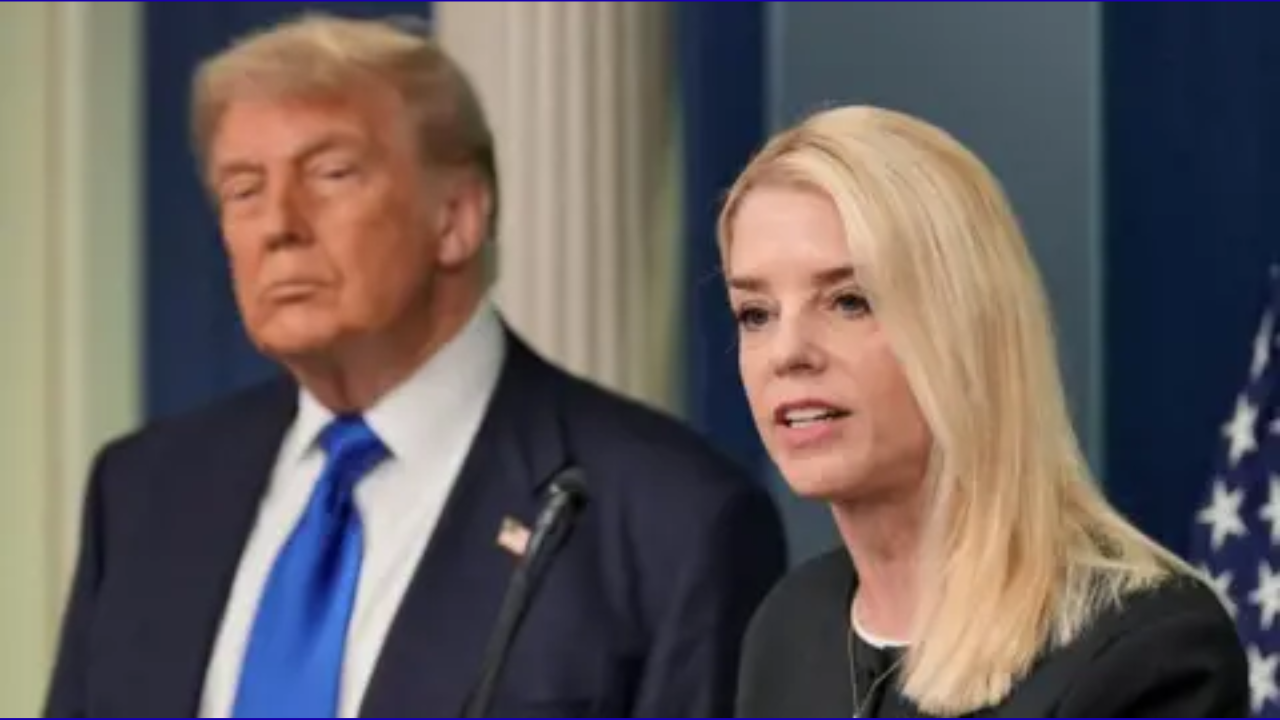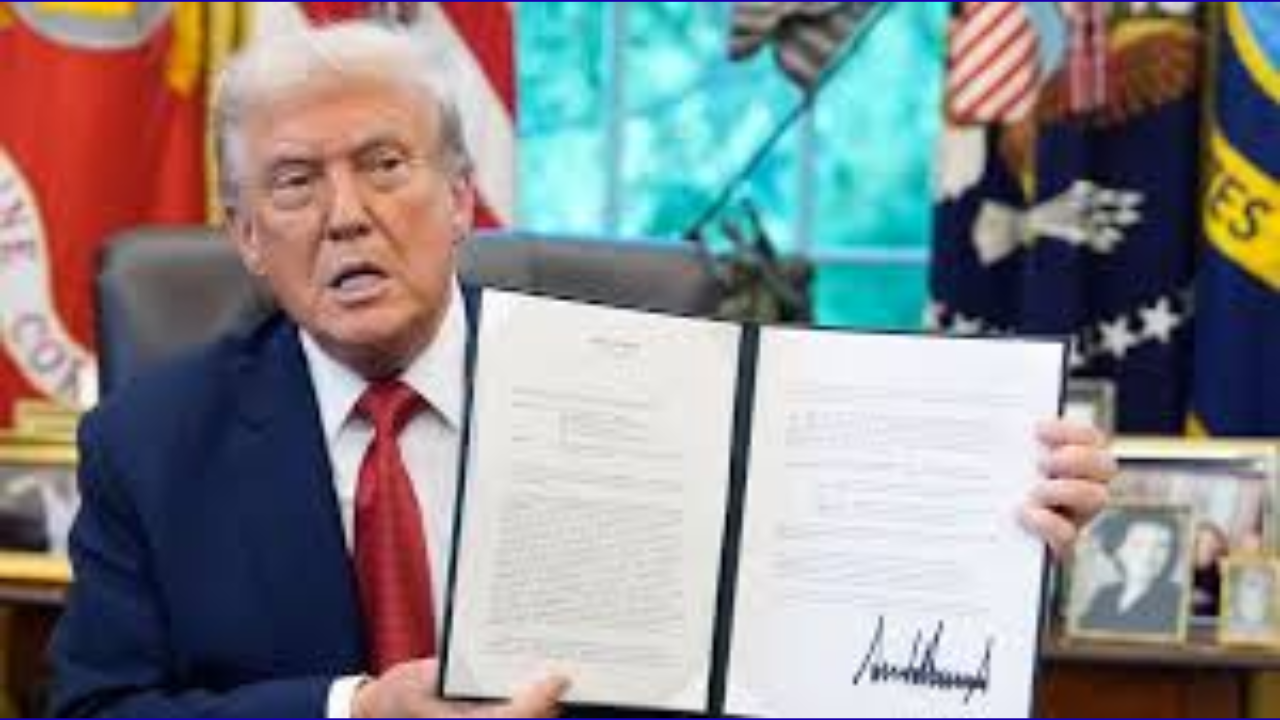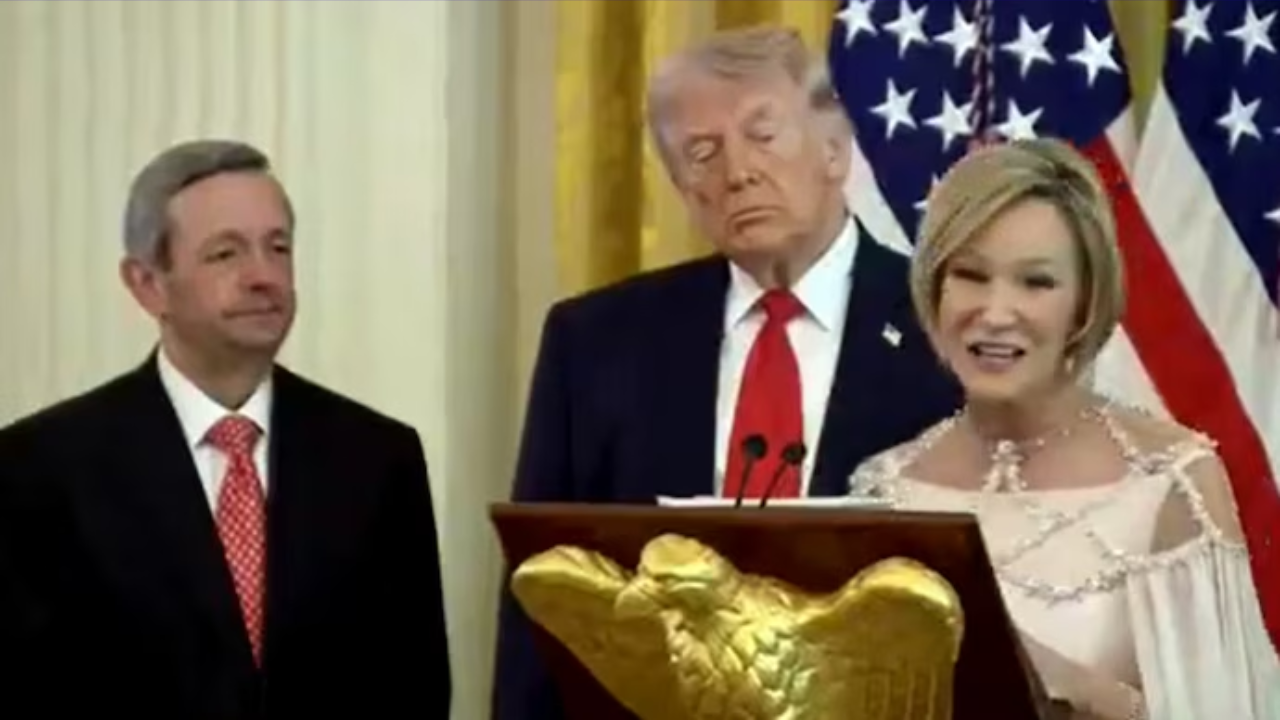
At a recent gathering of evangelical leaders at the White House, long-time spiritual advisor Pastor Paula White-Cain drew sharp parallels between President Trump and Jesus Christ. The remarks have ignited a fierce debate over the intersection of faith, politics, and the definition of blasphemy.
Thank you for reading this post, don't forget to subscribe!The Core Narrative
- The “Sacrifice”: She suggested that Trump has “paid the price” more than anyone else, referencing his legal battles and the 2024 assassination attempt as evidence of his personal toll.
- The Trial: Drawing a direct line between the two, she claimed both were “betrayed, arrested, and falsely accused,” suggesting a shared pattern of persecution.
- The “Rise”: She characterized Trump’s political persistence as a form of “rising up,” likening his resilience to the Resurrection.
Divided Perspectives
The speech has polarized the religious community, with reactions falling into two primary camps:
- The Critics: Many theologians and clergy members quickly condemned the rhetoric. Critics argue that equating any political figure—regardless of party—to a divine figure is theologically “blasphemous” and distorts the core message of the Gospel for political gain.
- The Supporters: Other prominent leaders, such as Franklin Graham, have historically defended this type of language. They often frame the President as a “chosen” leader for a “spiritual battle,” viewing his survival of various challenges as evidence of divine favor.
Context of the “King” Narrative
While the President himself has often leaned into the “King of Israel” or “Chosen One” rhetoric in the past (sometimes citing others’ words), this latest comparison focuses heavily on the theme of martyrdom. Whether viewed as a powerful spiritual endorsement or a dangerous religious overreach, the event highlights how deeply religious imagery remains woven into the current political landscape.