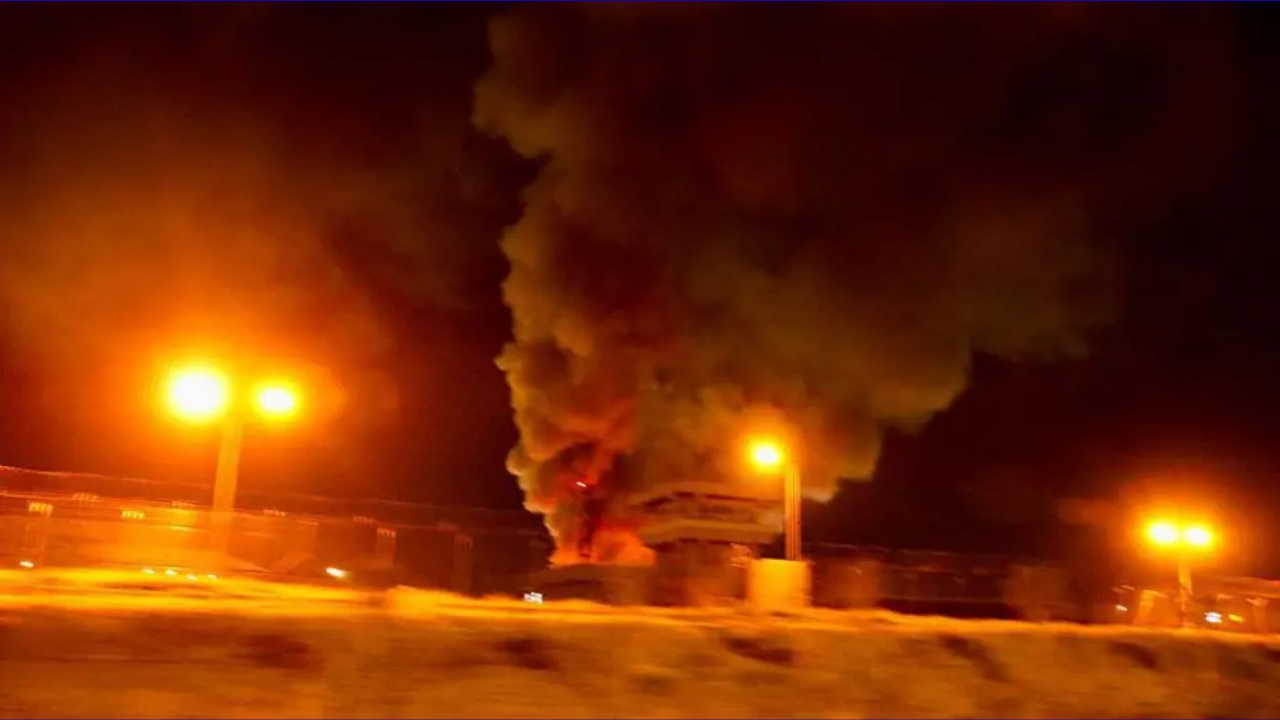
Global energy markets are on edge today as a renewed wave of maritime violence shattered a brief three-day lull. Four more commercial vessels have been targeted in and around the Strait of Hormuz, driving Brent Crude back to the psychologically critical $100-per-barrel threshold.
Thank you for reading this post, don't forget to subscribe!The Latest Strikes
The coordinated nature of the attacks suggests a deliberate escalation in the region.
- MT Safesea Vishnu: The most severe incident involved an explosive-laden drone boat striking this tanker near Basra. The attack resulted in the death of one Indian seafarer and the evacuation of 28 others.
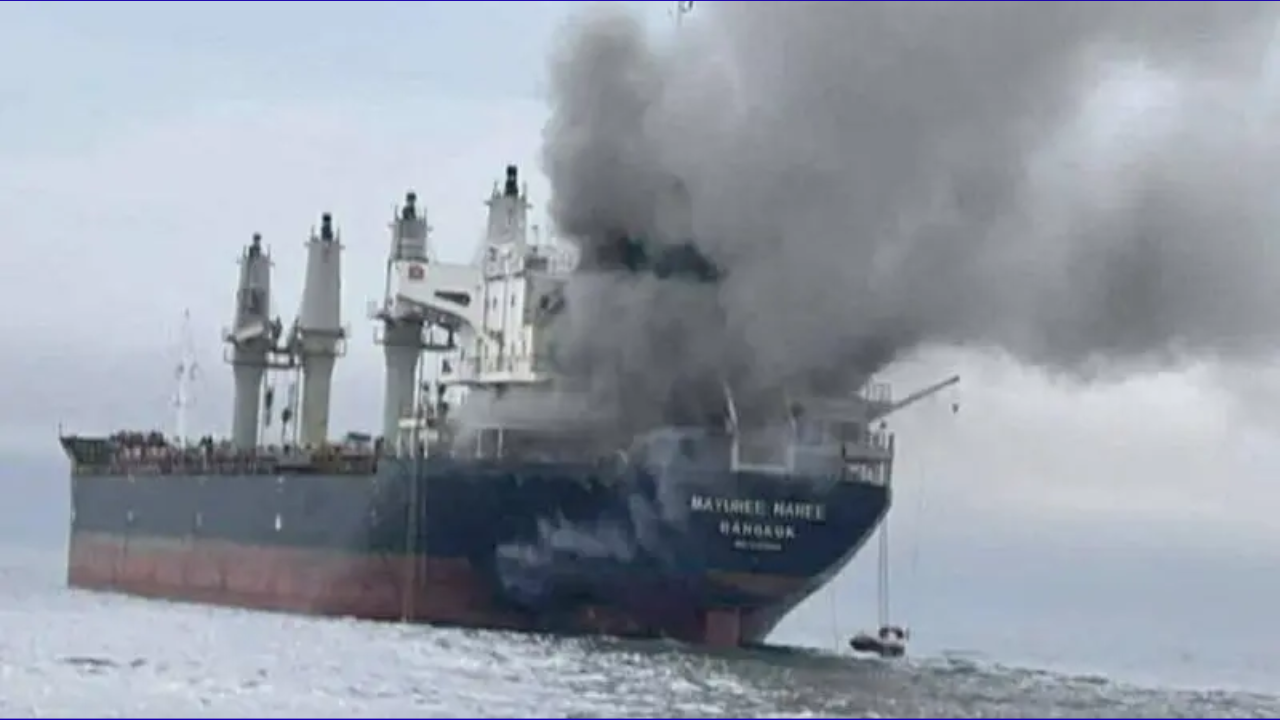
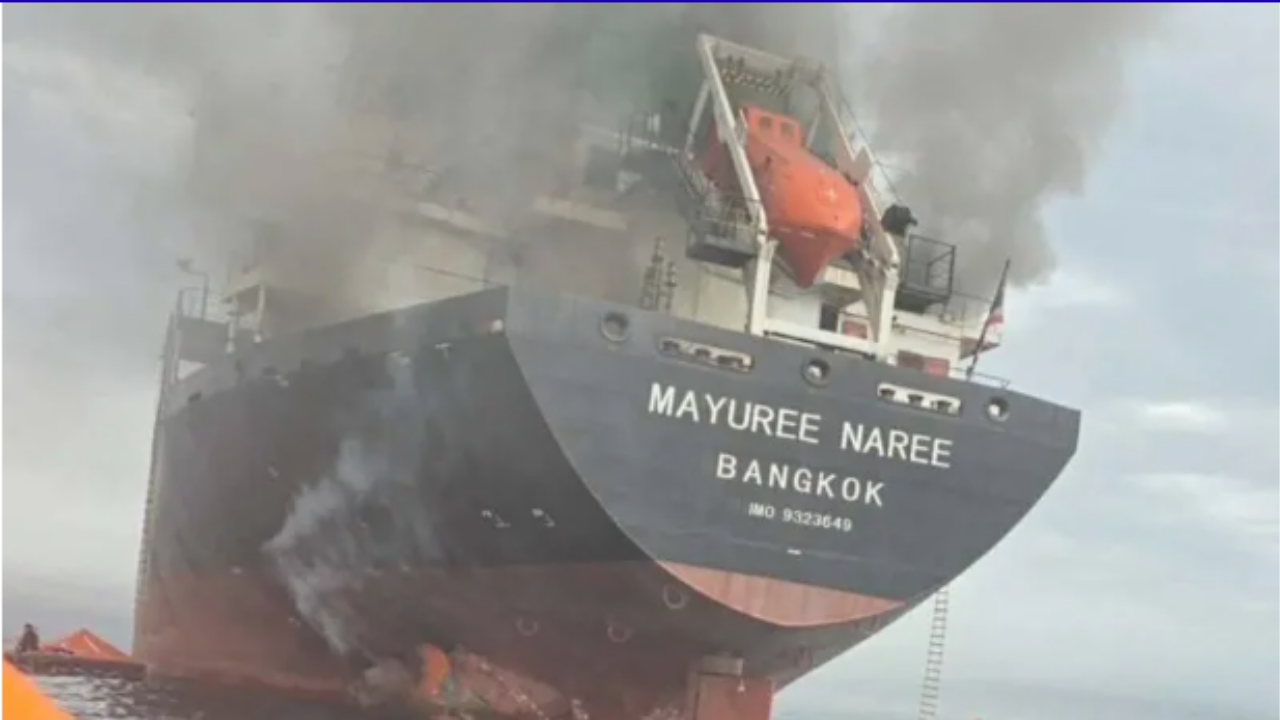
- Mayuree Naree: A Thai-flagged vessel is currently adrift following an engine room fire caused by projectile strikes. Search and rescue operations are ongoing for three missing crew members.
- One Majesty & Star Gwyneth: Both vessels sustained hull damage near the UAE coast but avoided major casualties, highlighting the vulnerability of ships even when anchored.
Market & Supply Chain Shock
The “Tanker War” of 2026 has effectively paralyzed one of the world’s most vital arteries.
- Vanishing Traffic: Transit through the Strait of Hormuz has collapsed from nearly 140 ships per day to just 7.
- Price Volatility: Despite a massive 400-million-barrel reserve release by the IEA, Brent Crude prices surged 9%, as traders fear the reserves won’t reach refineries fast enough to offset the Gulf’s blockade.
- Insurance Surge: “War risk” premiums for cargo heading to the Middle East have reached record highs, making many shipments economically unviable.
The Bottom Line: While the Strait of Hormuz remains technically open, it is functionally blocked by the threat of IRGC strikes. Until a naval escort system is established, the $100 oil era appears here to stay.