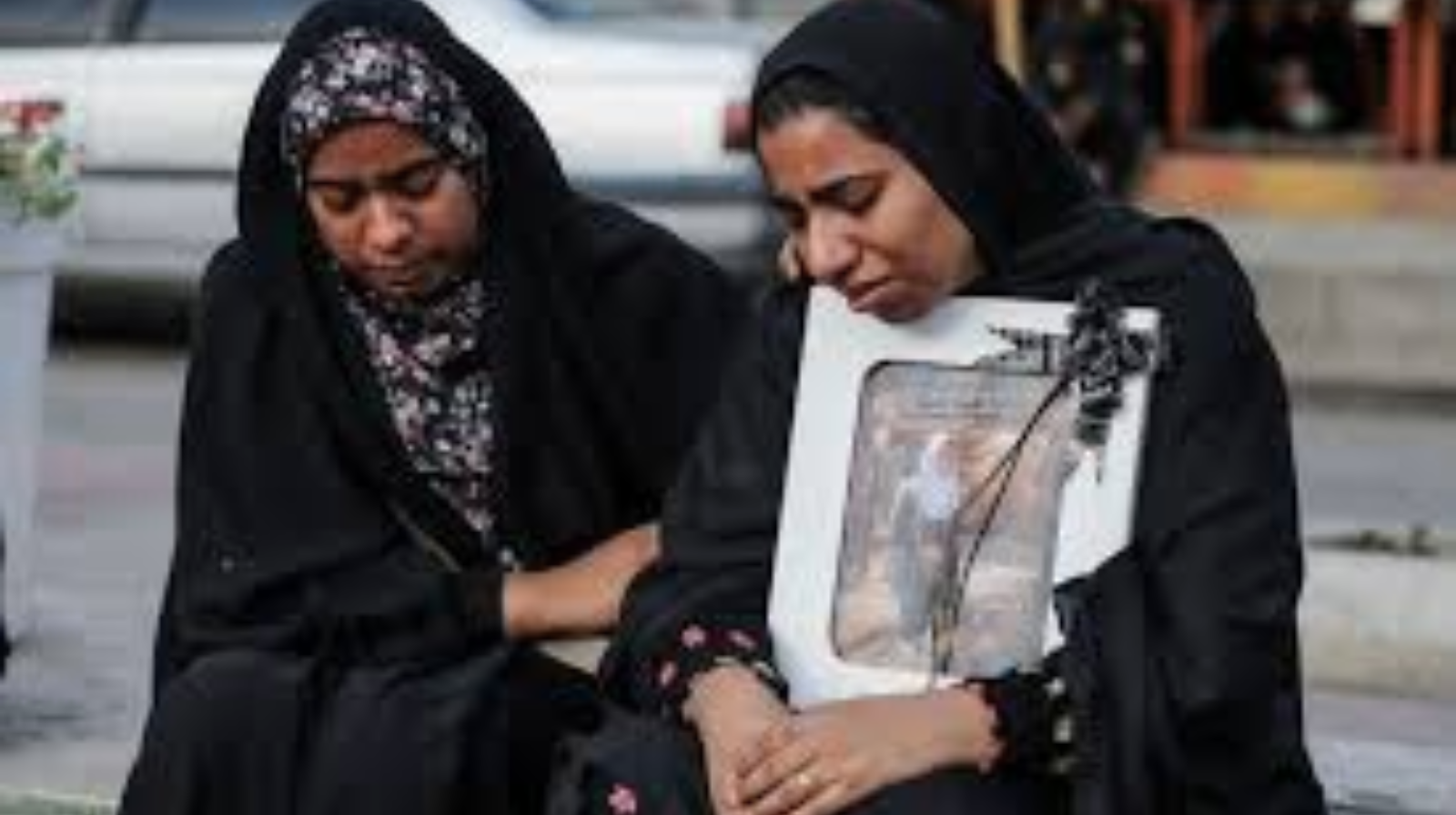
The United Nations agency for children, UNICEF, has issued a dire warning, stating that the escalating Middle East conflict has become “catastrophic for millions of children” across the region.
The Human Cost
Since the start of the joint US-Israeli strikes on Iran on February 28, the violence has taken a staggering toll. According to official UNICEF statements, over 1,100 children have been reported injured or killed.
The reported fatalities include:
- Iran: 200 children
- Lebanon: 91 children
- Israel: 4 children
- Kuwait: 1 child
A Plea for Protection
UNICEF’s statement emphasizes that there is no moral or strategic defense for the loss of young lives. “Nothing justifies the killing and maiming of children, or the destruction and disruption of essential services that children depend on,” the agency stated.
Beyond the immediate loss of life, the agency highlighted the collateral damage to infrastructure—such as schools and healthcare—that leaves surviving children in a state of extreme vulnerability.
Calls for Action
In alignment with UN Secretary-General António Guterres, UNICEF is demanding two primary actions from the involved parties:
- Immediate Diplomacy: An end to active combat in favor of diplomatic negotiations.
- Strategic Restraint: The avoidance of explosive weapons in populated areas, which disproportionately harm civilians and children.
The agency continues to urge all parties to take “all necessary precautions” in their methods of warfare to minimize the impact on the region’s most vulnerable population.

Suresh holds a Master of Commerce (M.Com) degree and is a dedicated personal finance researcher and writer. Combining his advanced academic background in commerce with deep industry research, he covers complex topics like taxation, banking systems, credit analysis, and personal finance strategies. As the founder of Tax Assistant (taxassistant.org), Suresh is committed to translating complicated financial guidelines and economic data into simple, accurate, and actionable educational resources for everyday readers.