Global energy markets are on edge today as a renewed wave of maritime violence shattered a brief three-day lull. Four more commercial vessels have been targeted in and around the Strait of Hormuz, driving Brent Crude back to the psychologically critical $100-per-barrel threshold.
The Latest Strikes
The coordinated nature of the attacks suggests a deliberate escalation in the region.
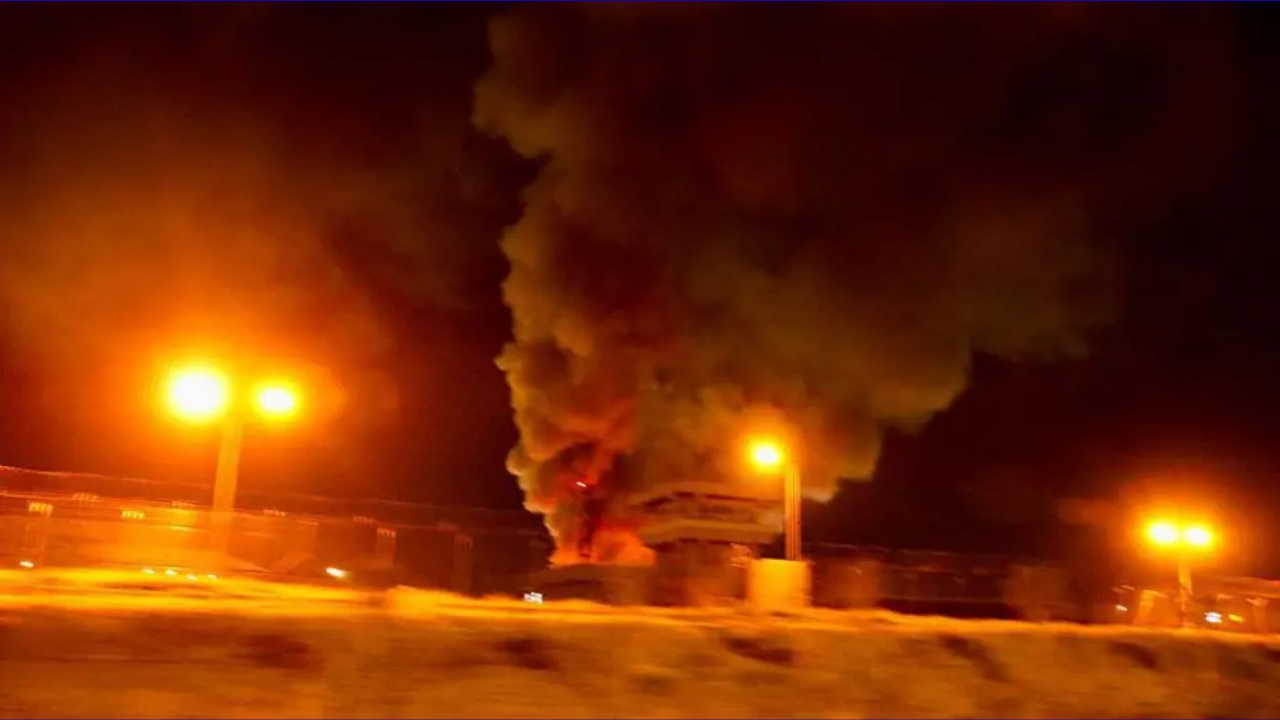
- MT Safesea Vishnu: The most severe incident involved an explosive-laden drone boat striking this tanker near Basra. The attack resulted in the death of one Indian seafarer and the evacuation of 28 others.
- Mayuree Naree: A Thai-flagged vessel is currently adrift following an engine room fire caused by projectile strikes. Search and rescue operations are ongoing for three missing crew members.
- One Majesty & Star Gwyneth: Both vessels sustained hull damage near the UAE coast but avoided major casualties, highlighting the vulnerability of ships even when anchored.
Market & Supply Chain Shock
The “Tanker War” of 2026 has effectively paralyzed one of the world’s most vital arteries.
- Vanishing Traffic: Transit through the Strait of Hormuz has collapsed from nearly 140 ships per day to just 7.
- Price Volatility: Despite a massive 400-million-barrel reserve release by the IEA, Brent Crude prices surged 9%, as traders fear the reserves won’t reach refineries fast enough to offset the Gulf’s blockade.
- Insurance Surge: “War risk” premiums for cargo heading to the Middle East have reached record highs, making many shipments economically unviable.
The Bottom Line: While the Strait of Hormuz remains technically open, it is functionally blocked by the threat of IRGC strikes. Until a naval escort system is established, the $100 oil era appears here to stay.

Suresh holds a Master of Commerce (M.Com) degree and is a dedicated personal finance researcher and writer. Combining his advanced academic background in commerce with deep industry research, he covers complex topics like taxation, banking systems, credit analysis, and personal finance strategies. As the founder of Tax Assistant (taxassistant.org), Suresh is committed to translating complicated financial guidelines and economic data into simple, accurate, and actionable educational resources for everyday readers.