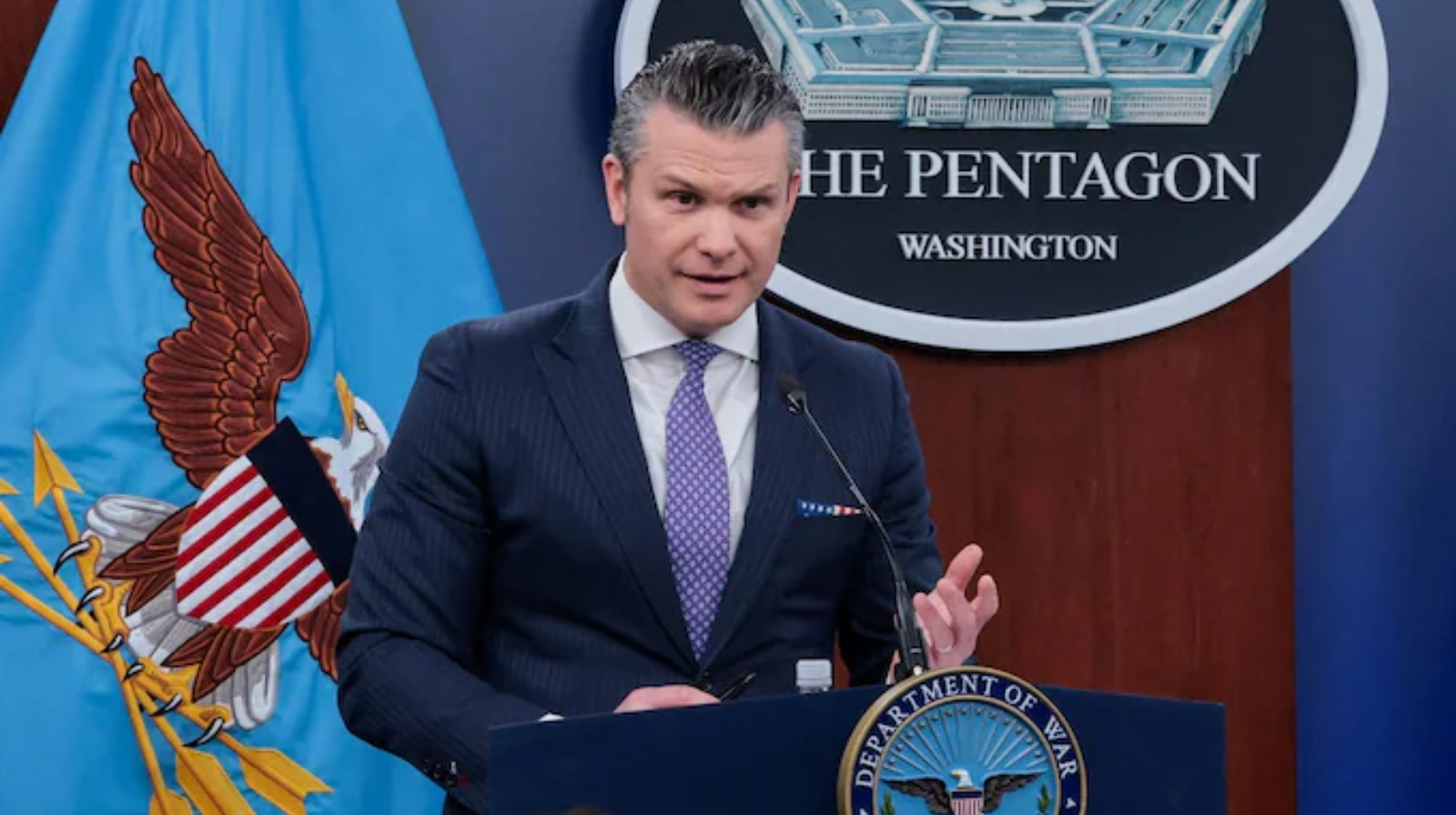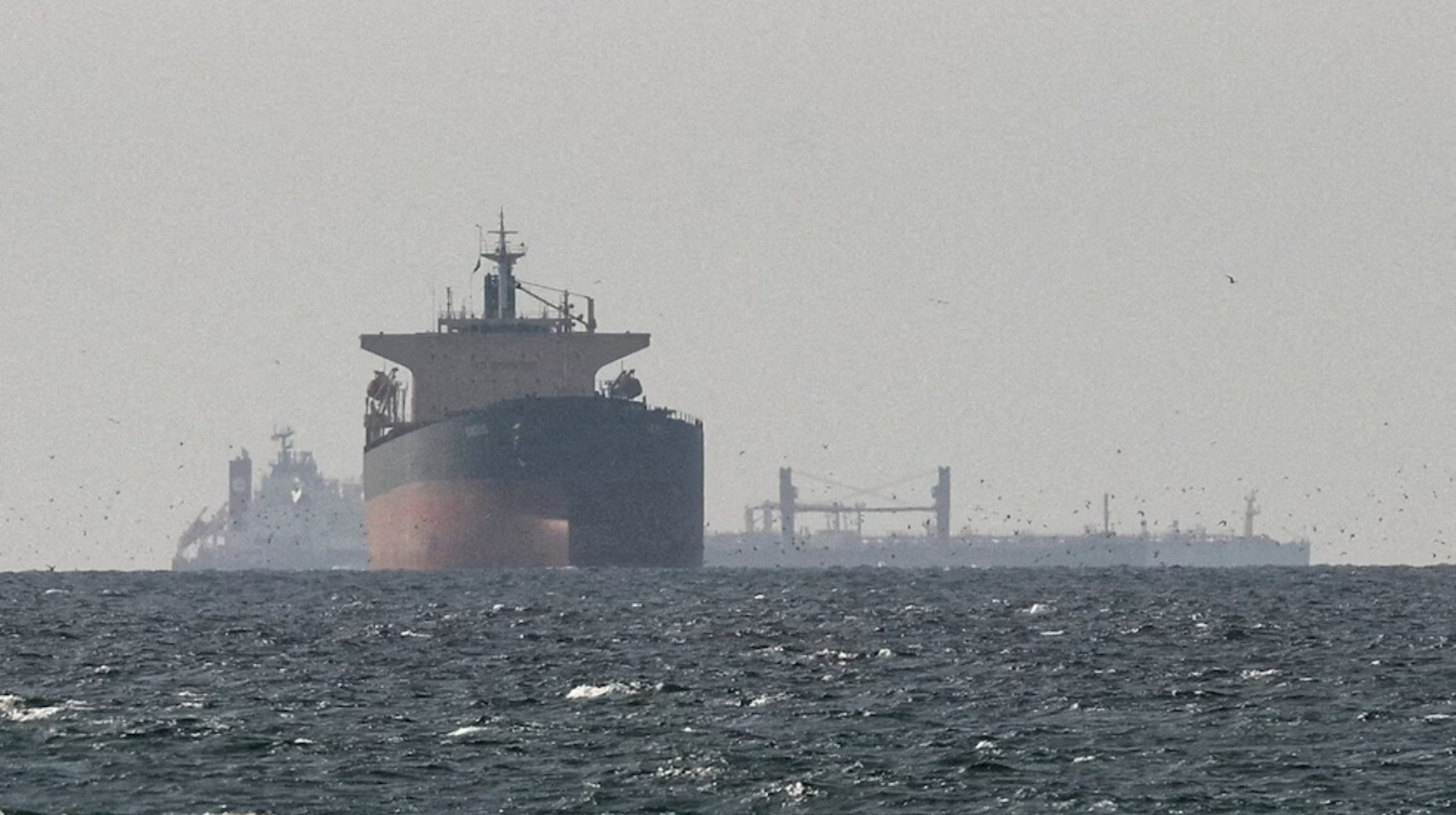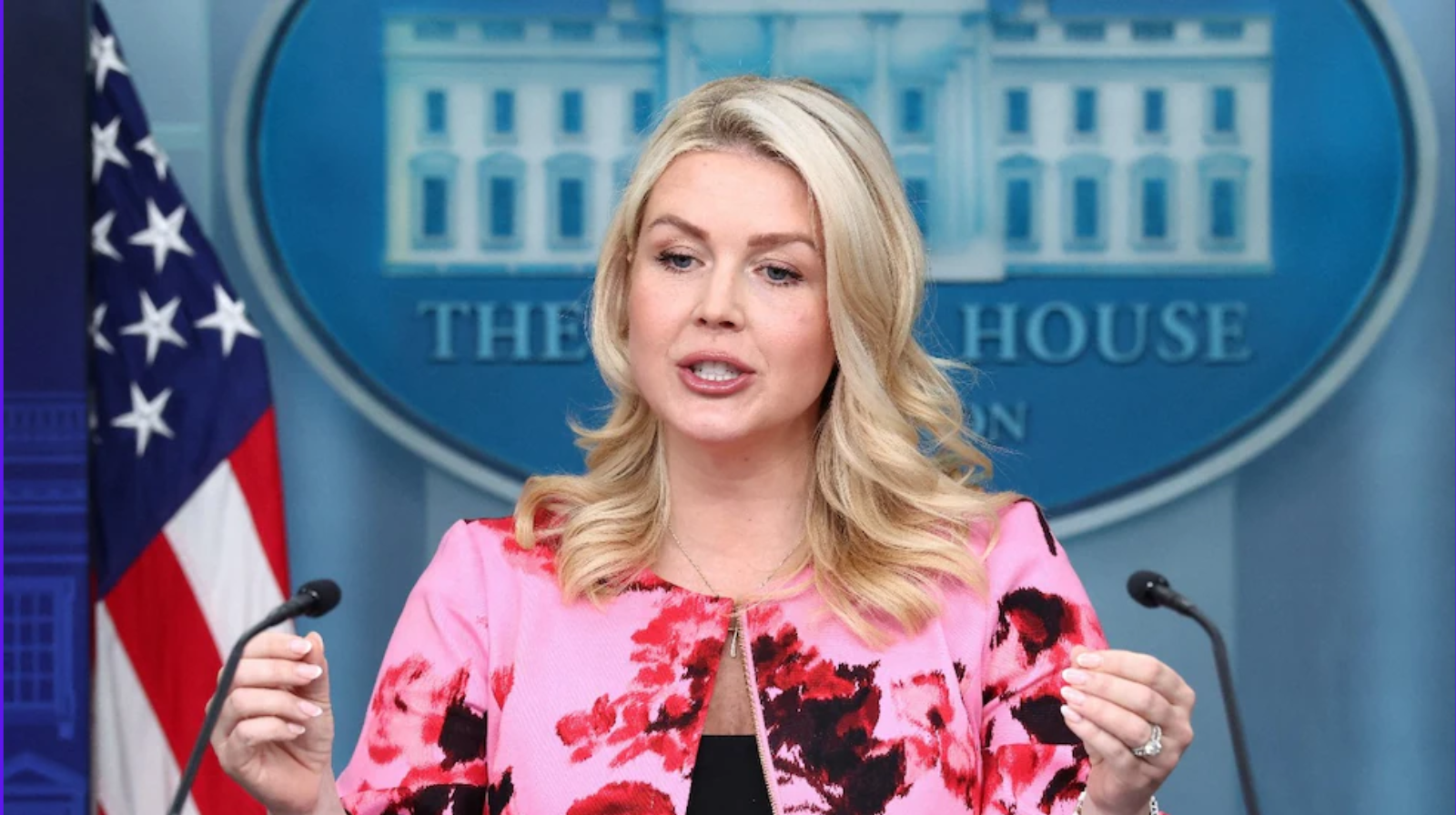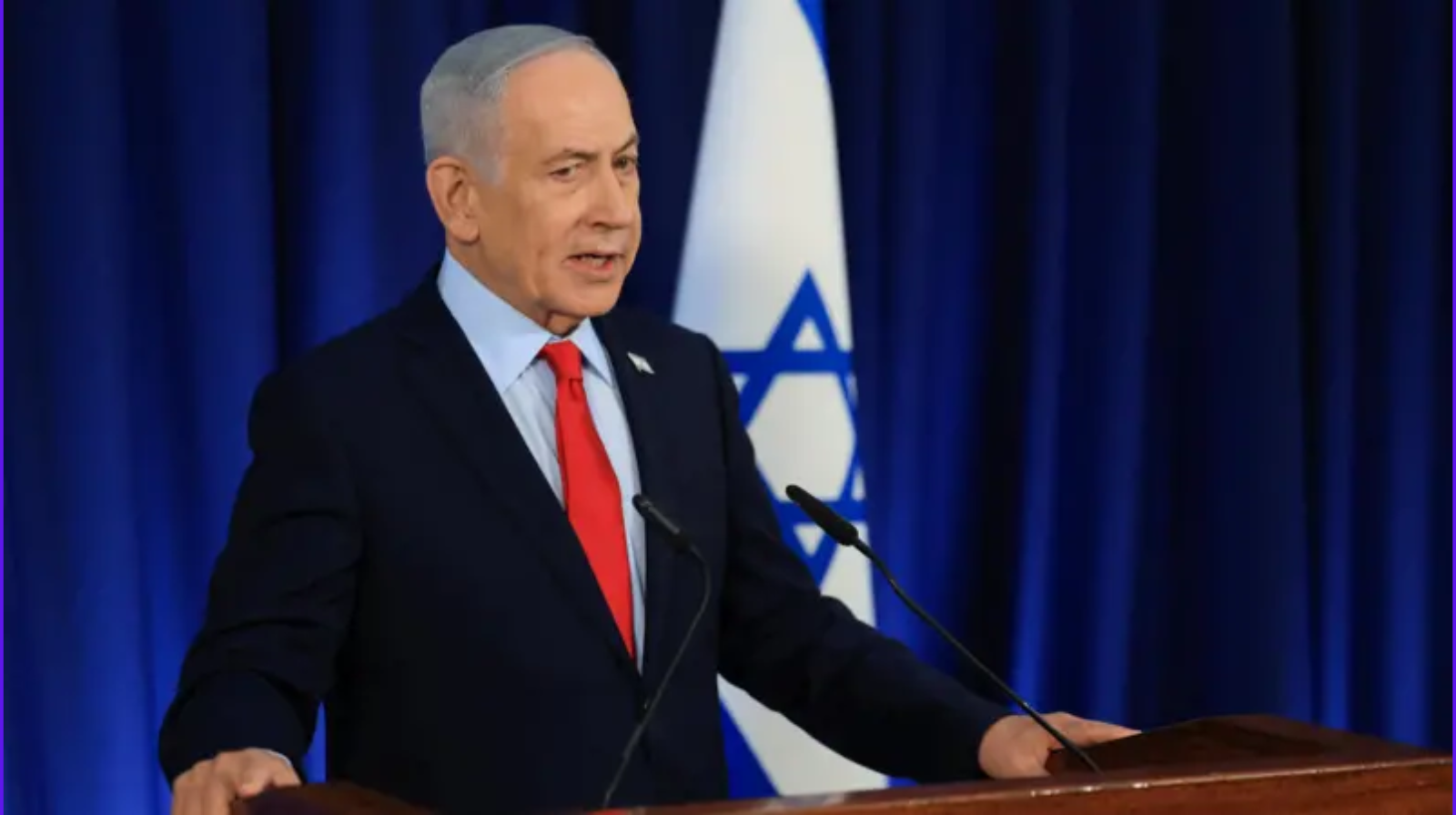
The White House has officially responded to reports that President Donald Trump is prepared to conclude the military campaign against Iran, even if the Strait of Hormuz—the world’s most vital oil transit point—remains largely obstructed.
Thank you for reading this post, don't forget to subscribe!Key Takeaways from the White House Position
- Inevitability of Reopening: Secretary Rubio asserted that the Strait of Hormuz will “reopen one way or another,” signaling that the U.S. does not view the current blockade as a permanent state of affairs.
- Sequential Objectives: The administration suggests that the U.S. will first focus on achieving its specific military and strategic goals. Once those are met, the focus will shift toward the status of the waterway.
- Global Accountability: Rubio warned that if Iran persists in blocking the strait post-conflict, they will face “real consequences.” Crucially, he emphasized that this pressure would come not just from the United States, but from regional partners and the international community.
Strategic Context
“They will have to face real consequences, not just from the United States, but from regional countries and from the world.” — Marco Rubio, US Secretary of State