the US government and a key senator to reform the H-1B visa program, emphasizing the prioritization of American workers. This effort is spearheaded by the new enforcement initiative, Project Firewall, and supported by planned legislation from Senator Tom Cotton.
Thank you for reading this post, don't forget to subscribe!US Ramps Up H-1B Crackdown to “Put American Workers First”
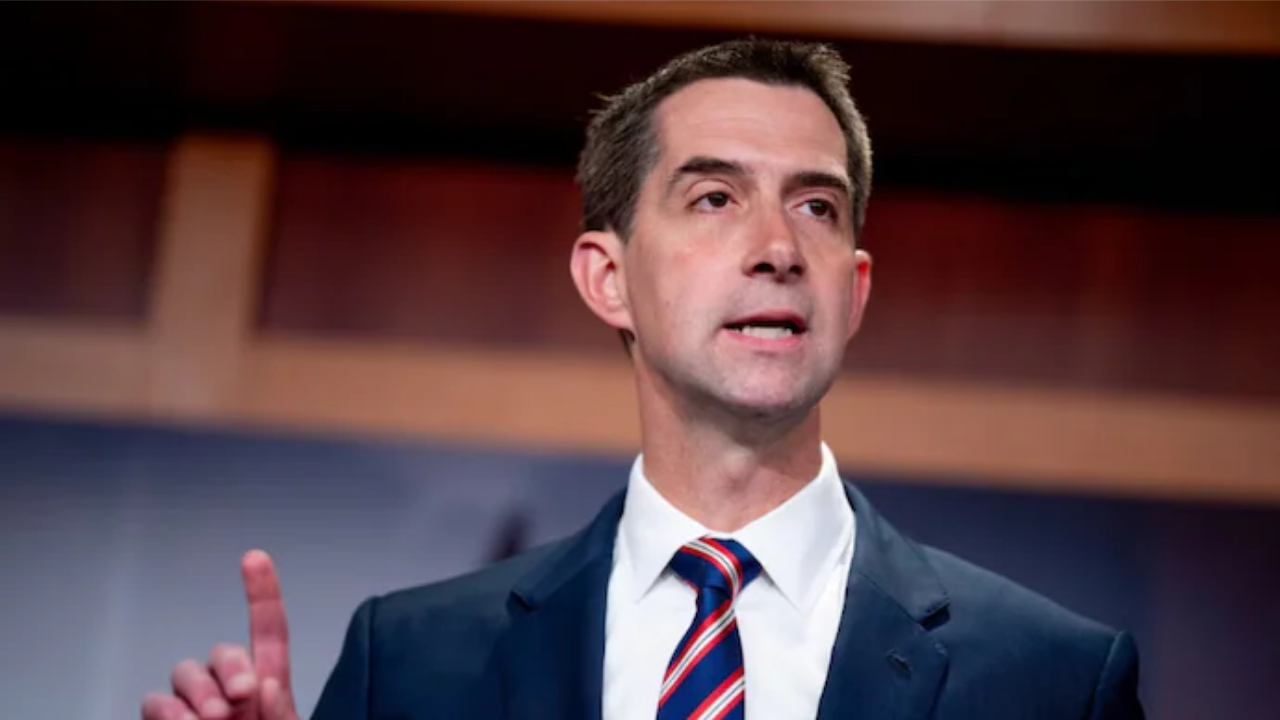
The US Department of Labour (DOL) has launched an aggressive new enforcement initiative called Project Firewall, aimed at rooting out fraud and abuse in the H-1B visa program. Simultaneously, Senator Tom Cotton (R-AR) is throwing his weight behind the effort, announcing plans to introduce two bills next week to further tighten oversight.
Senator Cotton stated on X, “President Trump and @SecretaryLCD are absolutely right that the H-1B program needs reforms… Next week I’m introducing two bills that will bring badly needed changes to this program and put American workers first.”
Project Firewall: Key Reforms
Described by Secretary Lori Chavez-DeRemer as one of the most aggressive oversight efforts in the program’s history, Project Firewall shifts enforcement to a more proactive model. The reforms include:
- Proactive Investigations: The Secretary of Labour will personally certify investigations into employers suspected of H-1B violations, moving beyond relying solely on complaints.
- Wage and Benefit Parity: Employers must pay H-1B workers at least the prevailing local wage or the same salary offered to similarly qualified US employees, and offer them equal benefits as US workers.
- Recruitment Proof: In some instances, companies must prove they made “good faith” efforts to recruit Americans before hiring foreign workers.
- Stiff Penalties: Violating employers face severe consequences, including payment of back wages, civil fines, or being banned from the program.
- Inter-agency Coordination: The DOL will partner with the Justice Department and other agencies to enhance enforcement against fraud and discrimination.
The Global Perspective
In response to the US shift, India’s External Affairs Minister, S. Jaishankar, emphasized that the current interconnected world requires a “global workforce,” which national demographics alone cannot supply.
Jaishankar warned that protectionist policies, immigration restrictions, and rising tariffs could complicate the necessary flow of global talent and trade, advocating instead for a more “acceptable, contemporary, efficient model of a global workforce.”