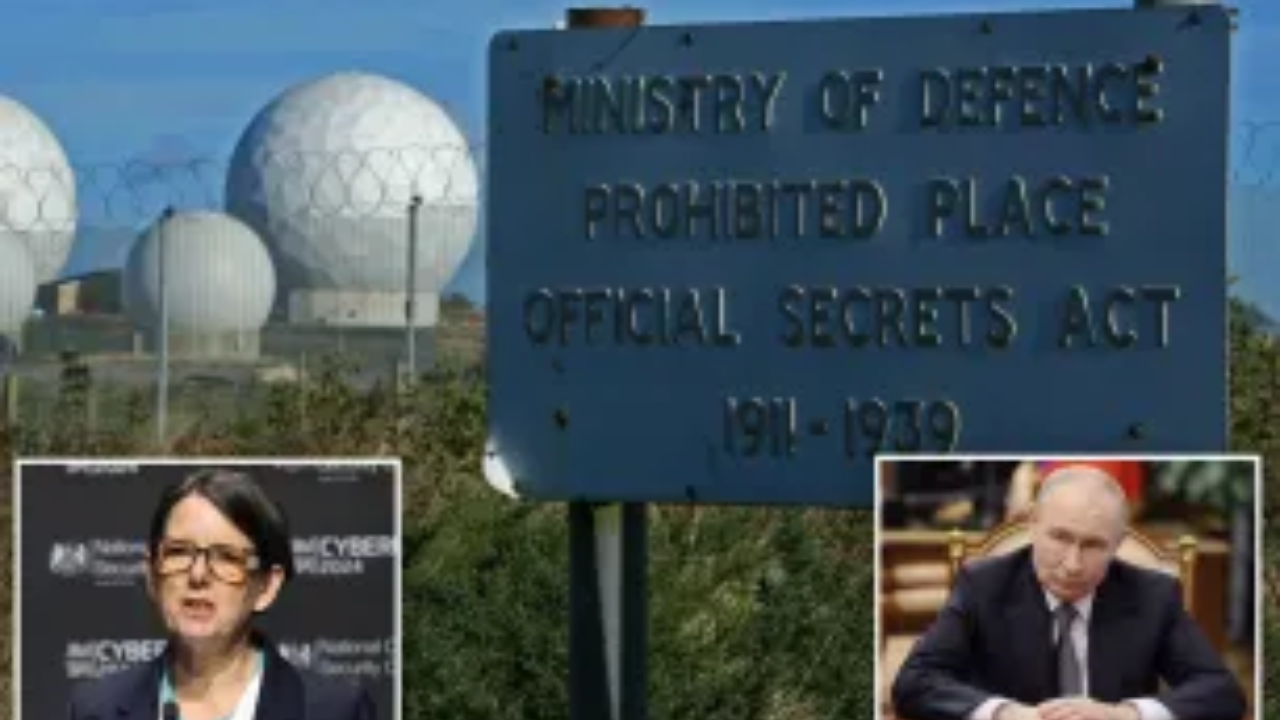
The threat in cyberspace has entered a dangerous new phase. Anne Keast-Butler, director of the UK’s intelligence agency GCHQ, has issued a stark warning from Bletchley Park: the UK and its allies are caught in a “new era of radical uncertainty,” operating in a digital “gray zone” that sits just below the threshold of open warfare.
The Kremlin’s Main Targets
Moscow’s cyber strategy has shifted from simple data espionage to active, systemic disruption across the UK and Europe:
- Critical Infrastructure: Relentless probing of essential services, supply chains, and power grids.
- Democratic Trust: Flooding digital spaces with aggressive disinformation campaigns designed to fracture public cohesion.
- Sanction Evasion: Utilizing specialized cryptocurrency platforms and shadow financial networks to illicitly acquire Western technology for the Russian war machine.
This digital aggression is increasingly bleeding into the physical world. Intelligence agencies point to a rising tide of reckless sabotage campaigns, including proxy firebomb plots targeting commercial logistics and a recent electronic attack that jammed the GPS signal on a British defense secretary’s aircraft.
A Narrowing Technological Window
The cyber challenge extends far beyond Russia. Intelligence chiefs emphasize that the rapid acceleration of Artificial Intelligence means Western allies have a closing window to maintain their edge against dominant science superpowers like China.
The Scale of the Threat: The UK’s National Cyber Security Centre (NCSC) is currently managing an average of four major state-sponsored cyber incidents every single week, primarily driven by Russia, China, and Iran.
The clear takeaway from intelligence leadership is that cybersecurity must become 10 times more urgent for corporate boardrooms and daily internet users alike—starting with an immediate transition away from vulnerable passwords and toward secure alternatives like passkeys.

Suresh holds a Master of Commerce (M.Com) degree and is a dedicated personal finance researcher and writer. Combining his advanced academic background in commerce with deep industry research, he covers complex topics like taxation, banking systems, credit analysis, and personal finance strategies. As the founder of Tax Assistant (taxassistant.org), Suresh is committed to translating complicated financial guidelines and economic data into simple, accurate, and actionable educational resources for everyday readers.