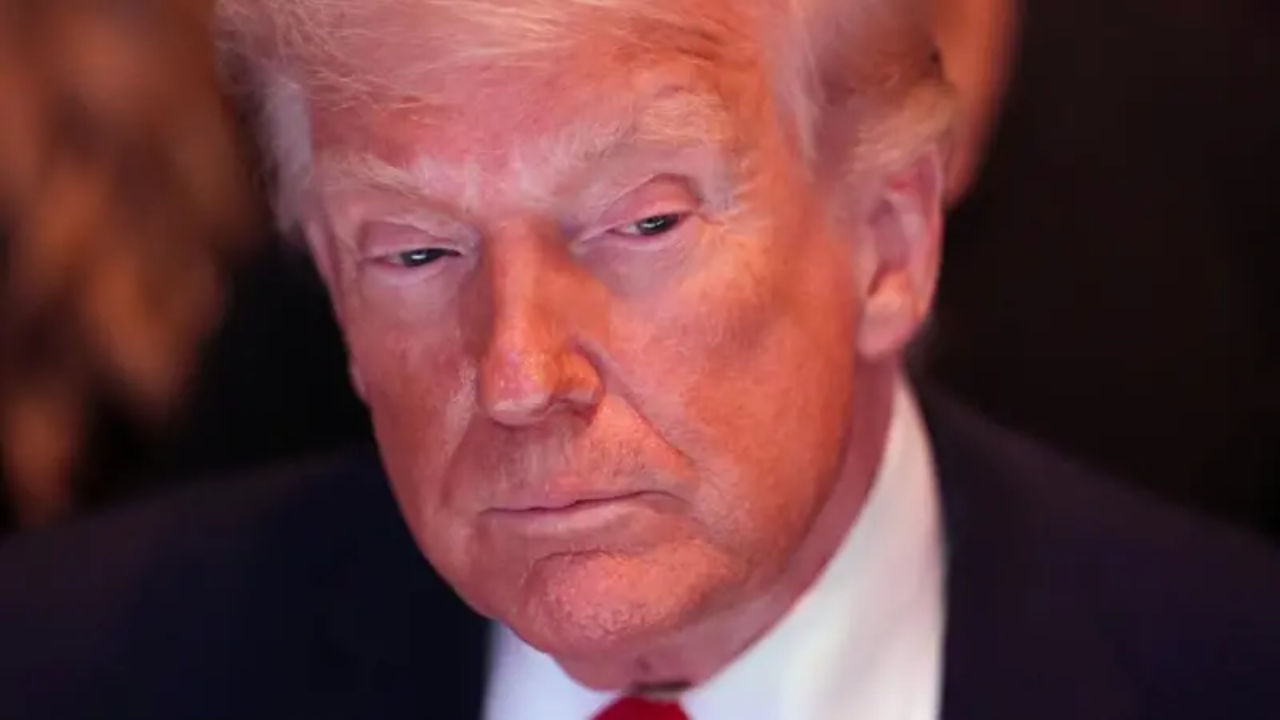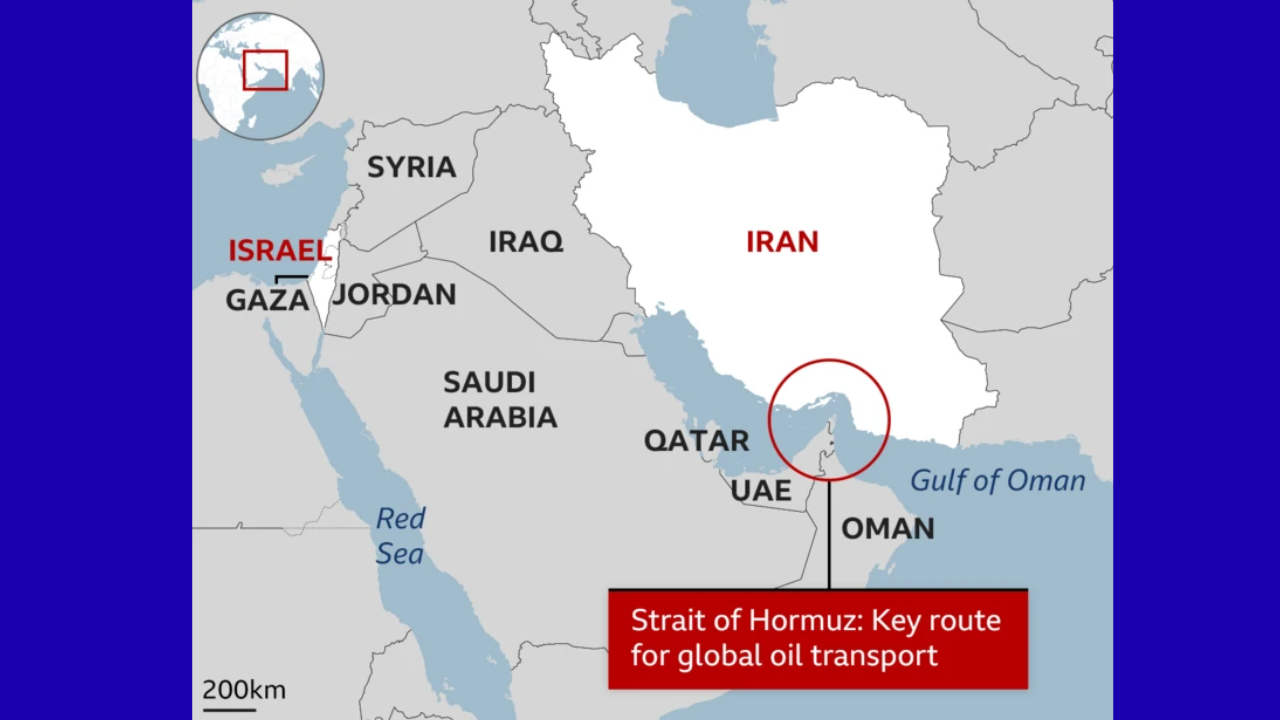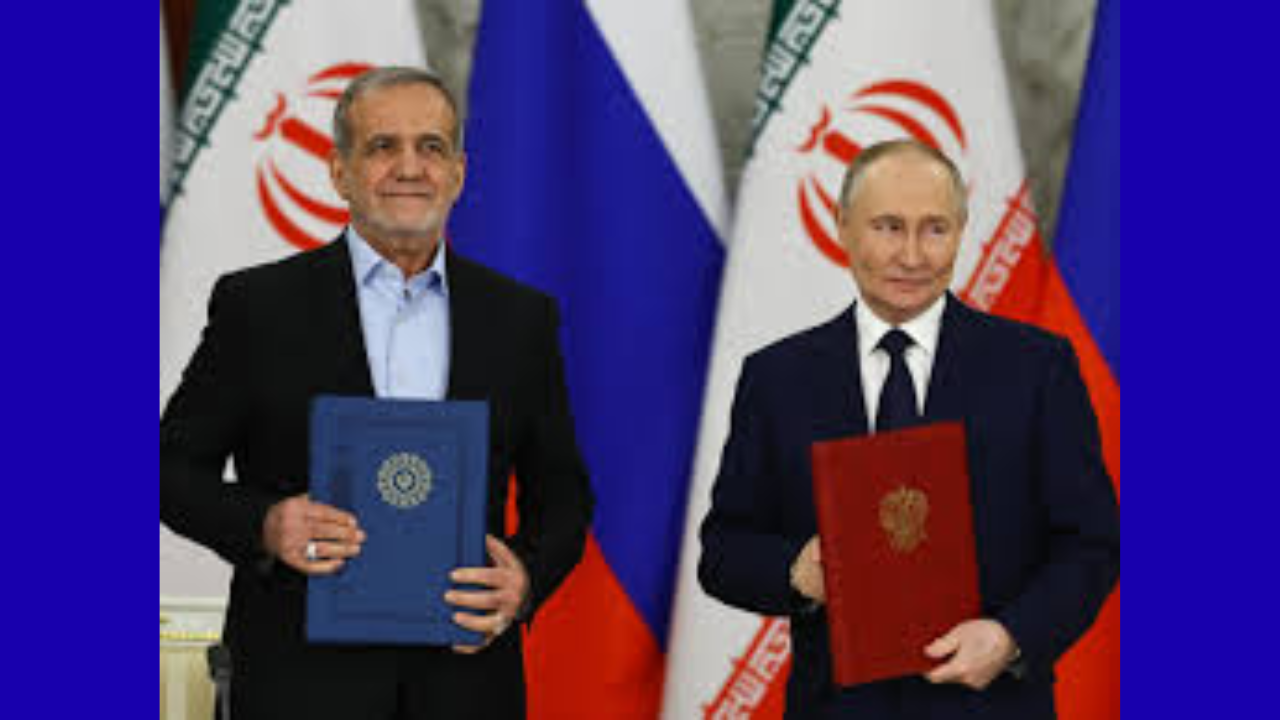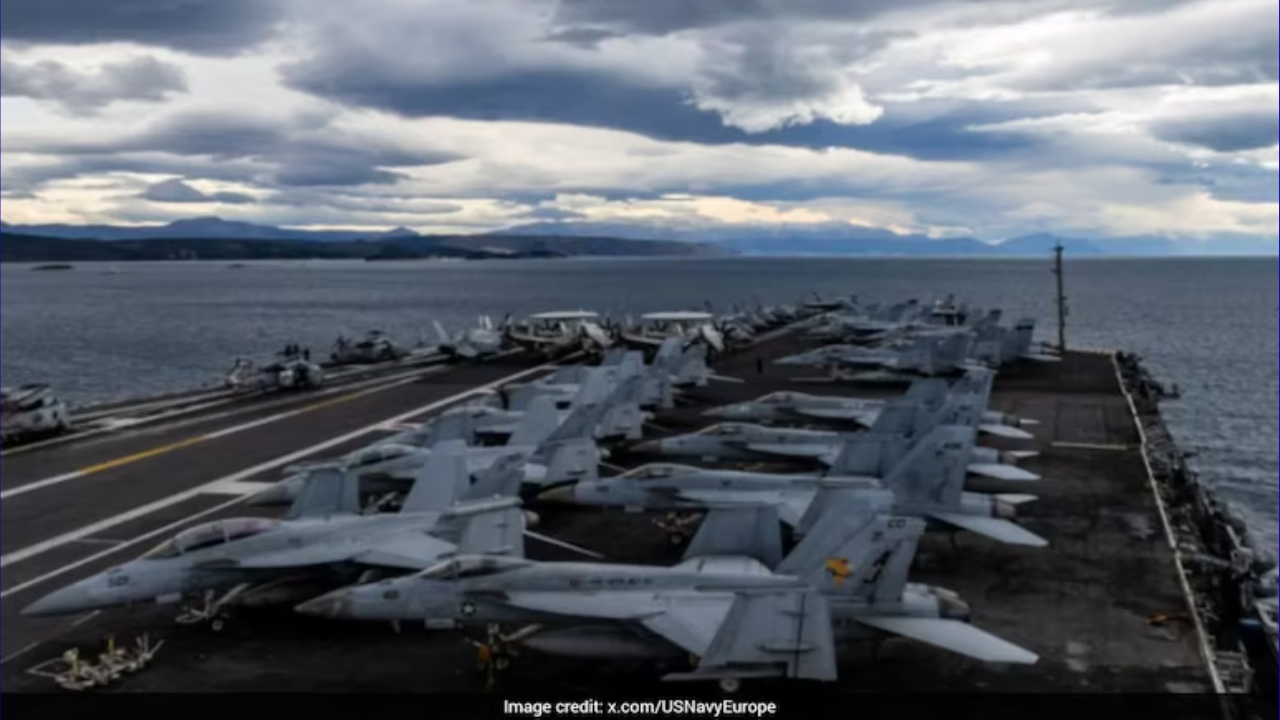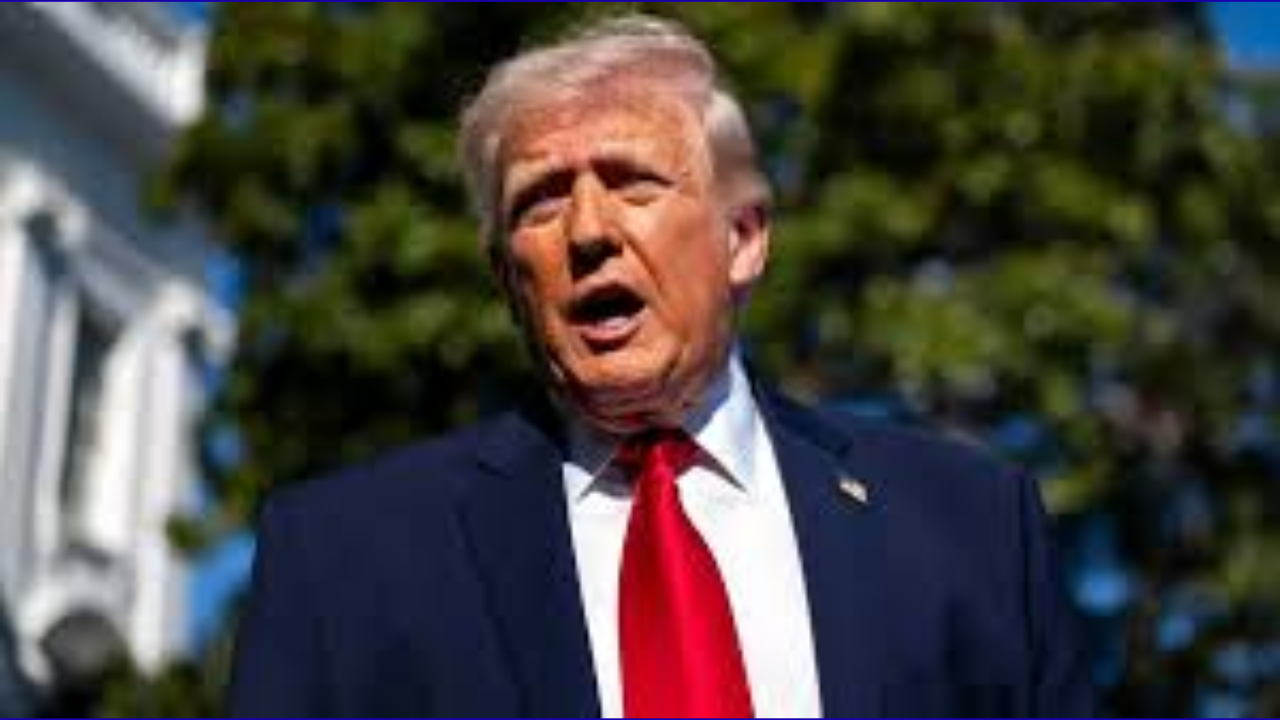
President Trump has announced a full-scale naval blockade of the Strait of Hormuz, signaling a major escalation in the conflict known as Operation Epic Fury. The move comes on the heels of collapsed diplomatic negotiations in Islamabad, where U.S. officials sought to curb Iran’s nuclear program.
Thank you for reading this post, don't forget to subscribe!The Decision to Blockade
- Total Interdiction: The U.S. Navy has been ordered to prevent all maritime traffic from entering or exiting the Strait until further notice.
- Toll Interference: U.S. forces will interdict any vessels found paying transit “tolls” to Iran, a practice the White House has declared illegal.
- Mine Clearance: Naval operations will focus on identifying and destroying sea mines allegedly deployed by Iranian forces in international shipping lanes.
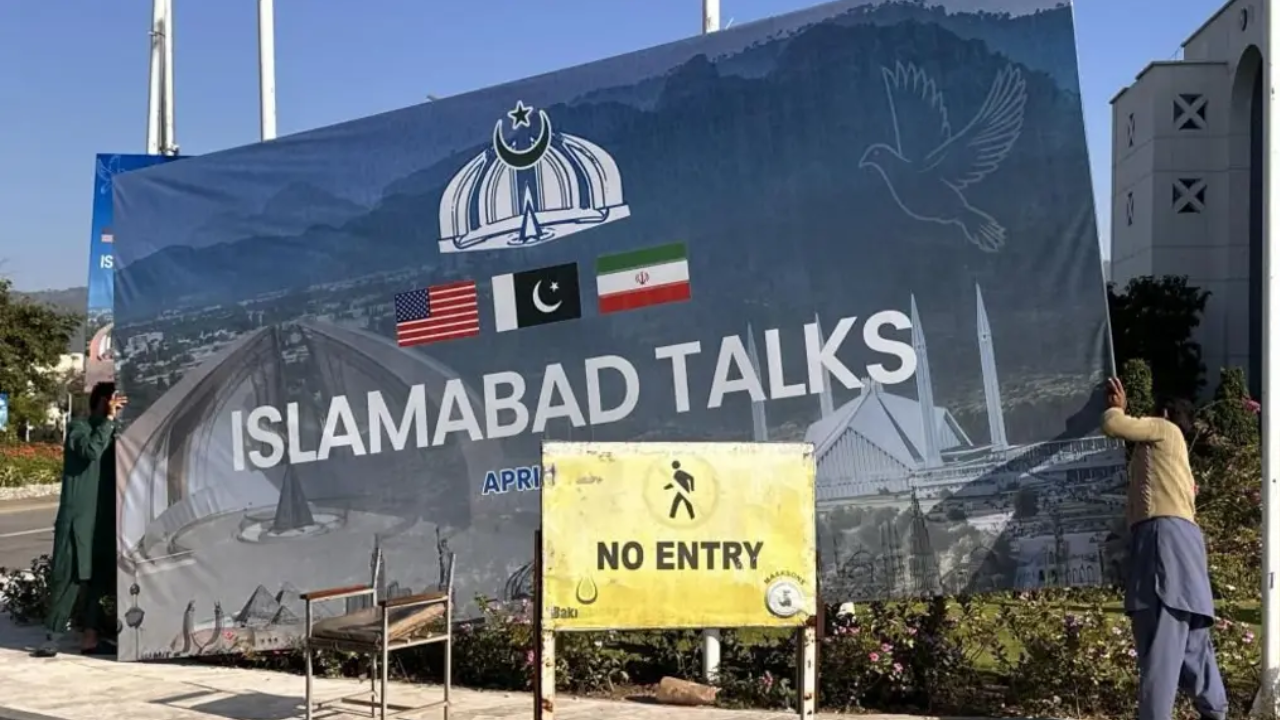
Diplomatic Failure in Islamabad
Vice President JD Vance, returning from high-stakes talks in Pakistan, cited Iran’s refusal to dismantle its nuclear infrastructure as the primary reason for the diplomatic stalemate.
Regional and Global Impact
The blockade targets one of the world’s most critical energy corridors, through which roughly 20% of global oil passes. This strategic maneuver carries significant risks:
- Energy Volatility: Markets are bracing for an immediate spike in crude oil prices as shipping routes are severed.
- Military Tension: President Trump issued a blunt warning via social media, stating that any Iranian interference with U.S. vessels would result in immediate, overwhelming force.
- Iranian Counter-Warnings: The IRGC has claimed continued control over the waterway, warning that any U.S. “miscalculation” would lead to a catastrophic confrontation in the region.
The U.S. remains firm in its stated goals: the neutralization of Iran’s naval and missile capabilities and the total cessation of its nuclear ambitions.