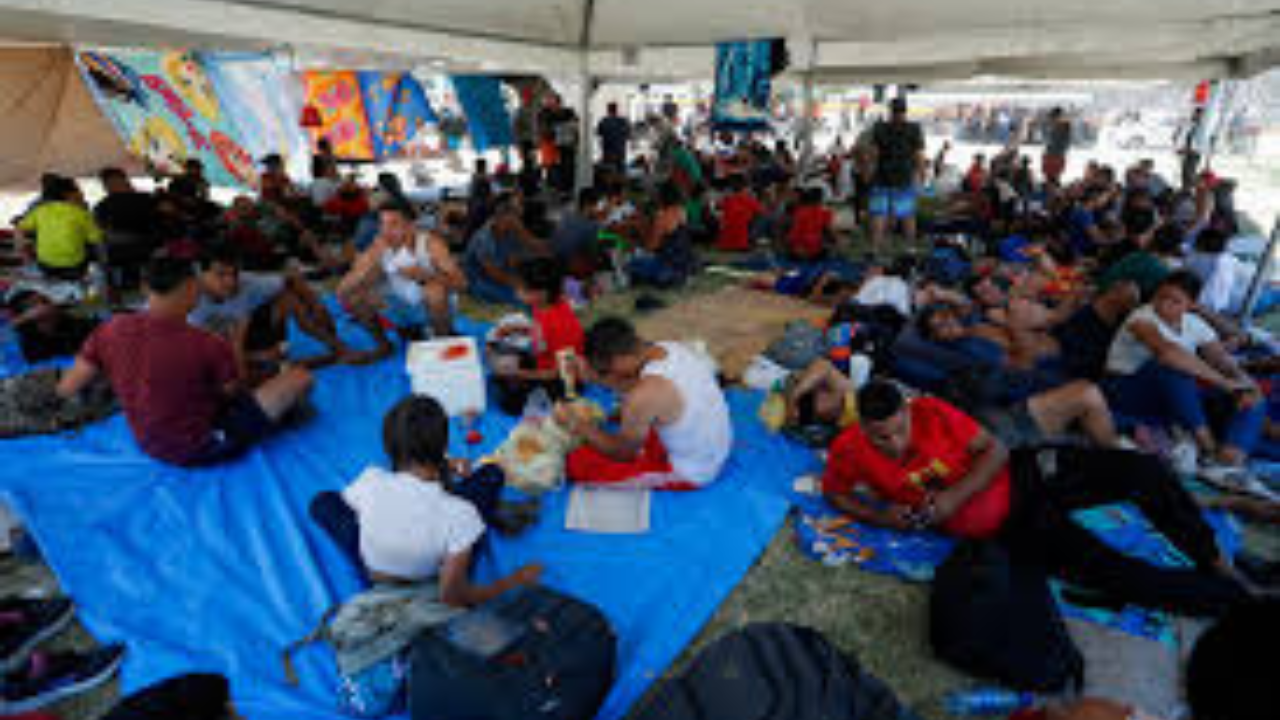
In a significant shift for regional migration policy, the United States has secured agreements with Dominica and Antigua and Barbuda to host asylum seekers. Finalized on January 5, 2026, these deals extend the U.S. strategy of processing migrants in “third countries” rather than on American soil.
A “Carrot and Stick” Diplomacy
- Dominica: Prime Minister Roosevelt Skerrit framed the deal as a necessary collaboration to restore visa privileges for his citizens.
- Antigua and Barbuda: Signed a memorandum focusing on “shared responsibility,” though officials were quick to clarify that they would only accept individuals vetted for clean criminal records.
Strategic Objectives
The Trump administration is using these deals to achieve two goals simultaneously:
- Outsourcing Asylum: Reducing the number of migrants entering the U.S. border by sending them to Caribbean partners for processing.
- National Security: Pressuring Caribbean nations to reform their “Citizenship by Investment” (Golden Passport) programs, which the U.S. argues create security loopholes.
Rising Local Opposition
The deals have sparked immediate debate within the islands. Critics in Dominica, a nation of only 72,000 people, are questioning the logistical capacity of a small island to provide housing, healthcare, and legal processing for a sudden influx of foreign nationals.

Suresh holds a Master of Commerce (M.Com) degree and is a dedicated personal finance researcher and writer. Combining his advanced academic background in commerce with deep industry research, he covers complex topics like taxation, banking systems, credit analysis, and personal finance strategies. As the founder of Tax Assistant (taxassistant.org), Suresh is committed to translating complicated financial guidelines and economic data into simple, accurate, and actionable educational resources for everyday readers.














Comments are closed.