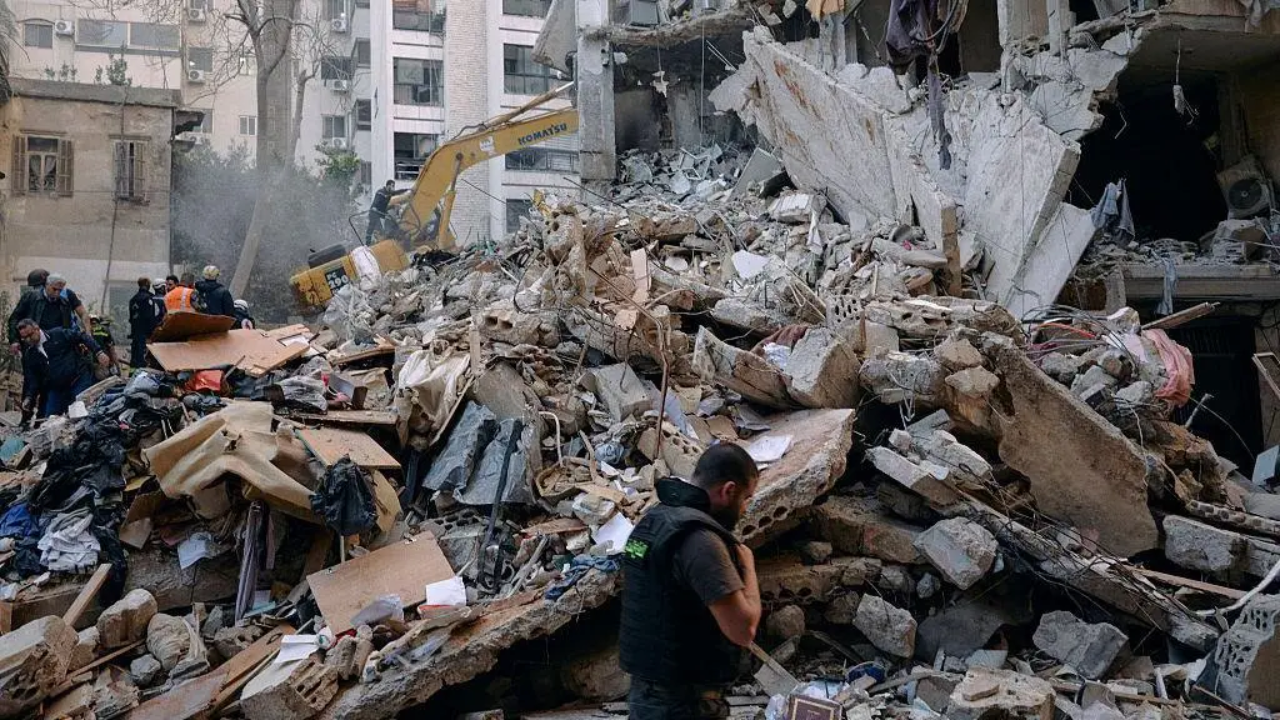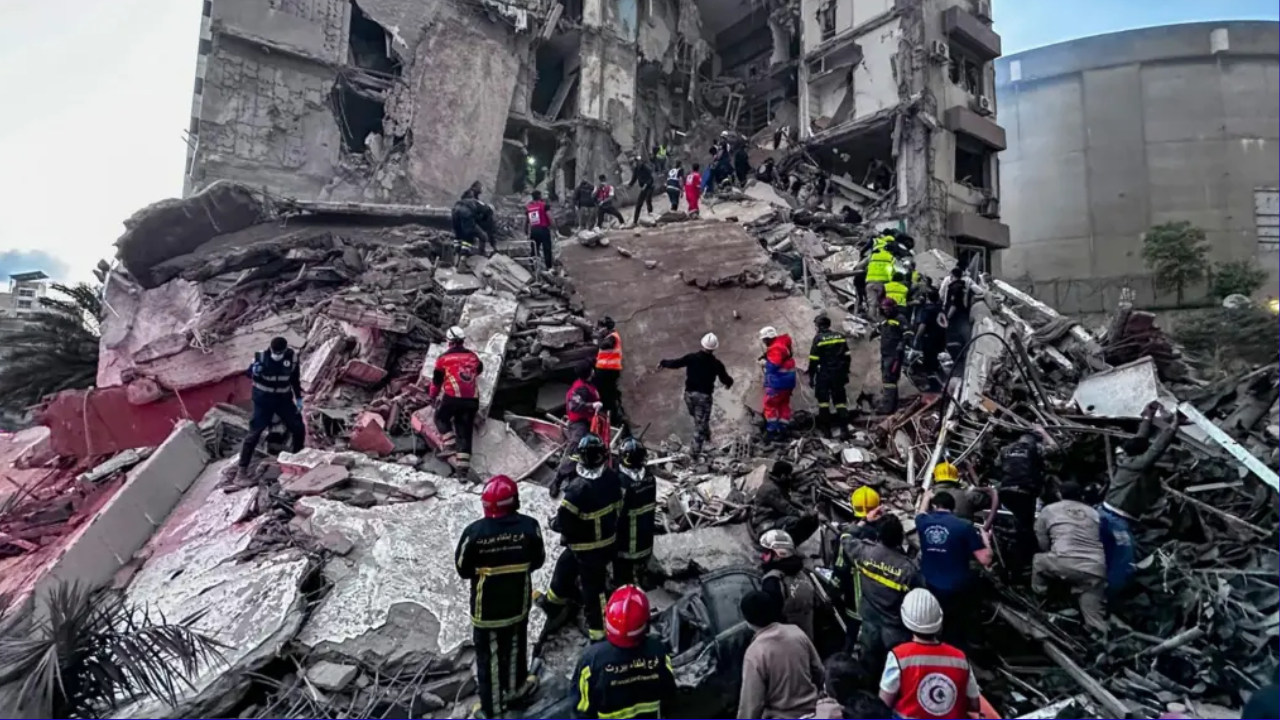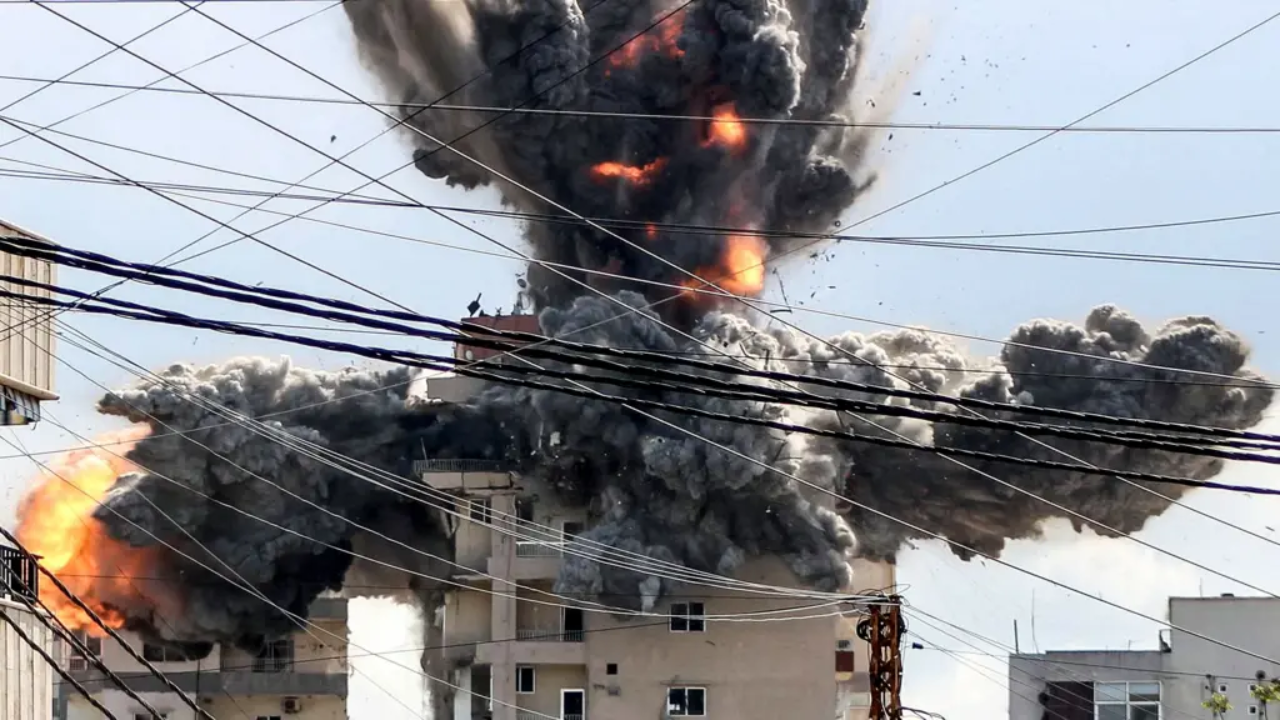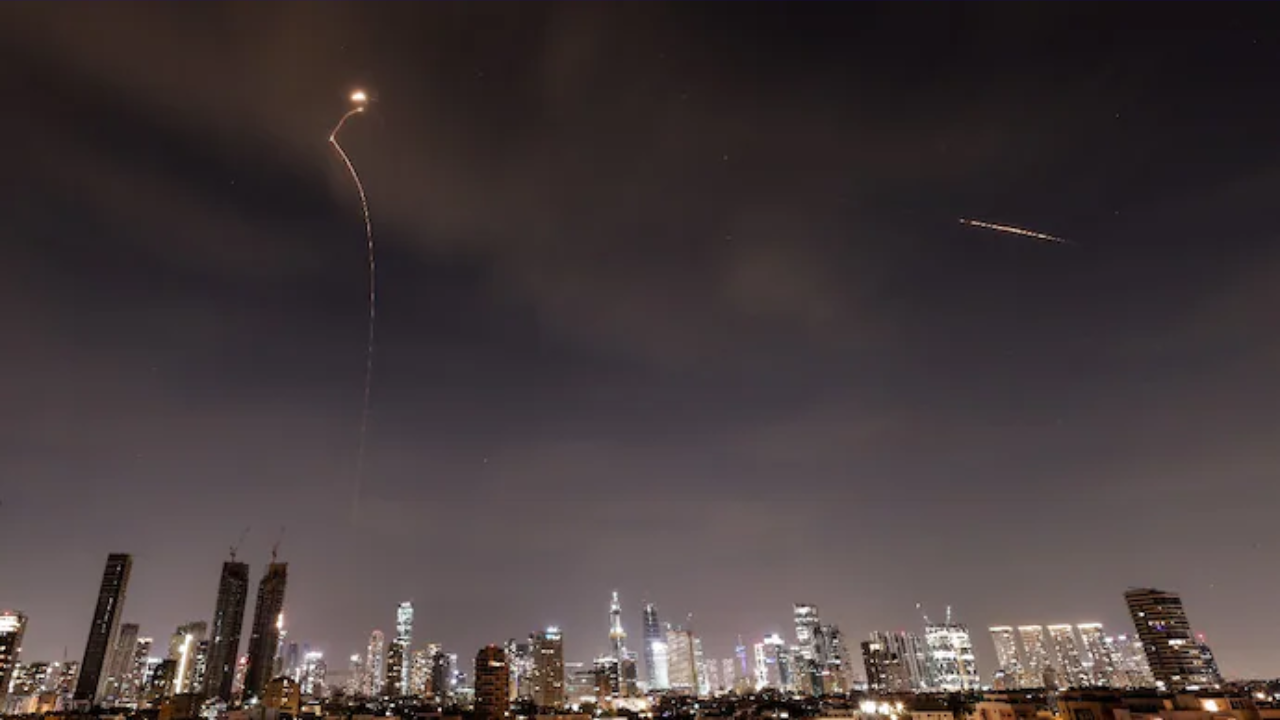
The confrontation between the United States and Iran has reached a critical flashpoint as of April 5, 2026. Following the recent downing of two U.S. fighter jets—a loss of airframe not seen in over two decades—the Pentagon has begun positioning its most sophisticated long-range munitions, signaling a transition into a more aggressive and lethal phase of the war.
Thank you for reading this post, don't forget to subscribe!The Shift to “Vertical Escalation”
Key Developments in the Conflict
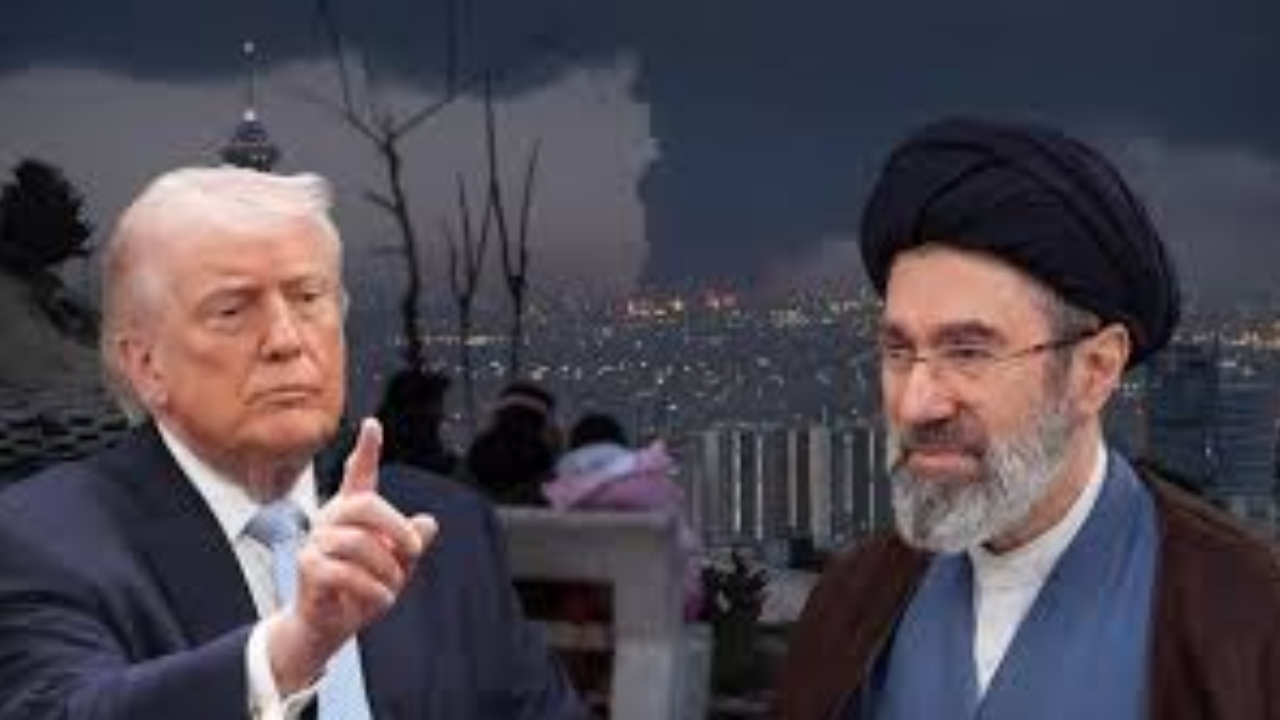
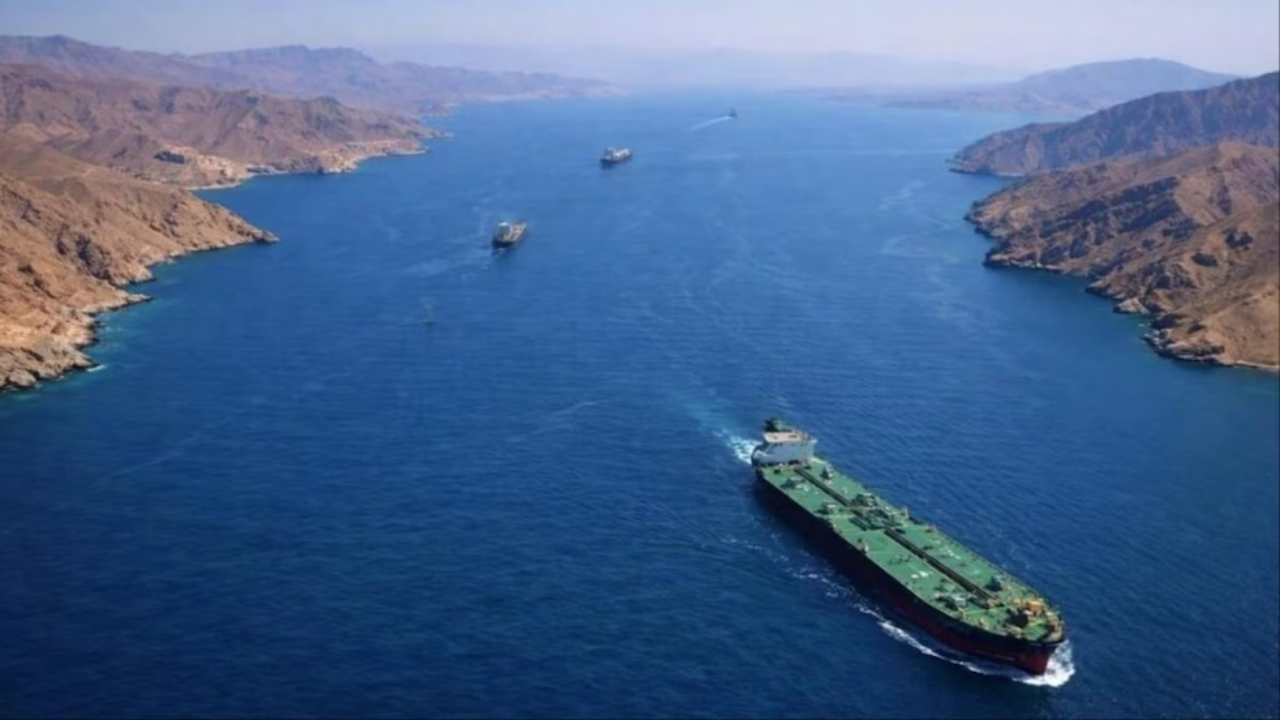
- The Hormuz Ultimatum: President Trump has set a deadline for April 6, 2026. If Iran does not end its blockade of the Strait of Hormuz, the U.S. has threatened to pivot its targeting toward Iran’s primary energy assets and nuclear facilities.
- A New Leadership Core: Following the death of Ali Khamenei in the early stages of Operation Epic Fury, his son Mojtaba Khamenei has assumed power. Backed heavily by the IRGC, the new leadership has rejected diplomatic overtures, demanding full control over regional waterways and reparations for the initial strikes.
- Military Standing: While Iranian ballistic missile capabilities have been degraded by an estimated 90%, their drone swarms and “missile cities” remain a persistent threat. In response, the U.S. has surged its regional presence to over 50,000 troops, the largest mobilization in the Middle East since 2003.