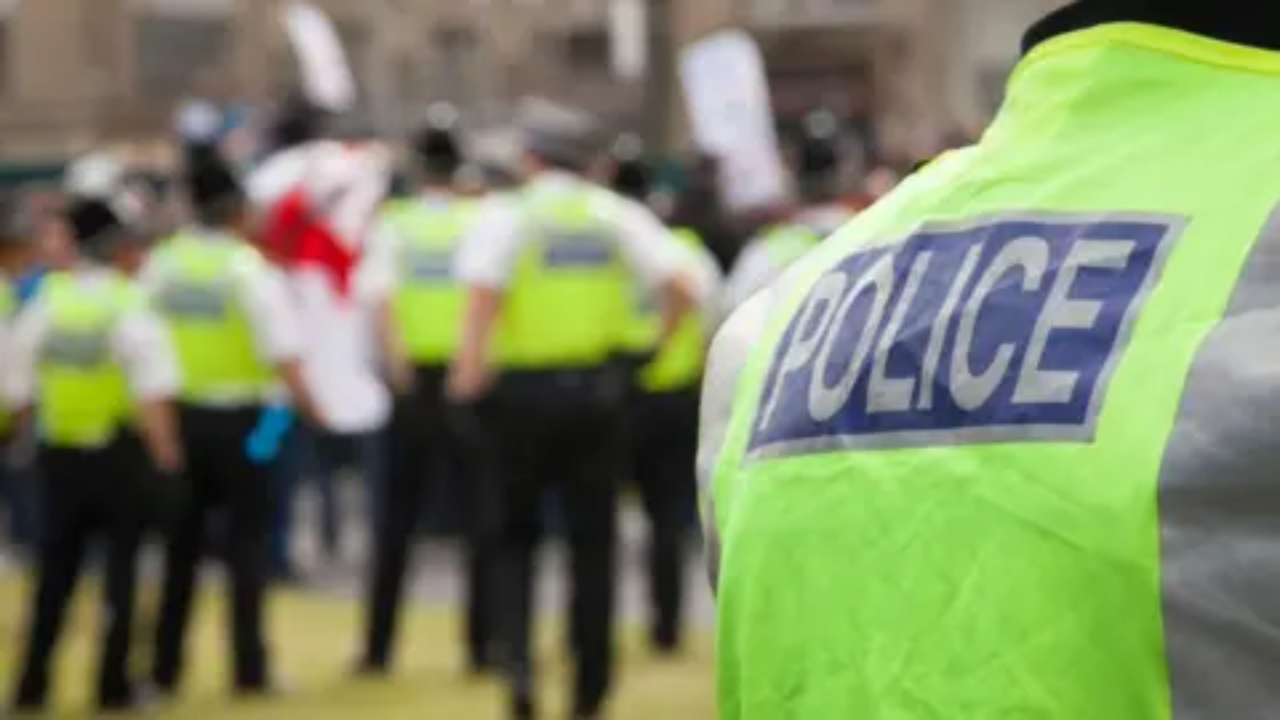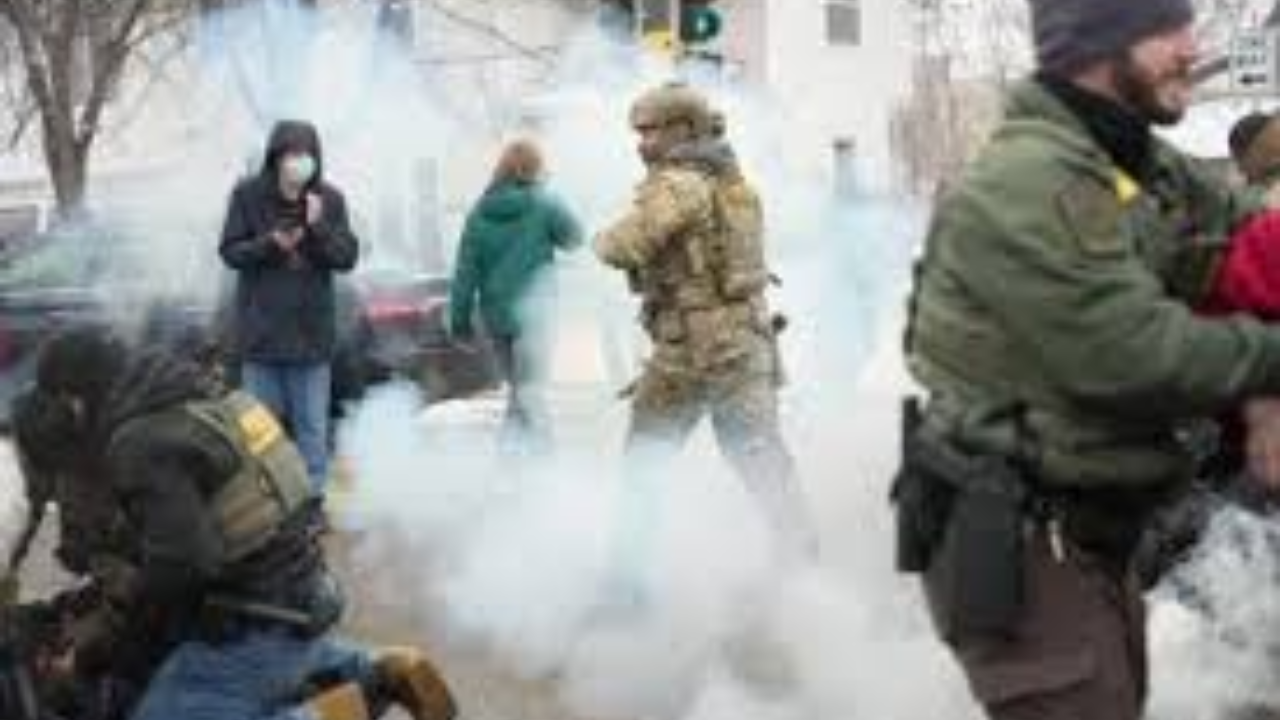
WASHINGTON — The U.S. Army has issued “prepare-to-deploy” orders to several dozen active-duty military police officers as tensions continue to mount in Minneapolis. The orders, confirmed by defense officials on Wednesday, come in response to escalating civil unrest following a controversial federal immigration crackdown.
Thank you for reading this post, don't forget to subscribe!Escalation of Force
The standby orders for the military police brigade stationed at Fort Bragg, North Carolina, represent a significant expansion of the federal military posture. They join a larger contingent of approximately 1,500 active-duty soldiers from the 11th Airborne Division (based in Alaska) who were placed on high alert earlier this week.
While the Pentagon describes these moves as “pre-decisional” and routine contingency planning, they signal the administration’s readiness to take extraordinary measures if local conditions deteriorate further.
The Catalyst: The Killing of Renee Good
The current crisis stems from the January 7 shooting of Renee Good, a 37-year-old local resident, by an ICE agent during a federal enforcement operation.
- The Incident: Video footage of the shooting has sparked national outrage and daily protests in the Twin Cities.
- Federal Response: President Trump has repeatedly threatened to invoke the Insurrection Act of 1807, which would bypass standard legal restrictions (the Posse Comitatus Act) to allow active-duty troops to perform domestic law enforcement duties.
- Current Status: Though the President recently suggested the Act might not be necessary “right now,” the standby orders remain in place as a “very powerful” option.
Local and State Resistance
The prospect of federal military intervention has met fierce opposition from Minnesota leadership:
- Governor Tim Walz: The Governor has urged the White House to refrain from sending active-duty troops, stating that public safety should rely on “shared purpose, trust, and respect” rather than federal force.
- State Resources: Walz has already activated the Minnesota National Guard to support local police, emphasizing that state-led efforts are sufficient to maintain order.
- Legal Friction: The Department of Justice is reportedly investigating both Governor Walz and Minneapolis Mayor Jacob Frey for allegedly obstructing federal law enforcement activities during the ongoing ICE operations.
What’s Next?
The military police and airborne units remain in a “ready” status but have not yet received orders to move. If deployed, they would likely be tasked with protecting federal property and assisting civil authorities in managing the massive demonstrations that have paralyzed parts of the city.