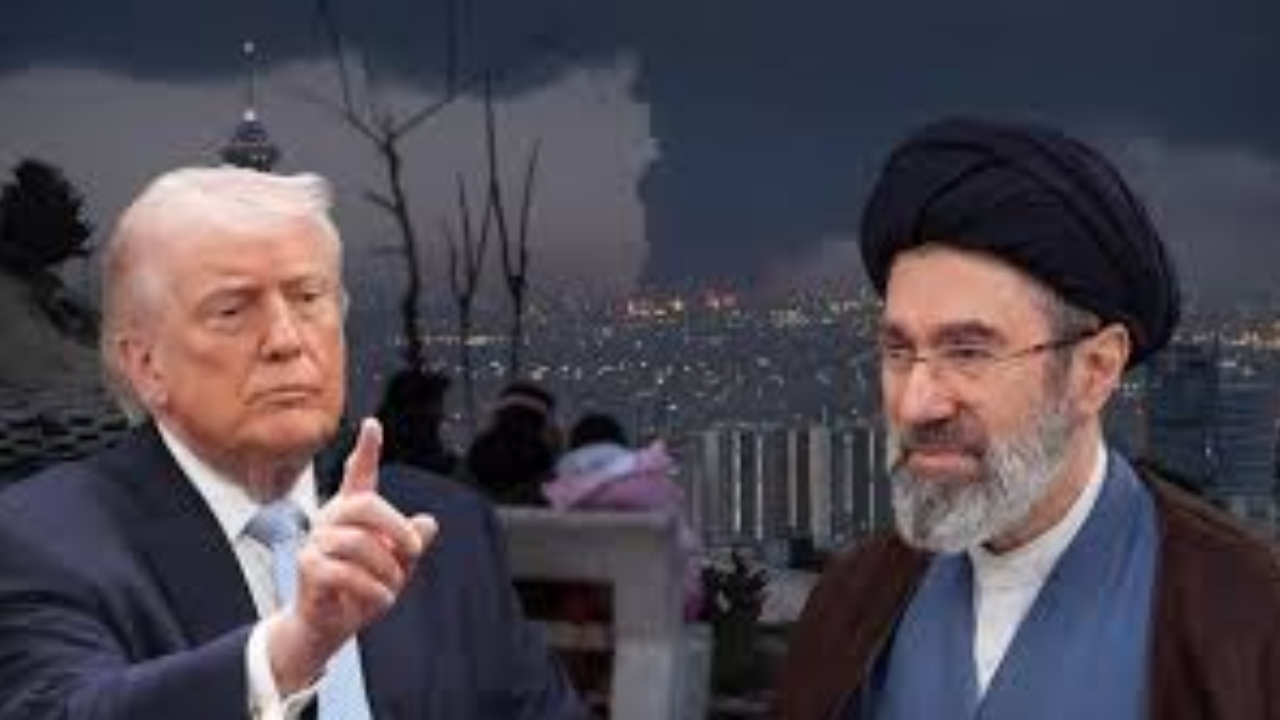
President Trump took to Truth Social late Wednesday to clarify that the U.S. military will maintain its heavy presence “in, and around, Iran” indefinitely. Despite a fragile two-week ceasefire, the President emphasized that a full withdrawal is contingent on Tehran’s total compliance with a new, comprehensive deal.
Thank you for reading this post, don't forget to subscribe!The Conditions for Withdrawal
The administration has pivoted from the temporary pause in fighting to a set of “non-negotiable” demands. For U.S. forces to stand down, the President is requiring:
- Total Denuclearization: A permanent and verifiable end to Iran’s nuclear program.
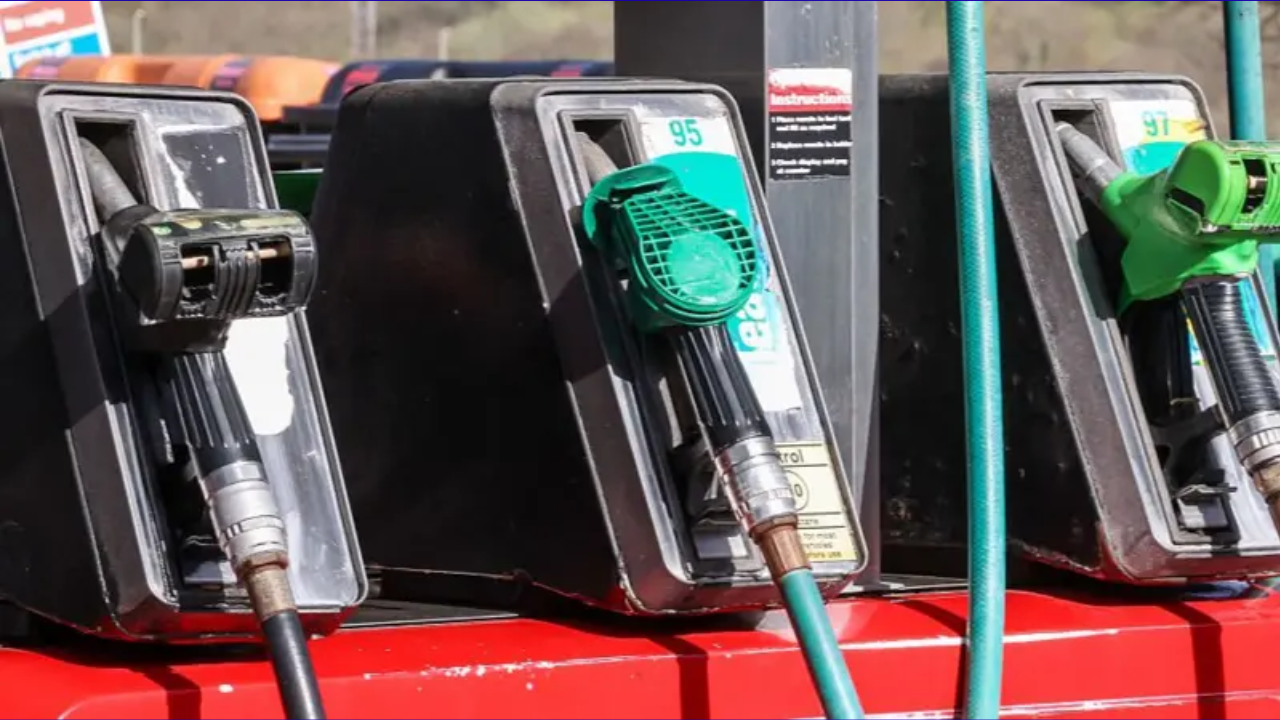
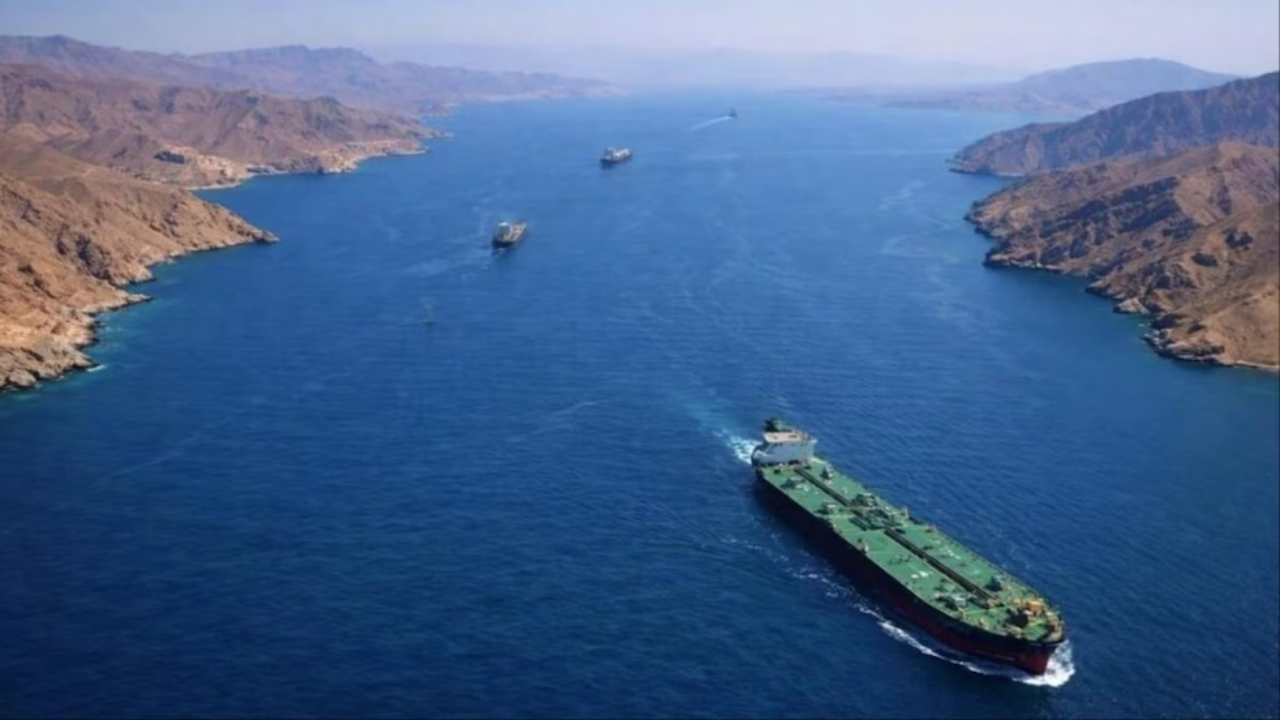
- Maritime Security: Guaranteed free transit through the Strait of Hormuz, which was recently blocked, causing a spike in global energy costs.
- Military Readiness: Trump described the current U.S. posture as “Loading Up and Resting,” warning that any breach of the ceasefire would result in a military response “bigger and stronger” than previous engagements.
The Current Standoff
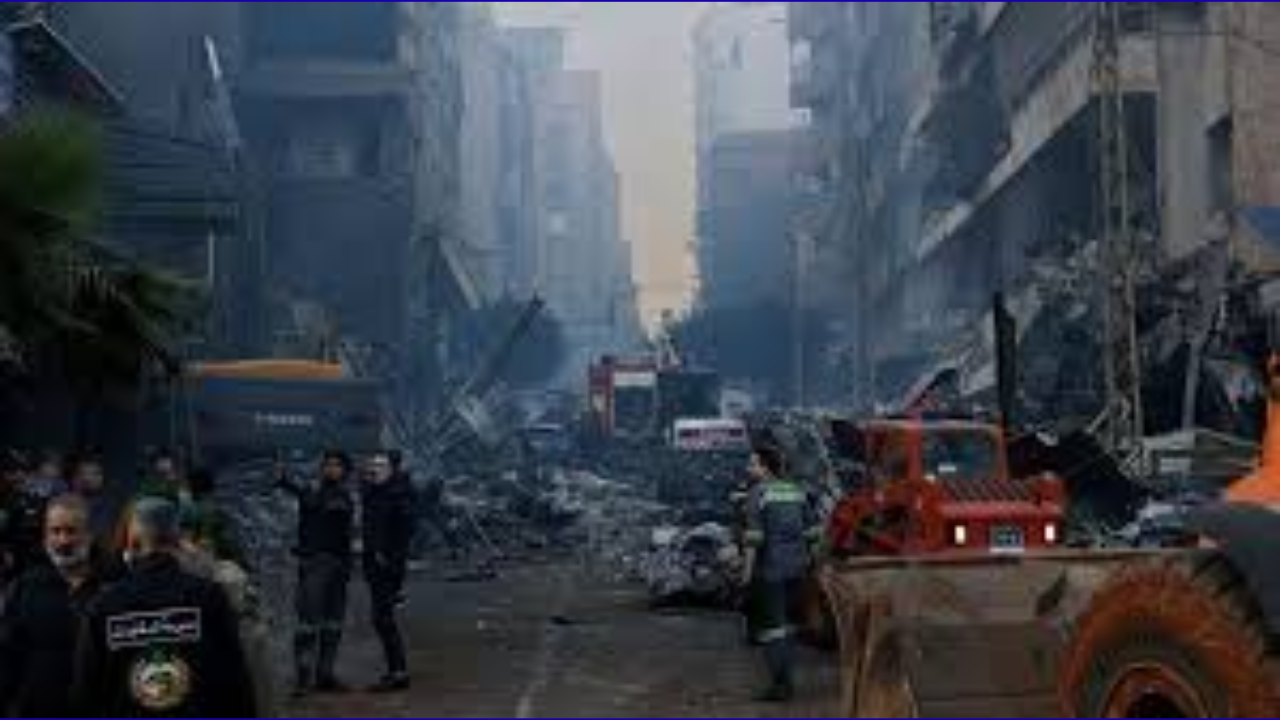
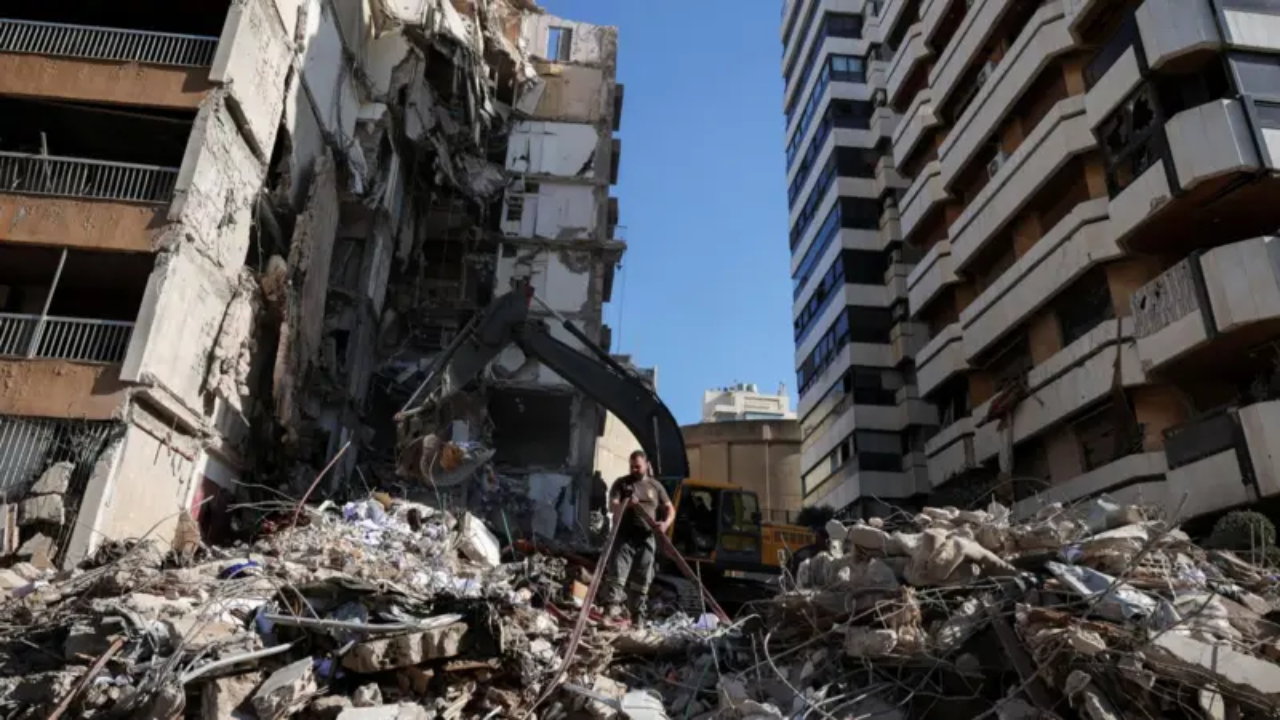
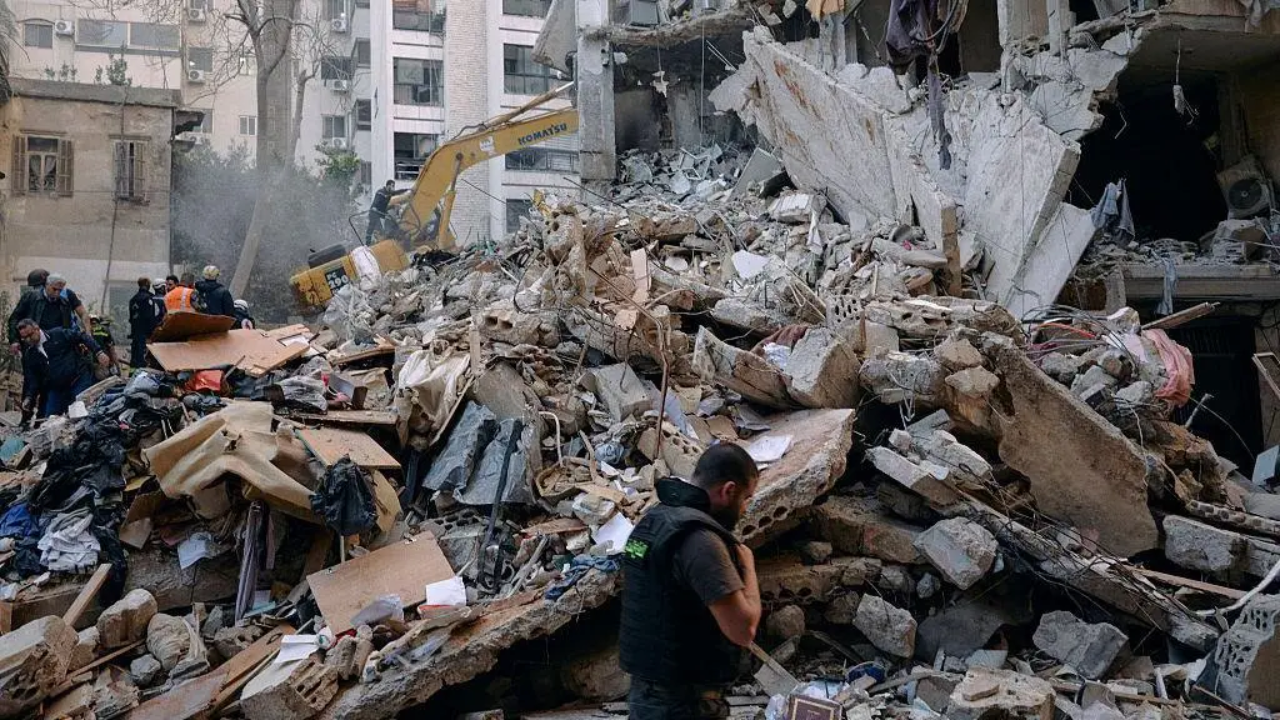
The conflict reached a boiling point in early 2026 following Operation Epic Fury, a series of U.S.-led strikes on Iranian infrastructure. While a 14-day ceasefire began on April 7, the regional atmosphere remains tense:
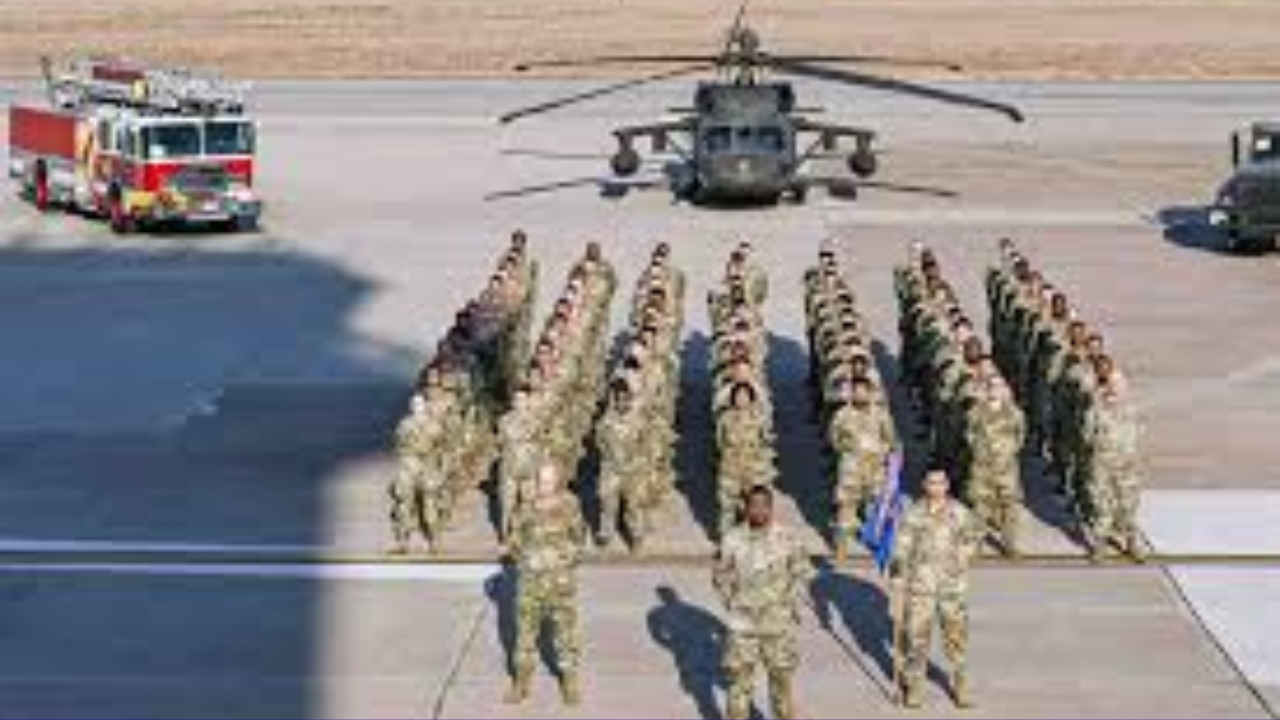
- Deployment: Approximately 50,000 U.S. troops remain in the theater, marking the largest buildup in the region in over two decades.
- Diplomatic Hurdles: While mediators in Oman are pushing a 10-point peace plan, the U.S. is holding firm on sanctions. Vice President JD Vance and Secretary of State Marco Rubio have signaled that the U.S. will not provide sanctions relief until major concessions are made.
What’s Next?
The ceasefire acts as a critical window for indirect negotiations. However, with the U.S. refusing to move its “ships, aircraft, and personnel” until a final agreement is signed, the region remains on a hair-trigger alert. Global markets are watching the Strait of Hormuz closely, as any further disruption could further destabilize international oil prices.