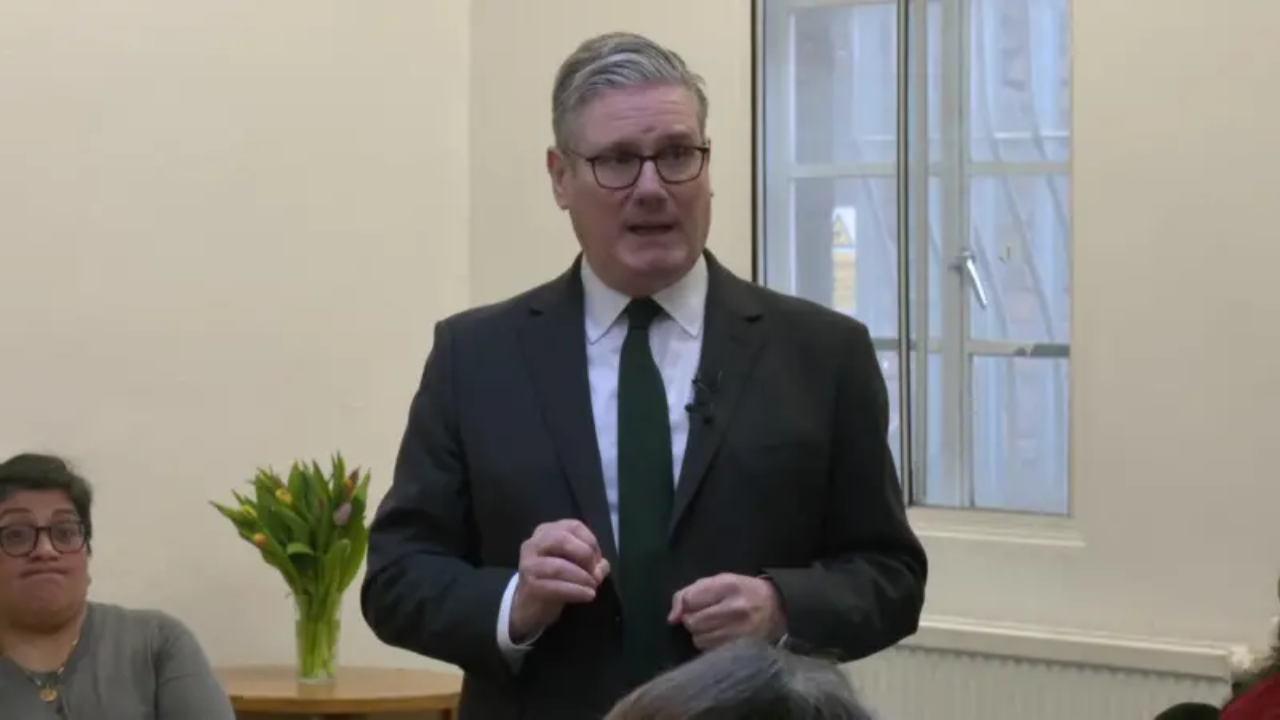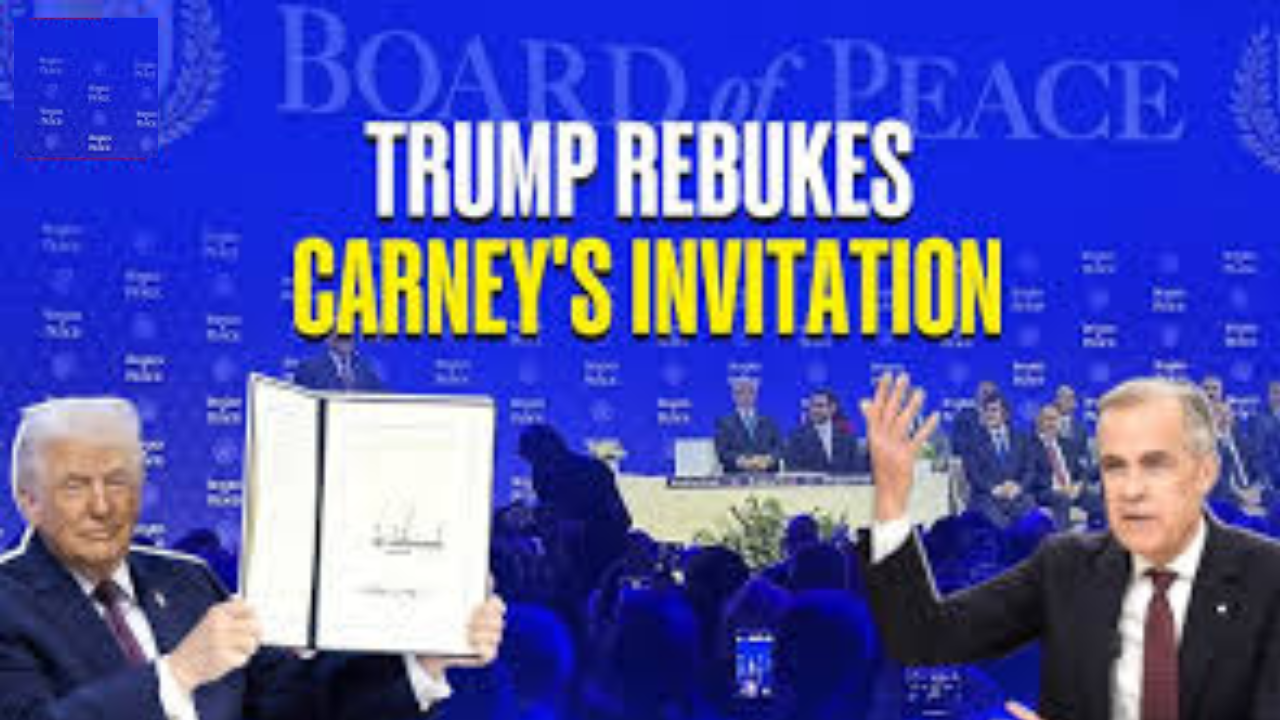
In a move that signals a deepening rift between North American neighbors, President Donald Trump has officially withdrawn his invitation for Canadian Prime Minister Mark Carney to join the international Board of Peace.
Thank you for reading this post, don't forget to subscribe!The decision follows a high-stakes week at the World Economic Forum (WEF) in Davos, where public disagreements over trade and sovereignty turned personal.
Why the Invitation Was Withdrawn
The relationship between the two leaders soured rapidly following several key flashpoints:
- The “Davos Rupture”: PM Carney used his platform at Davos to warn against the “rupture” of the global rules-based order, a move widely seen as a critique of Trump’s “America First” trade policies.
- The Sovereignty Dispute: Tensions spiked after Trump joked that Canada should become the “51st state” if it could not meet his trade demands. Carney responded by asserting that Canada’s prosperity is rooted in its independence.
- The Membership Fee: The Trump administration demanded a $1 billion “contribution” for countries seeking a permanent seat on the Board. Canada’s Finance Minister, François-Philippe Champagne, publicly rejected the idea, stating Canada would not pay for a seat at the table.
Understanding the “Board of Peace”
| Feature | Details |
| Chairman | Donald Trump (Life-long Chairman) |
| Mandate | Reconstruction of Gaza and global conflict resolution |
| Current Members | Israel, Egypt, UAE, Morocco, Argentina, Hungary, Pakistan |
| Opposition | Many G7 nations (UK, France, Germany) have declined to join |
The Official Statement
President Trump confirmed the withdrawal via Truth Social, making it clear that Canada would no longer be part of what he described as the “most prestigious Board of Leaders ever assembled.”
The move leaves Canada on the outside of a major U.S.-led diplomatic initiative and suggests that trade negotiations between the two countries may become increasingly difficult in the coming months.