Strategic Objectives
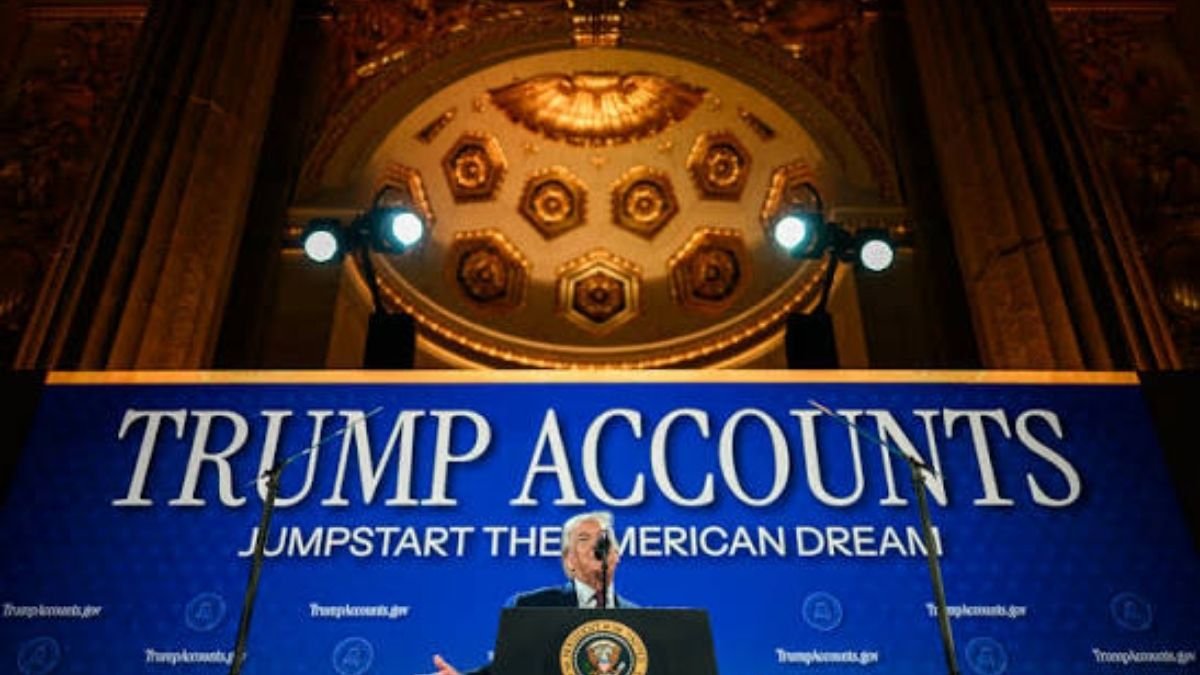
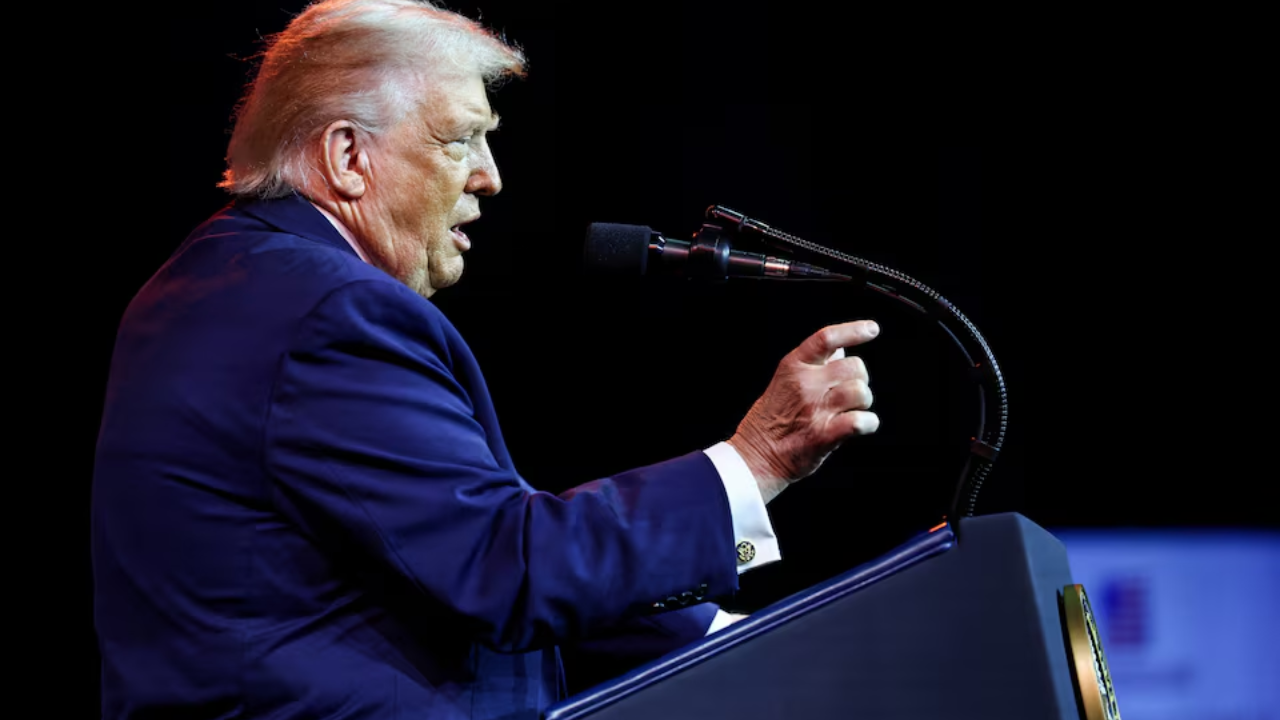
The President framed the request as a move to build a “Dream Military,” citing the need for total dominance in a period of global volatility. Key motivations include:
- Active Operations: Ongoing military engagements in Venezuela and Colombia.
- Modernization: A push to overhaul aging infrastructure and increase manufacturing capacity.
- Economic Strategy: The administration intends to fund this increase through revenue generated by aggressive tariffs rather than traditional tax hikes.
New Terms for Defense Contractors
A significant part of this proposal is tied to a new executive order targeting the defense industry. The President warned major contractors, such as Raytheon, that they must:
- Halt stock buybacks and dividends.
- Reinvest profits directly into expanding the industrial base.
- Face disqualification from new contracts if they prioritize shareholder payouts over military readiness.
Comparative Analysis
| Fiscal Year | Budget Amount | Context |
| 2026 | $901 Billion | Baseline spending for current operations. |
| 2027 | $1.5 Trillion | Proposed “Dream Military” expansion. |
| Increase | +$599 Billion | A roughly 66% year-over-year jump. |
Potential Hurdles

Suresh holds a Master of Commerce (M.Com) degree and is a dedicated personal finance researcher and writer. Combining his advanced academic background in commerce with deep industry research, he covers complex topics like taxation, banking systems, credit analysis, and personal finance strategies. As the founder of Tax Assistant (taxassistant.org), Suresh is committed to translating complicated financial guidelines and economic data into simple, accurate, and actionable educational resources for everyday readers.