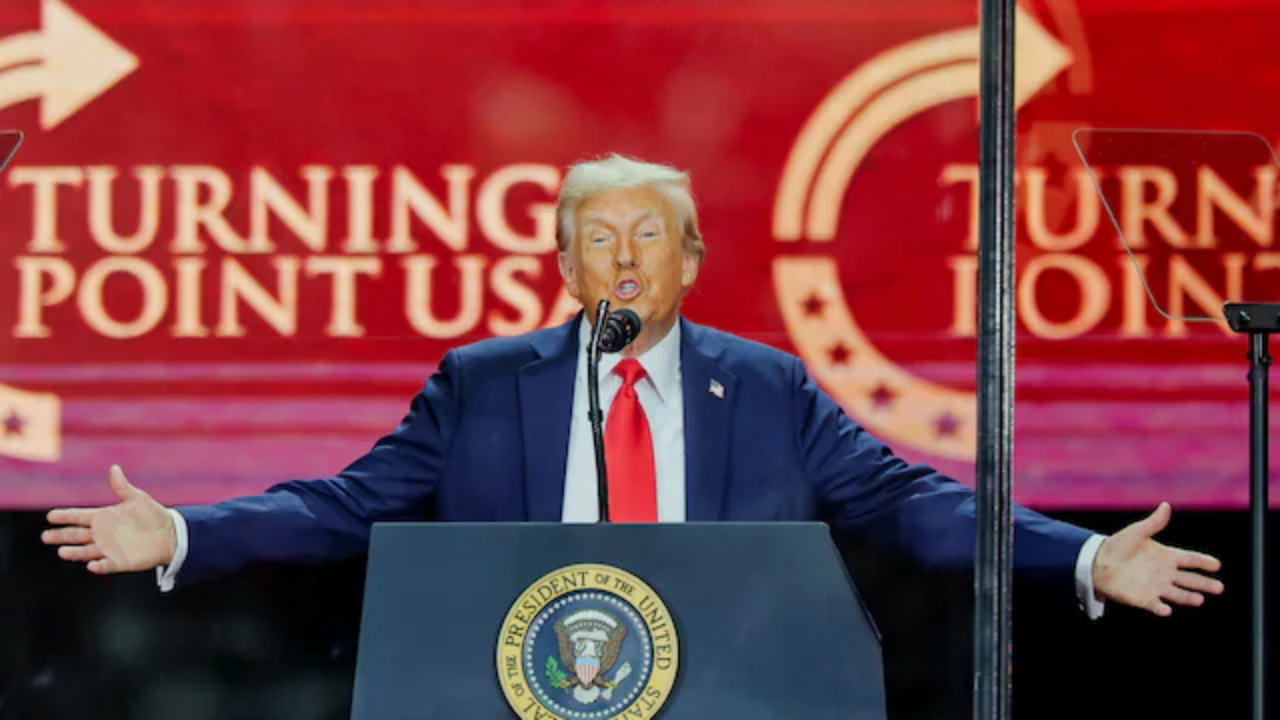
Based on recent statements, Donald Trump has been vocal in his criticism of countries continuing to purchase Russian oil, arguing that they are “indirectly funding Russia’s war” in Ukraine.1 He has specifically called out China, India, and several NATO allies for their actions.2
Thank you for reading this post, don't forget to subscribe!Key Criticisms and Stances
- Accusations against India and China: Trump has repeatedly labeled India and China as the “primary funders” of the war due to their significant energy purchases from Russia.3 Since the 2022 invasion, these two nations have become Russia’s largest energy customers, often buying crude at discounted rates.
- Criticism of NATO Members: Trump has also expressed his frustration with certain NATO members—including Turkey, Hungary, and Slovakia—for not fully cutting off Russian energy imports, stating they are “funding the war against themselves.”4
- Threat of New Sanctions: In response to these actions, Trump has warned that unless European countries fully commit to halting Russian energy imports, the United States will move forward with new sanctions and potentially punitive tariffs.5 The U.S. has already taken action by imposing a 25% punitive tariff on Indian goods, raising the total duty to 50%, as a pressure tactic to reduce India’s oil purchases from Russia.6
- Echoed by U.S. Officials: This position is supported by figures like Republican Senator Marco Rubio, who called India’s oil imports “a point of irritation in U.S.-India ties” and warned that they help sustain Moscow’s war effort.7 However, Rubio also noted that while the U.S. values its strategic partnership with New Delhi, he hopes the issue can be “fixed.”8
Trade and Political Context
Trade data indicates that China imported over 100 million tonnes and India imported around 88 million tonnes of Russian crude in 2024, making them Moscow’s largest energy partners. While the Biden administration and G7 had previously capped the price of Russian oil at $60 per barrel, enforcement has been weak, allowing Russia to re-route its crude sales to Asia.
This issue highlights a broader geopolitical tension where nations are balancing their strategic partnerships and economic needs with international pressure to isolate Russia.