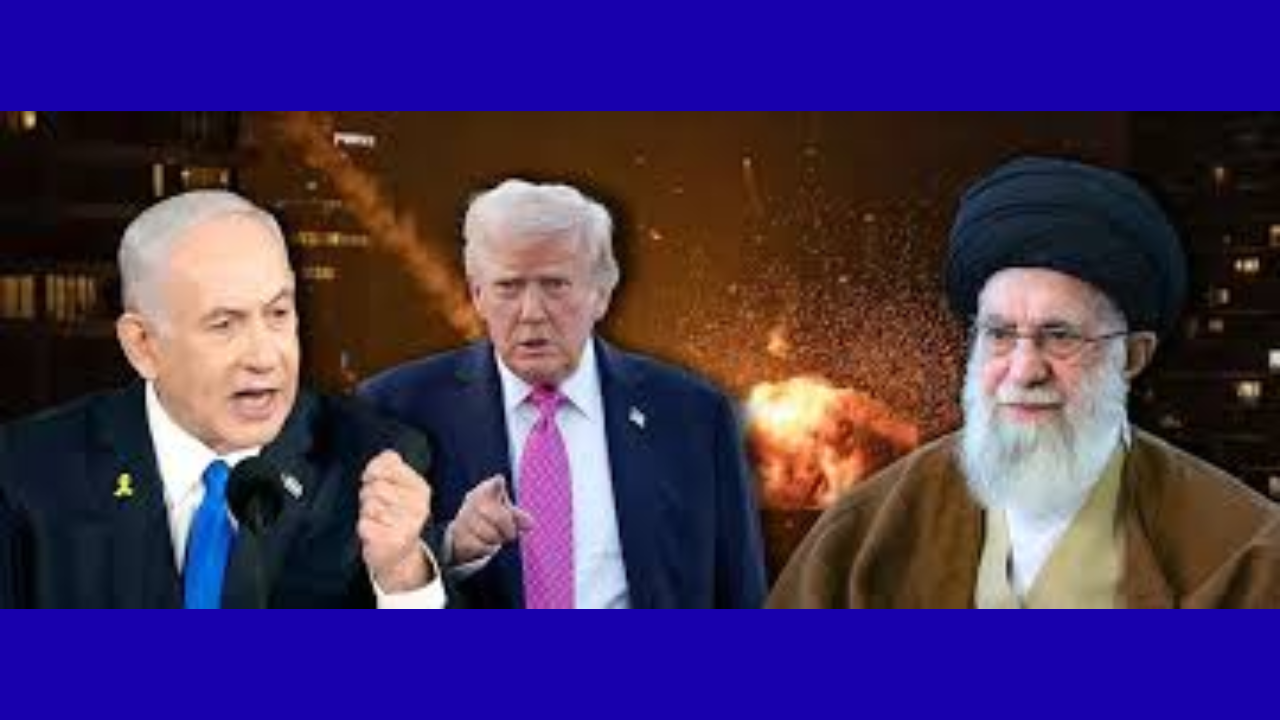
In the high-stakes geopolitical climate of April 2026, any peace deal between Washington and Tehran requires more than just signatures; it requires a narrative that both sides can frame as a triumph to their domestic audiences.
1. The Nuclear Program: “Verified Dismantling” vs. “Scientific Sovereignty”
- The US Victory: A complete cessation of high-level uranium enrichment and the transfer of existing stockpiles to a neutral third party. The administration can claim they “neutered” the threat more effectively than any previous deal.
- The Iranian Victory: Retaining a low-level civilian nuclear program under IAEA monitoring. Tehran can argue they defended their “right to energy” and only paused enrichment because their “peaceful objectives” were acknowledged.
2. Regional Security: “Maximum Containment” vs. “Defensive Deterrence”
- The US Victory: New restrictions on the export of drones and missiles to regional proxies. This allows Washington to tell allies that it has successfully “de-fanged” the regional threat.
- The Iranian Victory: A formal end to “Operation Epic Fury” strikes and a seat at the table for regional security discussions. Tehran frames this as forcing the West to recognize Iran as the indispensable power in the Middle East.
3. Maritime Safety: “Freedom of Navigation” vs. “Gulf Authority”
- The US Victory: Guaranteed unhindered passage through the Strait of Hormuz for all international vessels. This is sold as securing the global economy and breaking the Iranian “bottleneck.”
- The Iranian Victory: The establishment of a “Regional Maritime Center” that gives Iran a formal role in policing its own backyard. This allows the regime to claim it has ended “foreign naval interference.”
4. Economic Relief: “Snapback Discipline” vs. “Breaking the Siege”
- The US Victory: Sanctions are “suspended” rather than permanently removed, keeping a “snapback” hammer ready if Iran violates the deal. This maintains the image of “Maximum Pressure.”
- The Iranian Victory: The immediate release of billions in frozen assets and the lifting of oil export bans. The leadership can frame this as “reparations” for a failed Western economic war.
Summary of the Shared Victory
| Conflict Area | US Narrative | Iran Narrative |
| Nuclear | “Threat Permanently Neutralized” | “National Sovereignty Preserved” |
| Proxy Warfare | “Containment Successful” | “Western Aggression Halted” |
| Maritime | “Global Trade Secured” | “Regional Waters Liberated” |
| Finance | “Compliance or Snapback” | “Sanctions Defeated” |
The Bottom Line: As of mid-April 2026, the success of this framework hinges on the stability of the current mediated ceasefire. For a deal to stick, it cannot look like a compromise—it must look like the opponent was the first to blink.

Suresh holds a Master of Commerce (M.Com) degree and is a dedicated personal finance researcher and writer. Combining his advanced academic background in commerce with deep industry research, he covers complex topics like taxation, banking systems, credit analysis, and personal finance strategies. As the founder of Tax Assistant (taxassistant.org), Suresh is committed to translating complicated financial guidelines and economic data into simple, accurate, and actionable educational resources for everyday readers.