Trump’s Tariff U-Turn: The Contrast Between Pharma Desperation and Protectionism
Thank you for reading this post, don't forget to subscribe!US President Donald Trump has announced a stunning trade move: a 100% tariff on imported branded and patented pharmaceutical drugs, effective October 1. This aggressive push to force manufacturing onto US soil stands in stark contrast to his moment of “desperation” in 2020, when he was begging India for shipments of hydroxychloroquine during the peak of the COVID-19 pandemic.
The New Tariff and its Conditions
Trump announced the sweeping import tax on Truth Social, declaring:
“I’m putting a 100 per cent import tax on pharmaceutical drugs unless the companies are building plants right here in the United States… Breaking ground, under construction, that’s the deal. No exceptions.”
The move, effective October 1, aims to reduce reliance on foreign drug supplies and bolster domestic pharmaceutical production.
The Hydroxychloroquine Plea
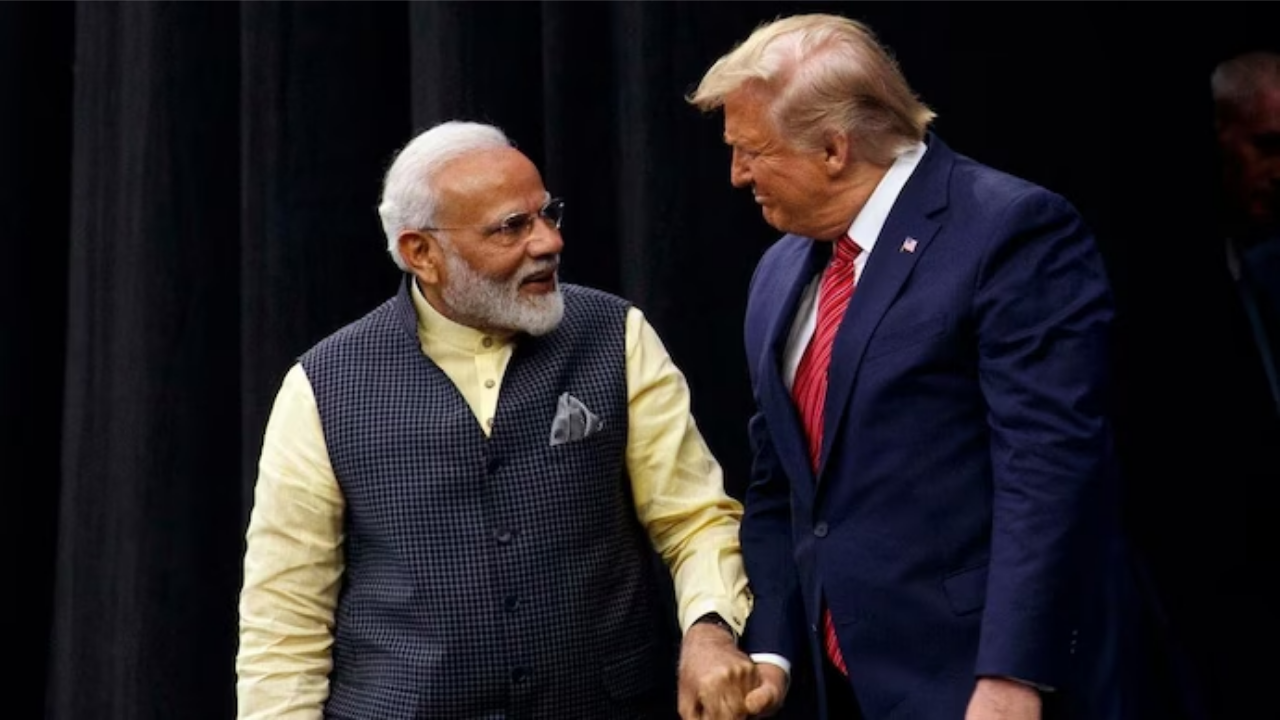
In 2020, at the height of the COVID-19 crisis, Trump personally called Prime Minister Narendra Modi to urgently request the anti-malarial drug, which was then being touted as a potential COVID-19 treatment.
- Initial Threat: When India initially banned the export of hydroxychloroquine on April 4, 2020, due to its own rising domestic demand, Trump threatened retaliation to secure the drugs for Americans.
- The U-Turn: Trump later softened his stance, publicly thanking Modi after India lifted the ban and a first shipment of over 29 million doses began making its way to the US from Gujarat. He lauded Modi as “really good.”
- The Context: At the time, the US was one of the worst-hit countries, desperate for any potential treatment, even as the drug’s efficacy was unproven.
Impact on India’s Pharma Exports
India is known as the “pharmacy of the world,” and the US is its largest market. However, Indian exports might not be severely impacted by this specific tariff immediately:
- Generics are Safe (For Now): India exports about a third of the medicines consumed in the US, but these are mostly generics (off-patent drugs) and are not the primary target of the new tariff.
- Potential Risk: Experts note that there is ambiguity over whether the new 100% duty will eventually affect complex generics and specialty medicines, which could significantly hurt Indian pharma companies that heavily depend on the American market. For instance, the US accounts for around 35% of India’s total pharma exports, valued at about $10 billion in FY25.
The new tariff highlights a major shift in US policy, pivoting from a plea for foreign supplies in a crisis to a hardline protectionist stance for its domestic drug industry.