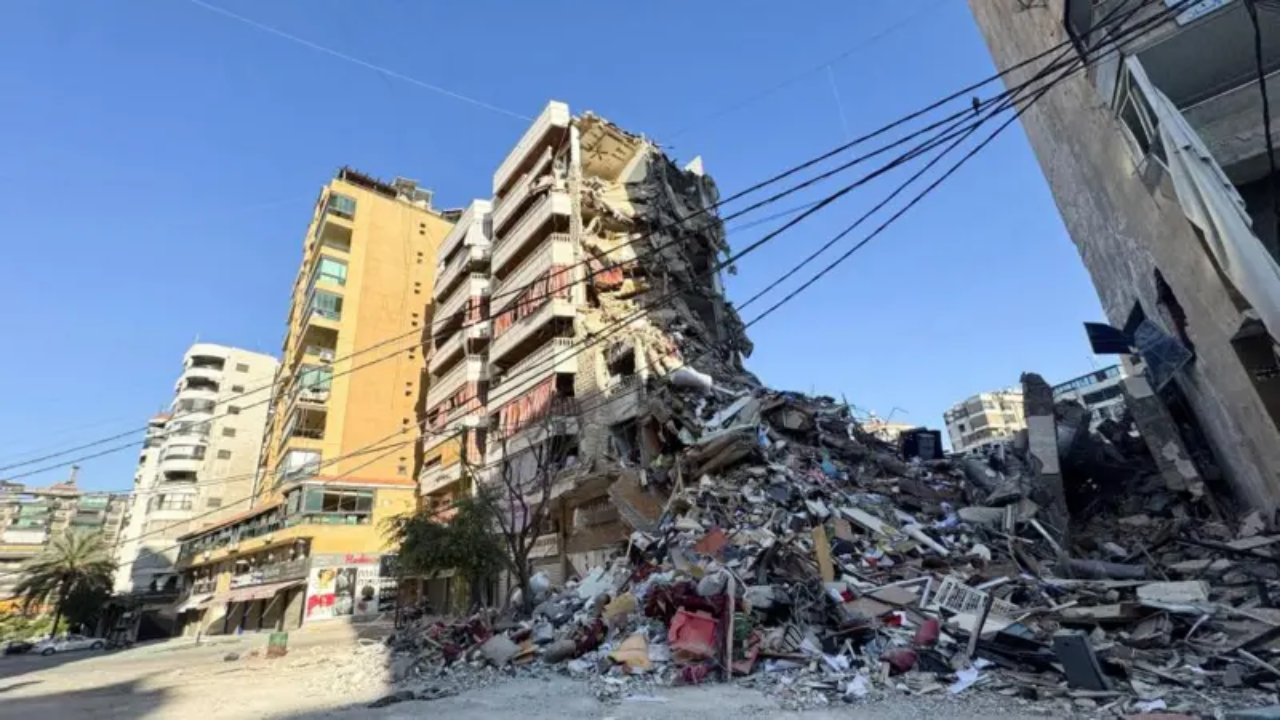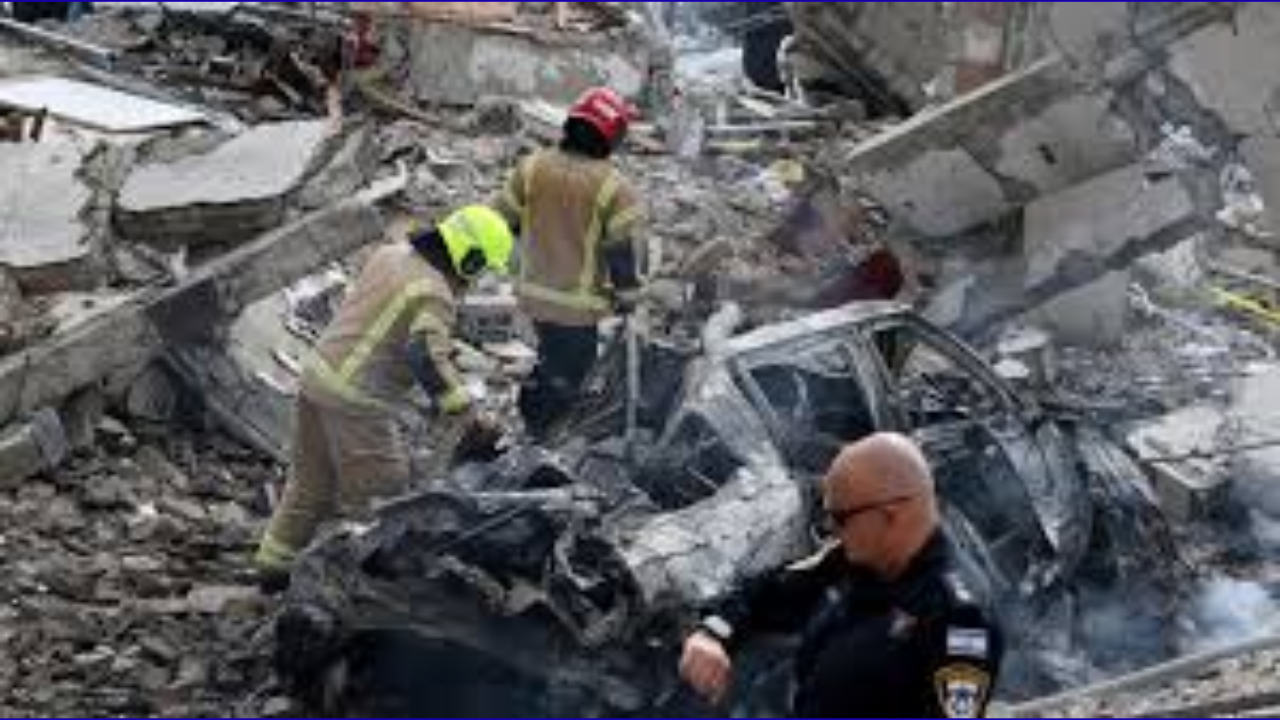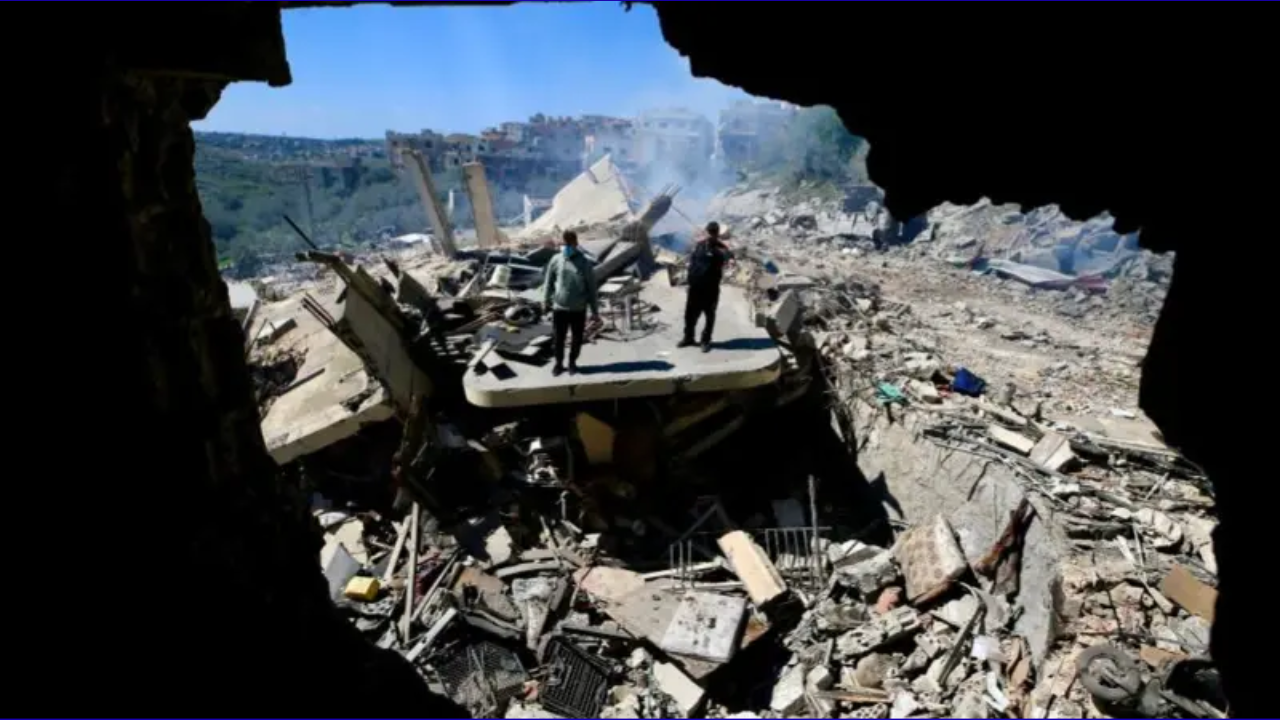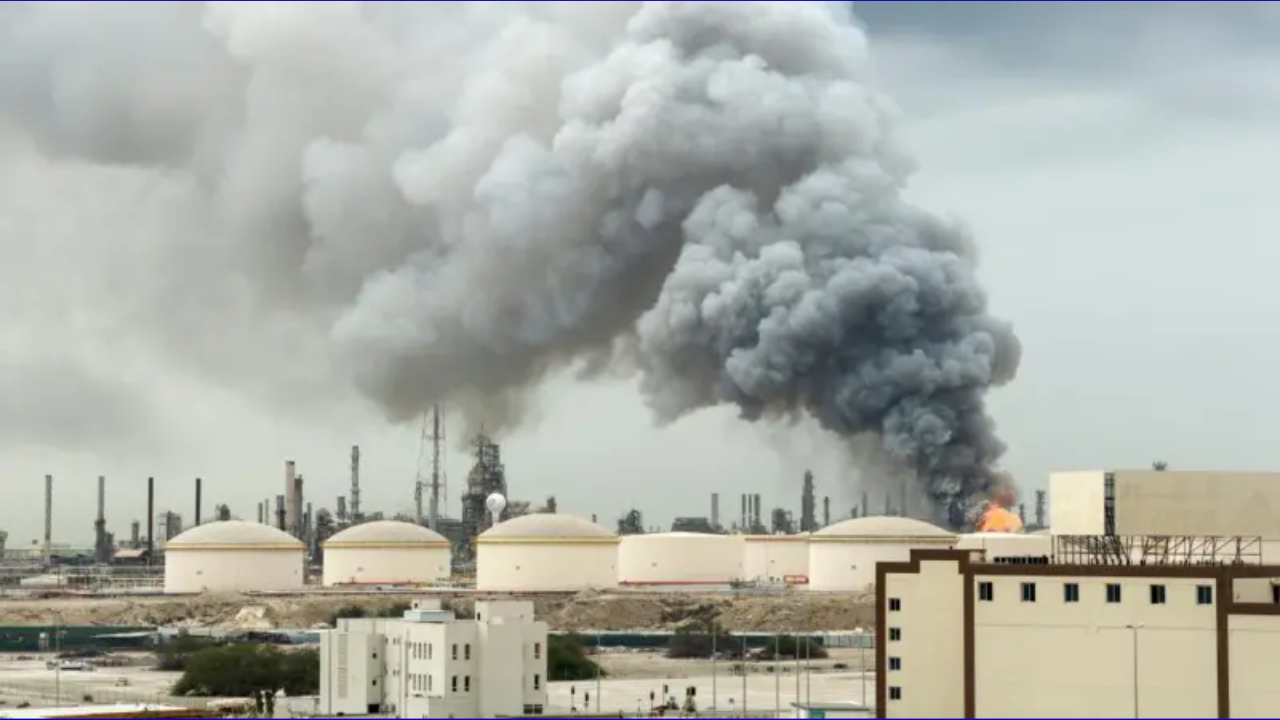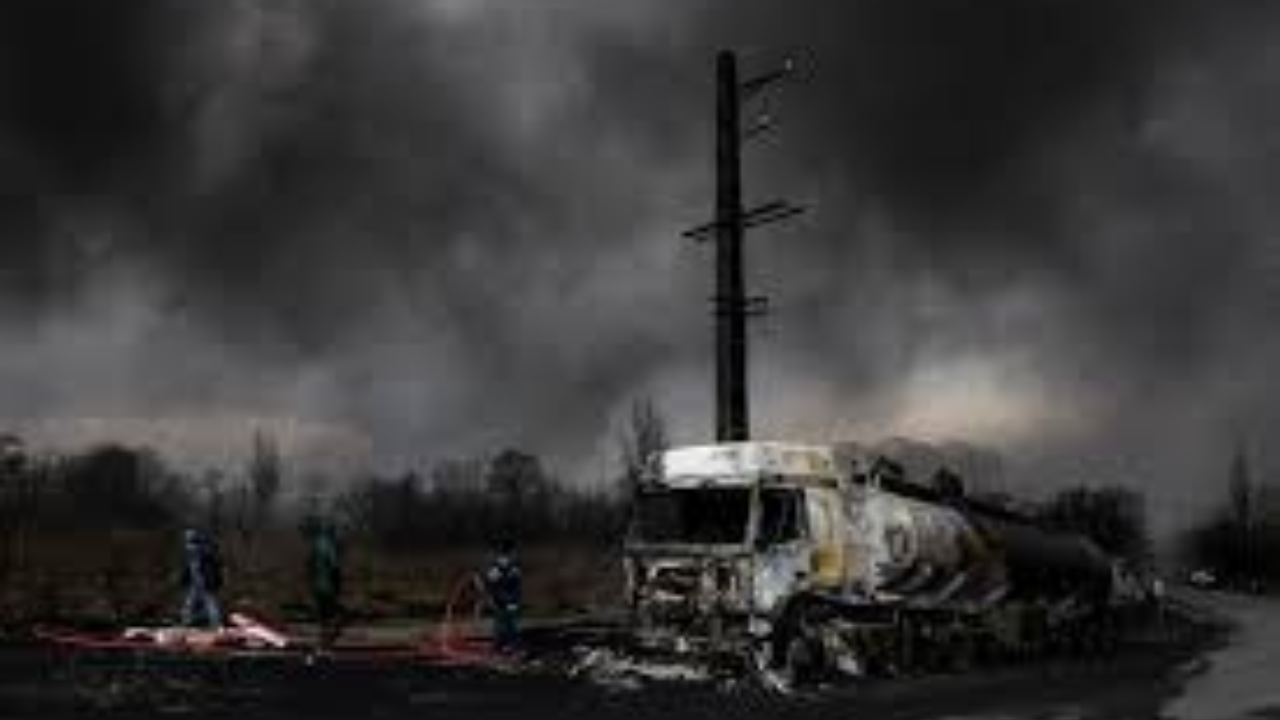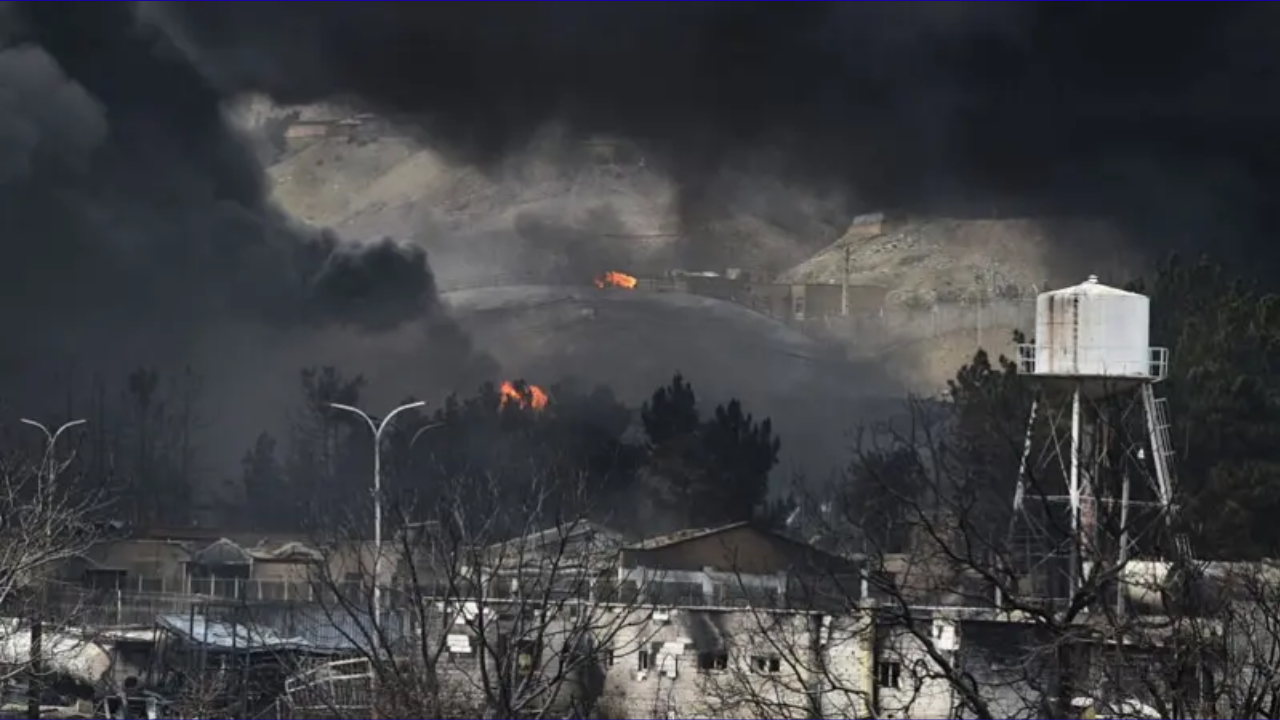
The bombardment of oil sites during conflict creates an ecological “triple threat” that persists long after the fires are extinguished. When energy infrastructure becomes a military target, the resulting chemical pollution triggers a cascade of environmental degradation that affects the air, the earth, and the very biology of the surrounding region.
Thank you for reading this post, don't forget to subscribe!Atmospheric Poisoning
The most immediate impact is the massive release of black carbon and particulate matter (PM2.5) into the atmosphere. These plumes carry a cocktail of volatile organic compounds and Polycyclic Aromatic Hydrocarbons (PAHs). Beyond the immediate respiratory risks to local populations, these pollutants can travel hundreds of miles, eventually falling as “black rain” that acidifies water sources and destroys seasonal crops.
Subsurface Contamination
On the ground, the damage is often invisible but more permanent. Ruptured pipelines and storage tanks release crude oil that saturates the soil. This doesn’t just kill vegetation; it introduces heavy metals like mercury and arsenic into the local geology. As these toxins leach into the groundwater, they poison the aquifers that communities rely on for drinking and irrigation, often rendering the land uninhabitable for generations.
The Food Chain Collapse
The final stage of this pollution is bioaccumulation. Toxins absorbed by the soil are taken up by plants, which are then consumed by livestock. This concentrates hazardous chemicals—particularly carcinogens like benzene—within the food supply. In war-torn regions where environmental monitoring is non-existent, this creates a long-term public health crisis that persists far longer than the kinetic conflict itself.