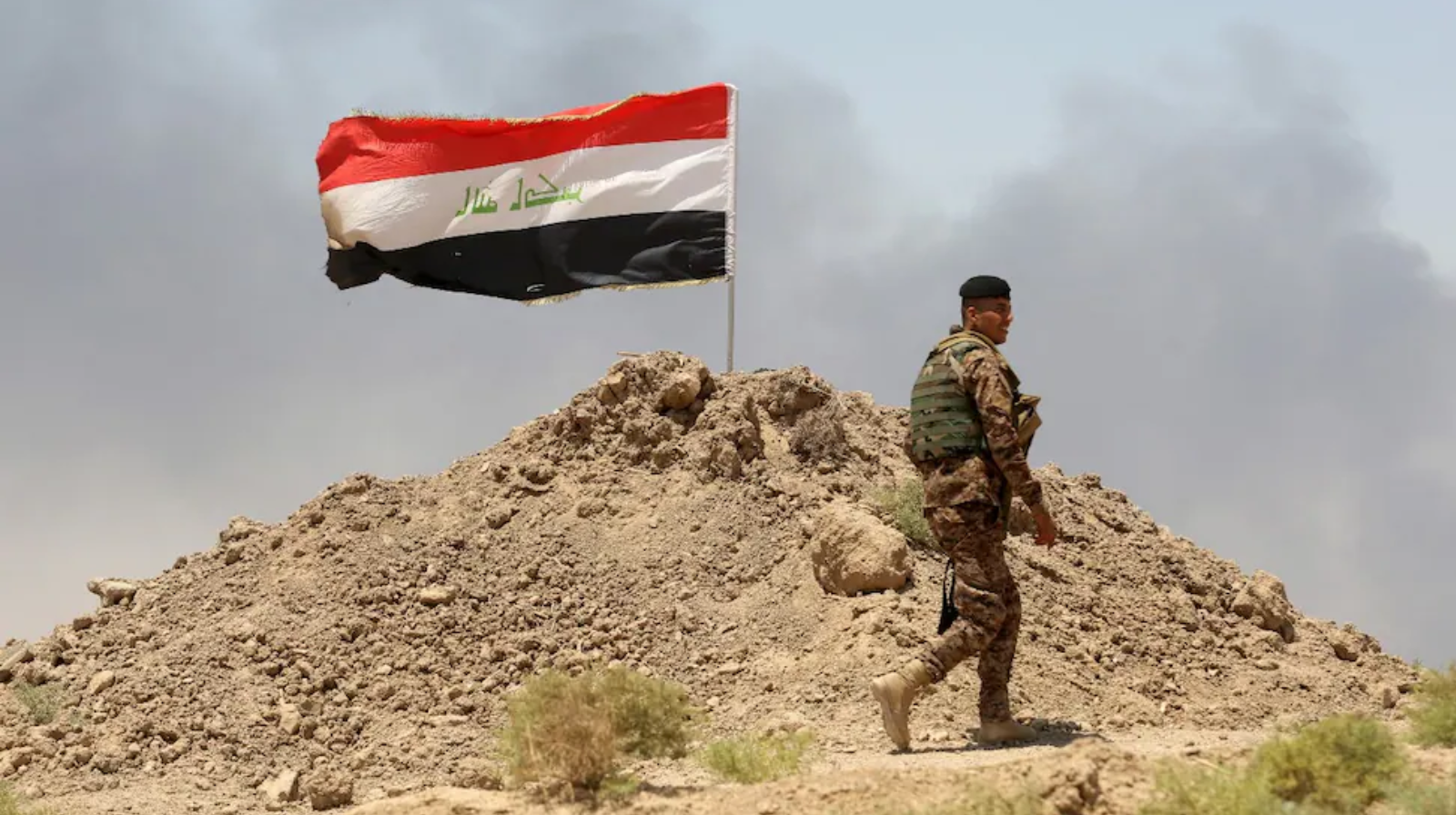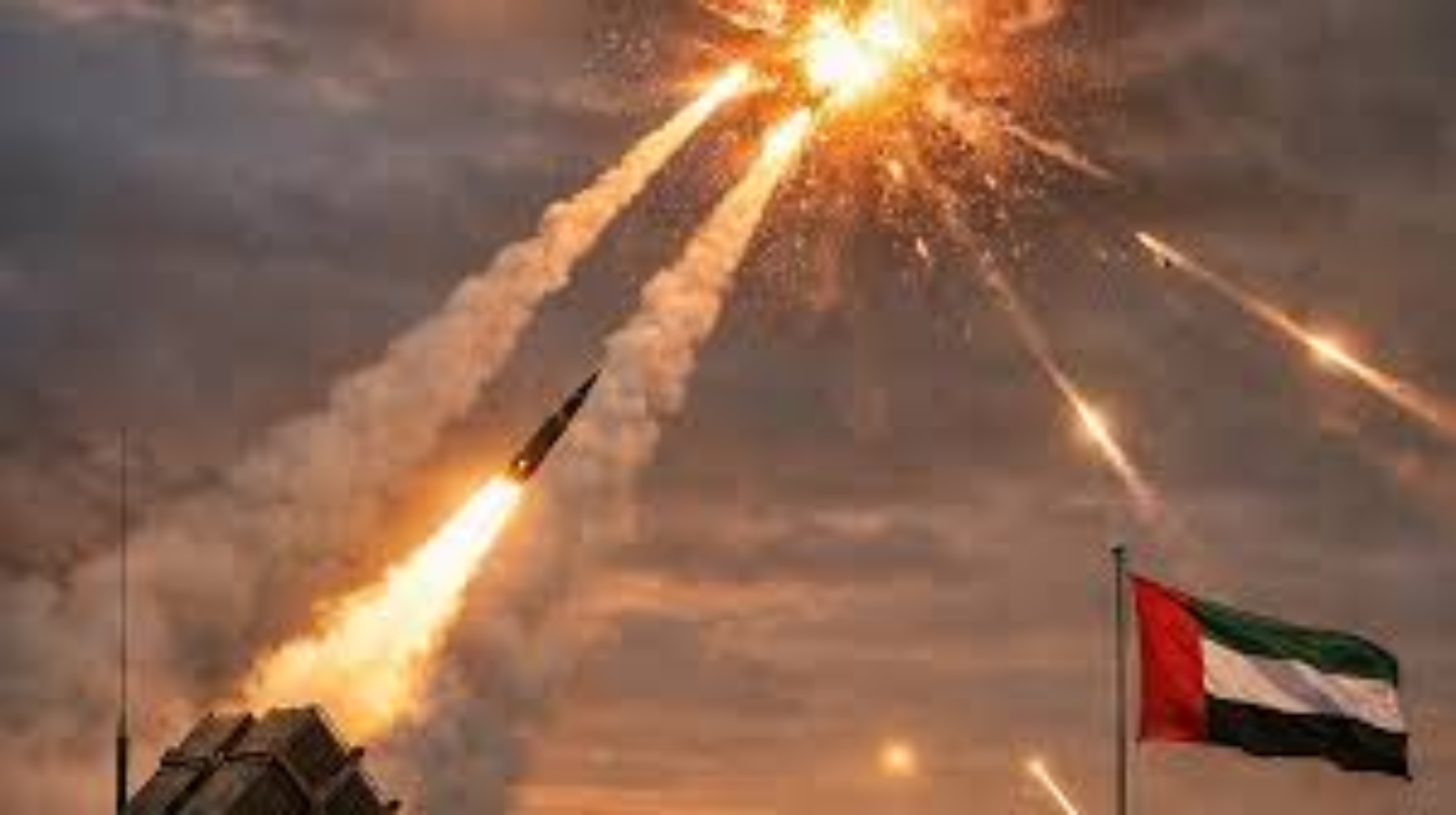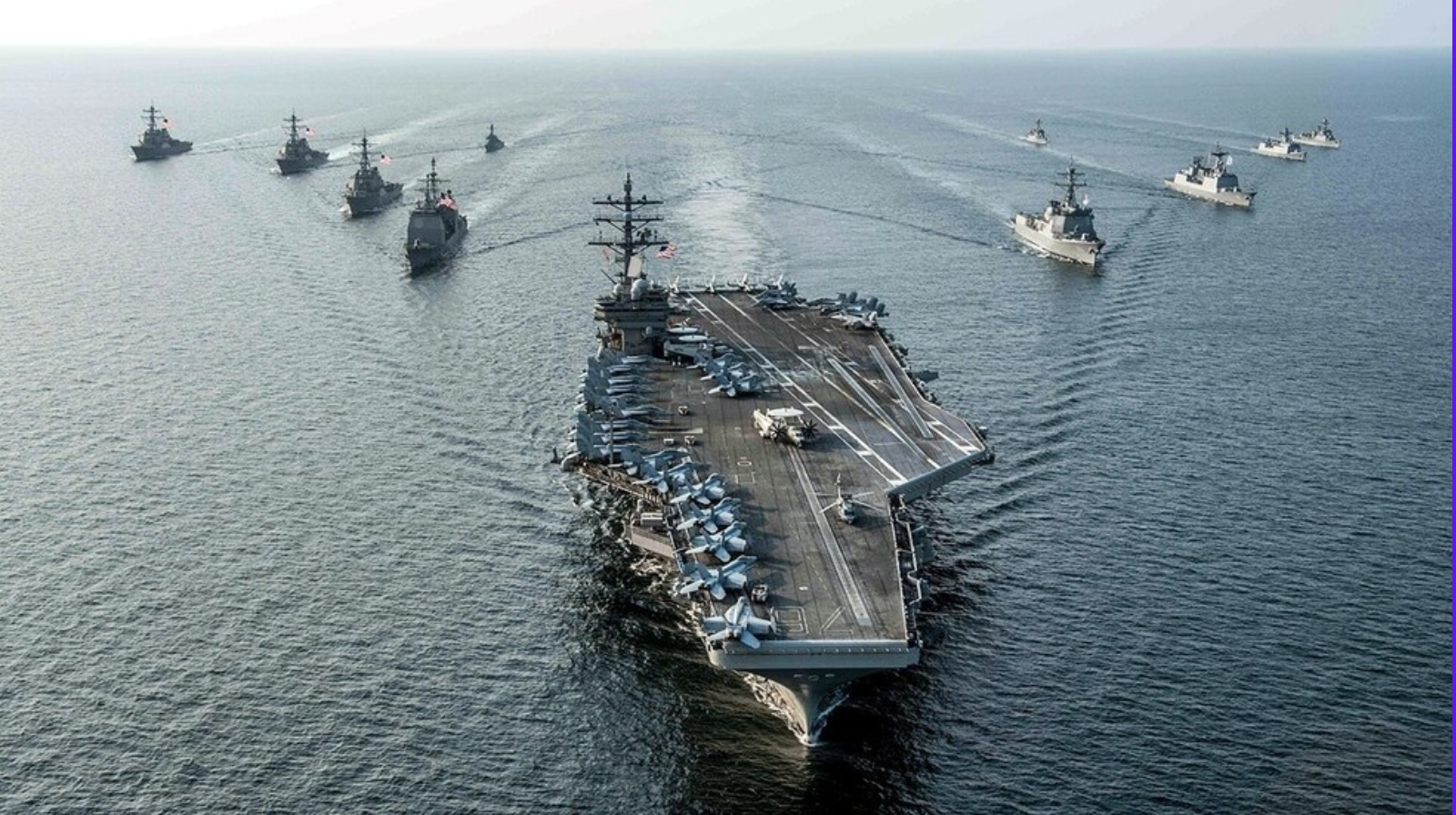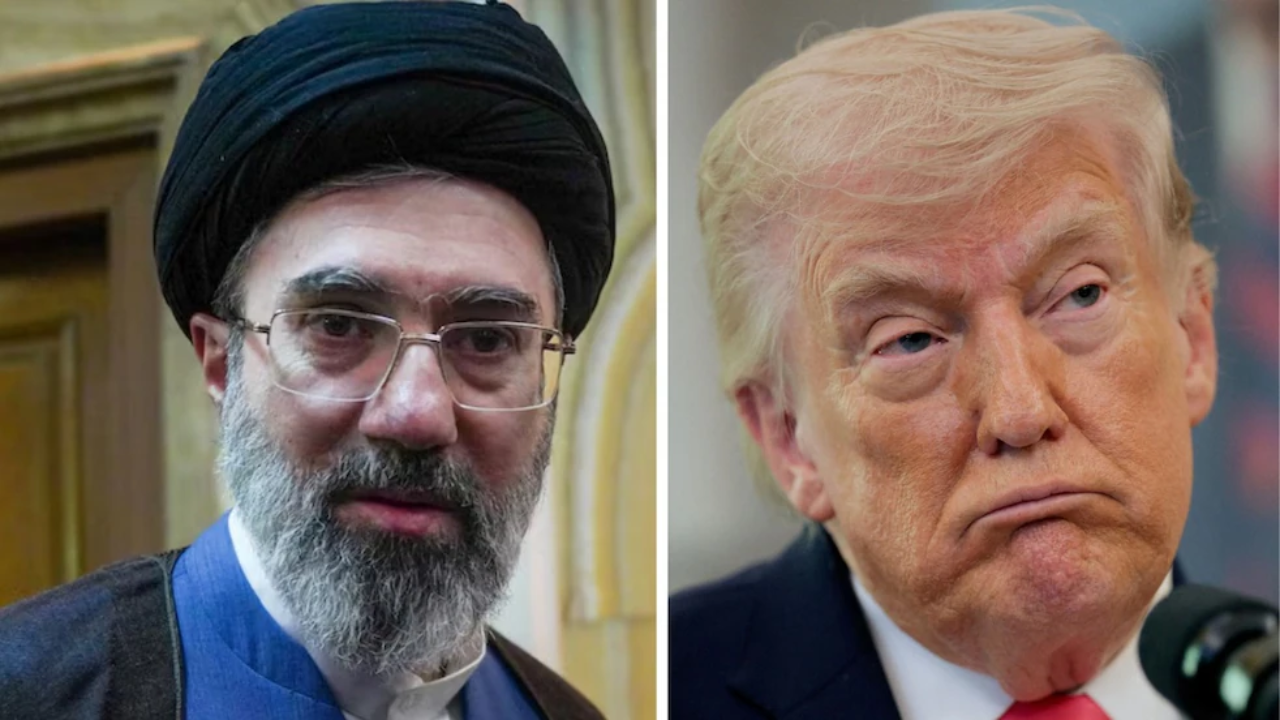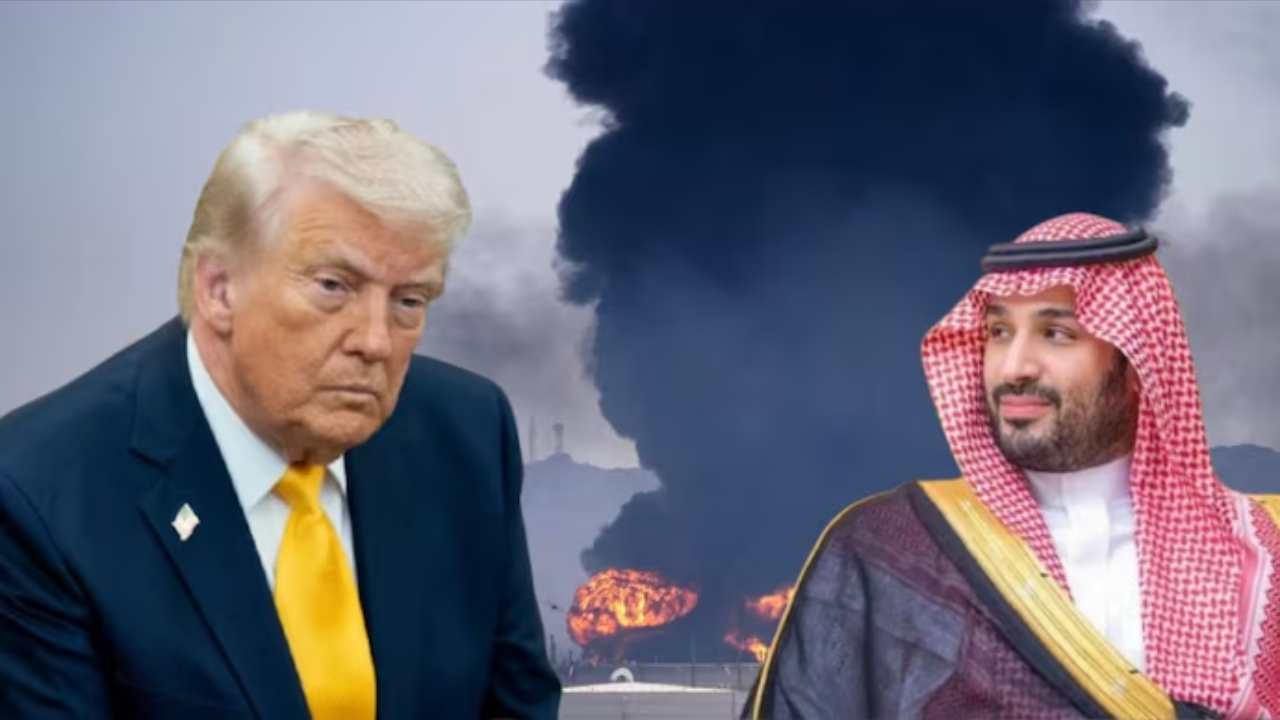
As of March 2026, the question isn’t just about the missiles flying across the Gulf; it’s about who is pointing the finger. While Washington and Tehran are the primary combatants, a growing body of evidence suggests Saudi Arabia is playing a decisive, albeit quiet, role in steering the direction of the war.
Thank you for reading this post, don't forget to subscribe!1. The Shadow Strategy: Advocacy for Regime Change
While the Trump administration officially frames the conflict as a response to Iranian “provocations,” reports of high-level private communications tell a different story.
- The “Head of the Snake” Doctrine: Historically, Riyadh has viewed the Islamic Republic as an existential threat. Leaked intelligence suggests Crown Prince Mohammed bin Salman (MBS) is privately encouraging the U.S. to move beyond “surgical strikes” toward a total dismantling of the Iranian leadership.
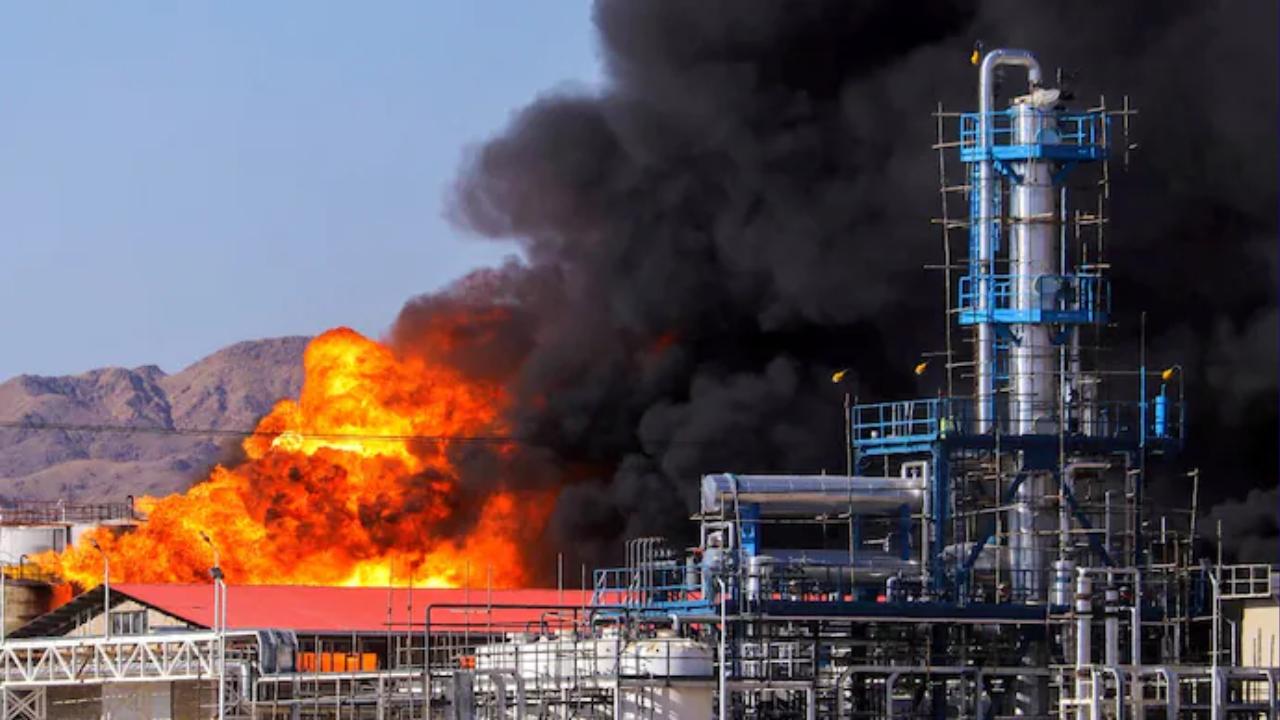
- Economic Sabotage: Behind the scenes, Saudi officials have reportedly provided the U.S. with detailed intelligence on Iranian energy vulnerabilities, specifically urging strikes on Kharg Island. The goal: bankrupt the regime and its regional proxies in one decisive blow.
2. The Public Mask: De-escalation and Vision 2030
Publicly, the Kingdom wears a very different face. They present themselves as a stabilizer, not an instigator.
- Protecting the Portfolio: The Saudi Foreign Ministry consistently emphasizes that war is bad for business. With trillions of dollars tied up in Vision 2030 projects (like NEOM), a regional firestorm is the ultimate “deal-breaker” for foreign investors.
- The Victim Narrative: By framing their involvement as a reluctant response to Iranian strikes on Riyadh’s embassy district, the Kingdom maintains the moral high ground in the UN, portraying their support for U.S. action as “collective self-defense.”
The March 2026 Pivot: From Influence to Action
The dynamic is currently shifting. While they started as the “whisperer” in Washington’s ear, Saudi Arabia is now being forced into the light:
| Front | Saudi Action | Strategic Goal |
| Intelligence | Providing “real-time” targeting data on IRGC positions. | Maximizing the lethality of U.S. air campaigns. |
| Logistics | Opening airspace and basing for U.S. refueling tankers. | Ensuring the U.S. can maintain a 24/7 “siege” posture. |
| Energy | Pledging to flood the market if Iranian oil goes offline. | Preventing a global price spike that would turn U.S. voters against the war. |