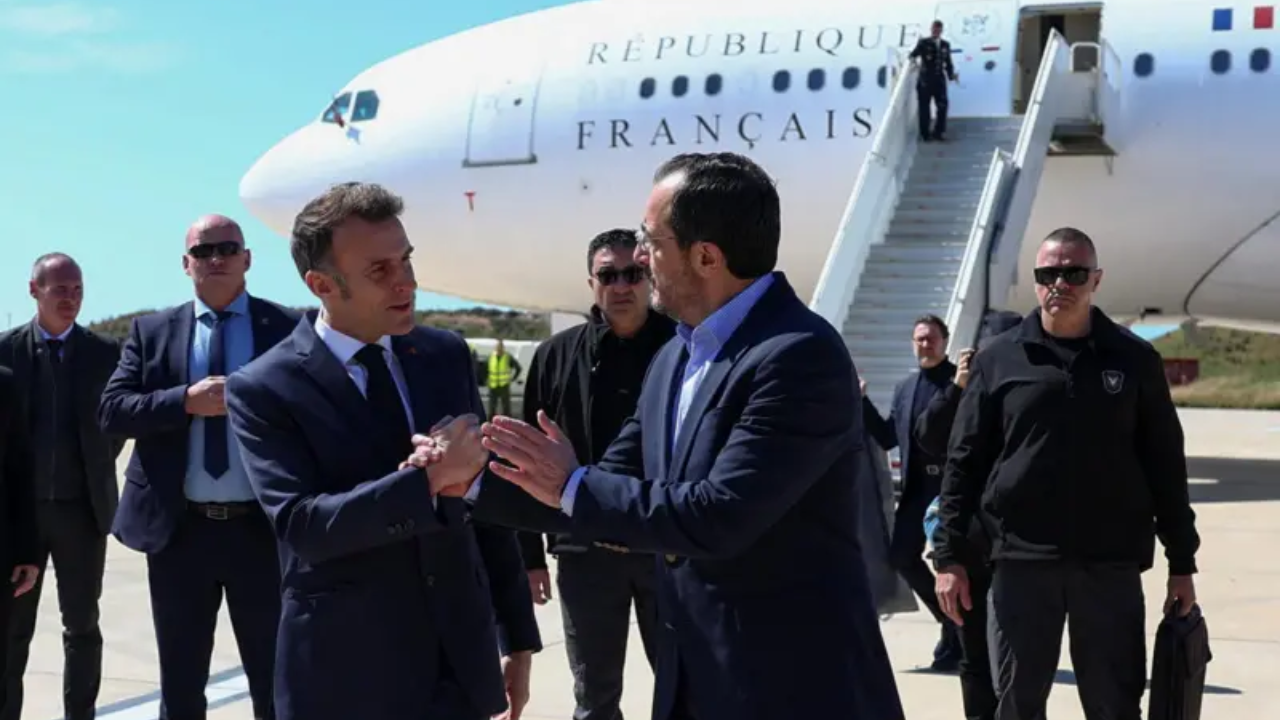
President Emmanuel Macron’s arrival in Nicosia on March 9, 2026, isn’t just a friendly neighbor visit—it’s a calculated display of European “strategic autonomy” that leaves the UK looking a bit sidelined on its own doorstep.
Thank you for reading this post, don't forget to subscribe!The Friction Points
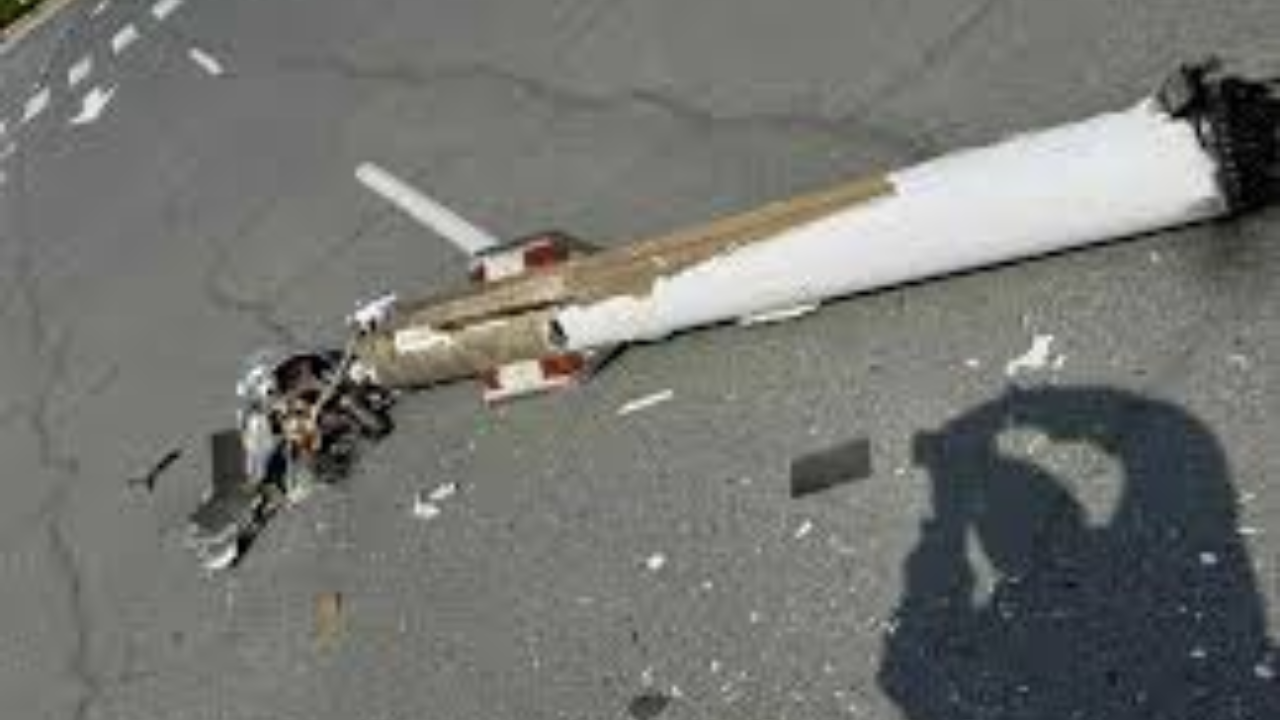
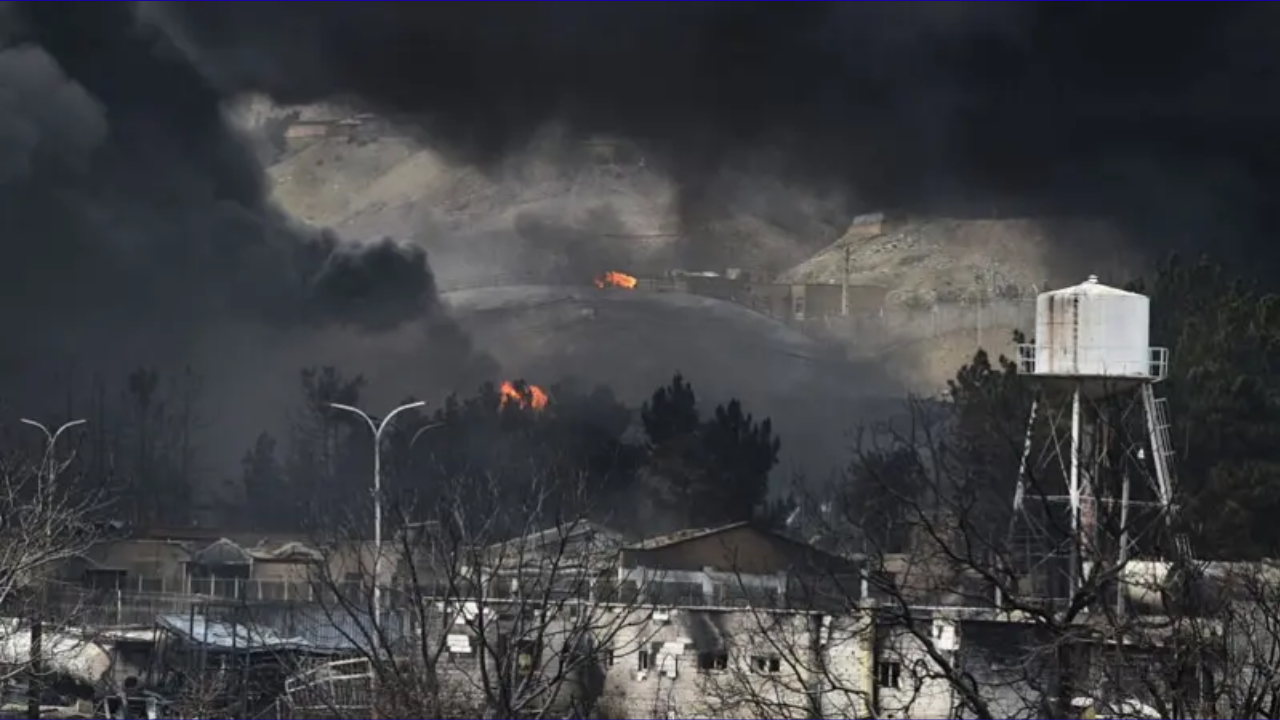
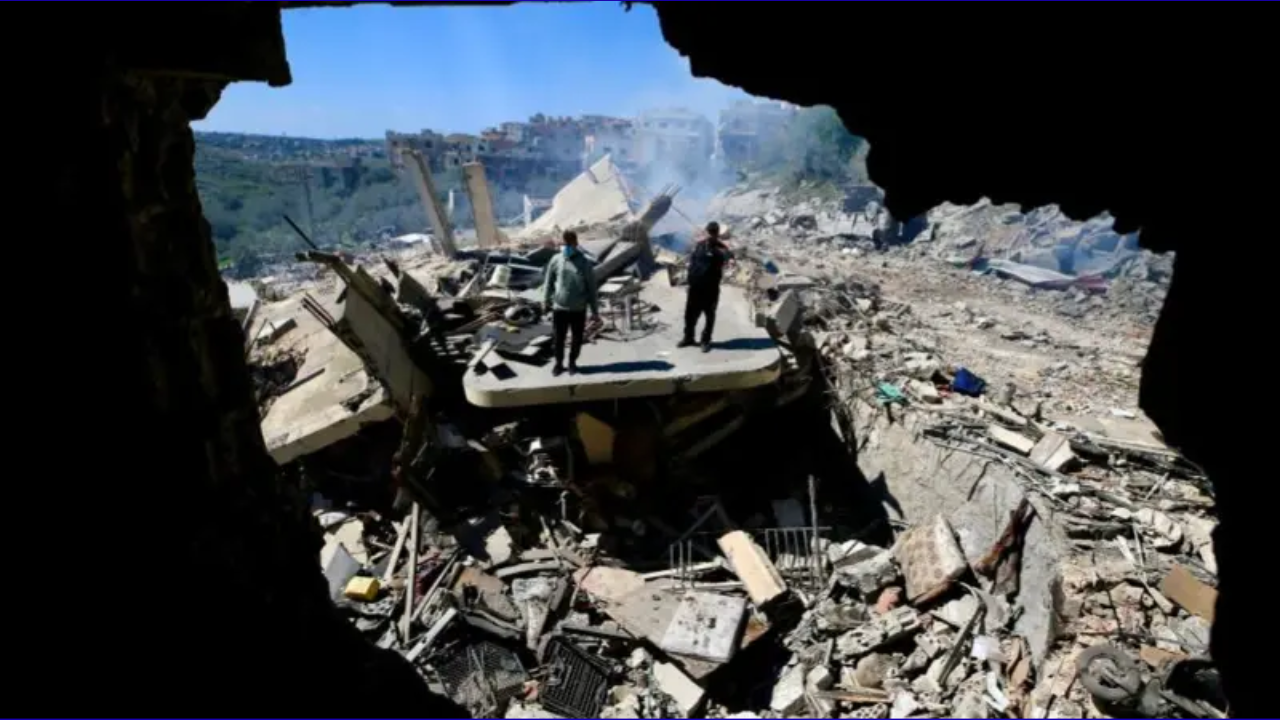
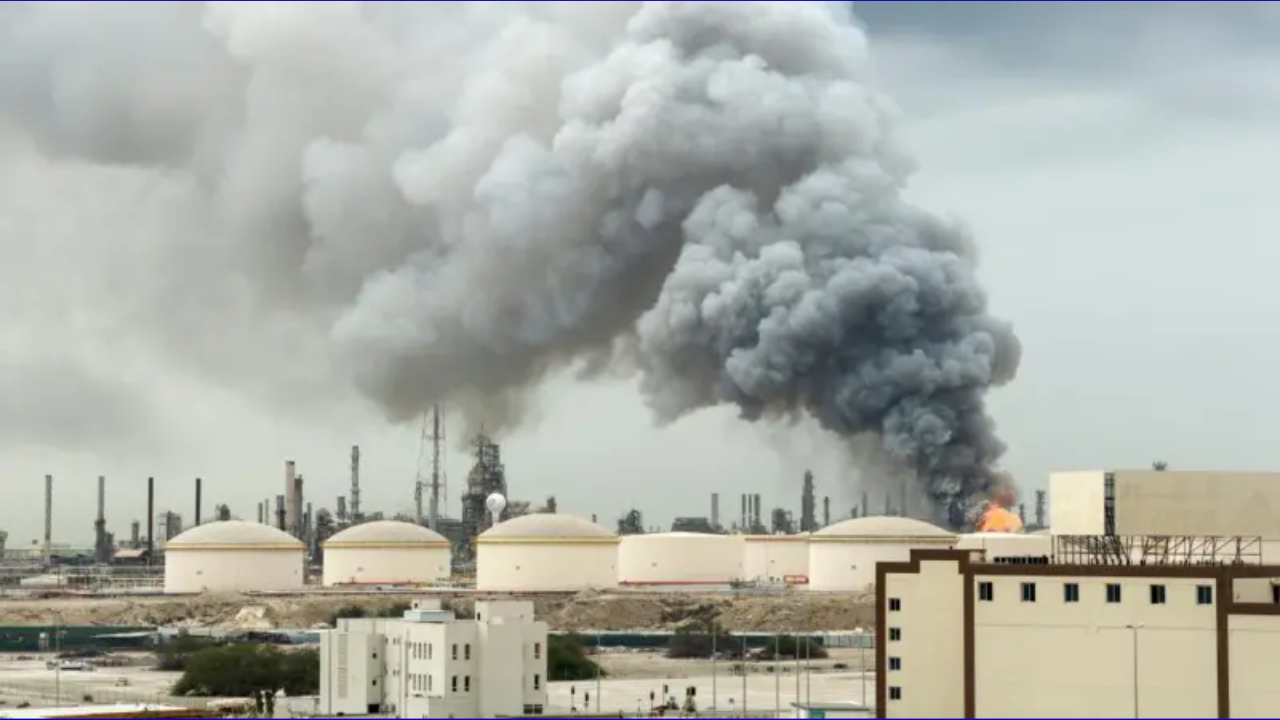
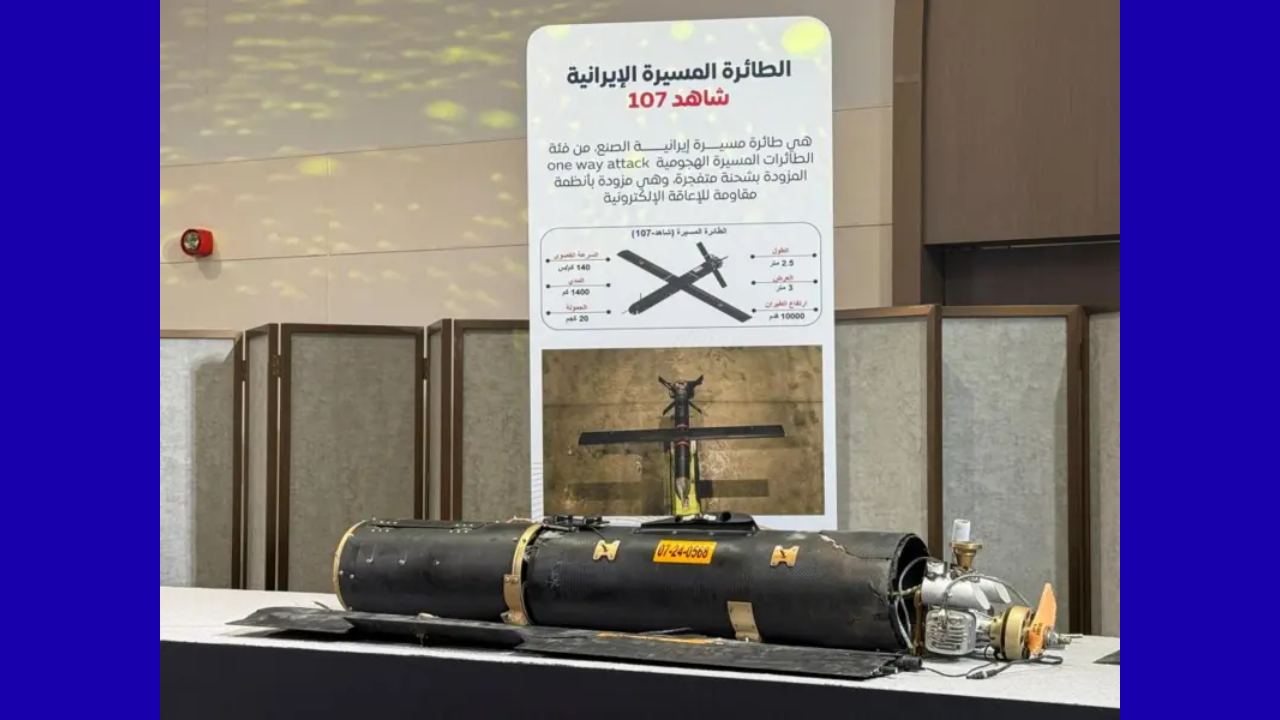
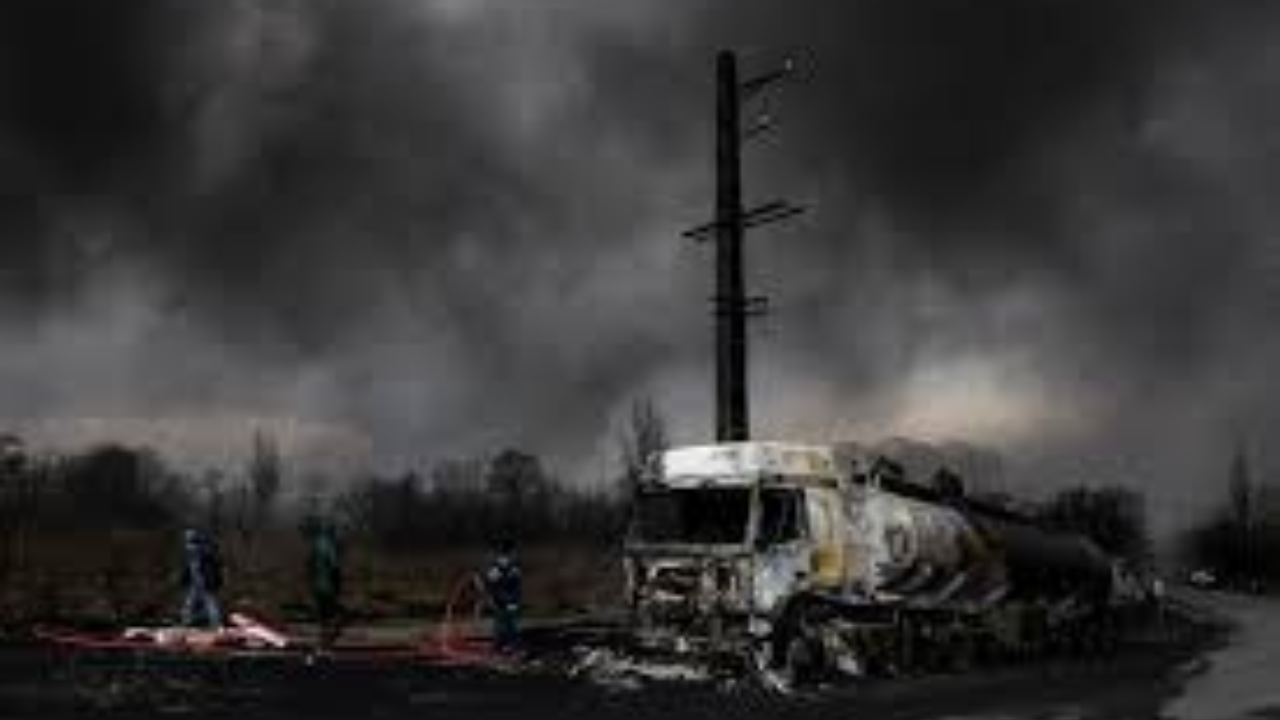
- The “Defender” Identity Crisis: The drone strikes targeted RAF Akrotiri, a British Sovereign Base. However, it is Macron—not a British minister—who is being photographed on the tarmac promising a “shield for Cyprus.” This flips the traditional script where the UK is the primary security guarantor of the island.
- The Post-Brexit Gap: By arriving alongside Greek PM Mitsotakis and deploying the Charles de Gaulle, Macron is framing the defense of Cyprus as an EU-only project. This subtly paints the UK’s presence as a solitary, “colonial” outlier rather than a part of the European security family.
- A Failure to Sync: The optics worsened when Nicosia confirmed that while France and Greece coordinated every move with the Republic of Cyprus, the UK acted on its “own assessment.” This lack of visible teamwork makes the UK look like an uninvited guest in its own neighborhood.
Strategic Optics: France vs. UK
| Feature | France (The “Protector”) | United Kingdom (The “Sovereign”) |
| Vibe | “We are here for our EU brothers.” | “We are here to protect our assets.” |
| Coordination | High-profile trilateral meetings. | Independent operations via SBAs. |
| Messaging | European solidarity and defense. | Maintaining regional stability (post-strike). |
| Hardware | Charles de Gaulle carrier group. | HMS Dragon and F-35 deployments. |
The Bottom Line
For the UK, the visit is a PR nightmare. It reinforces the narrative that while Britain has the hardware (the bases), France has the diplomatic momentum. Macron hasn’t just brought air defenses; he’s brought a reminder that the UK is increasingly navigating the Mediterranean alone.