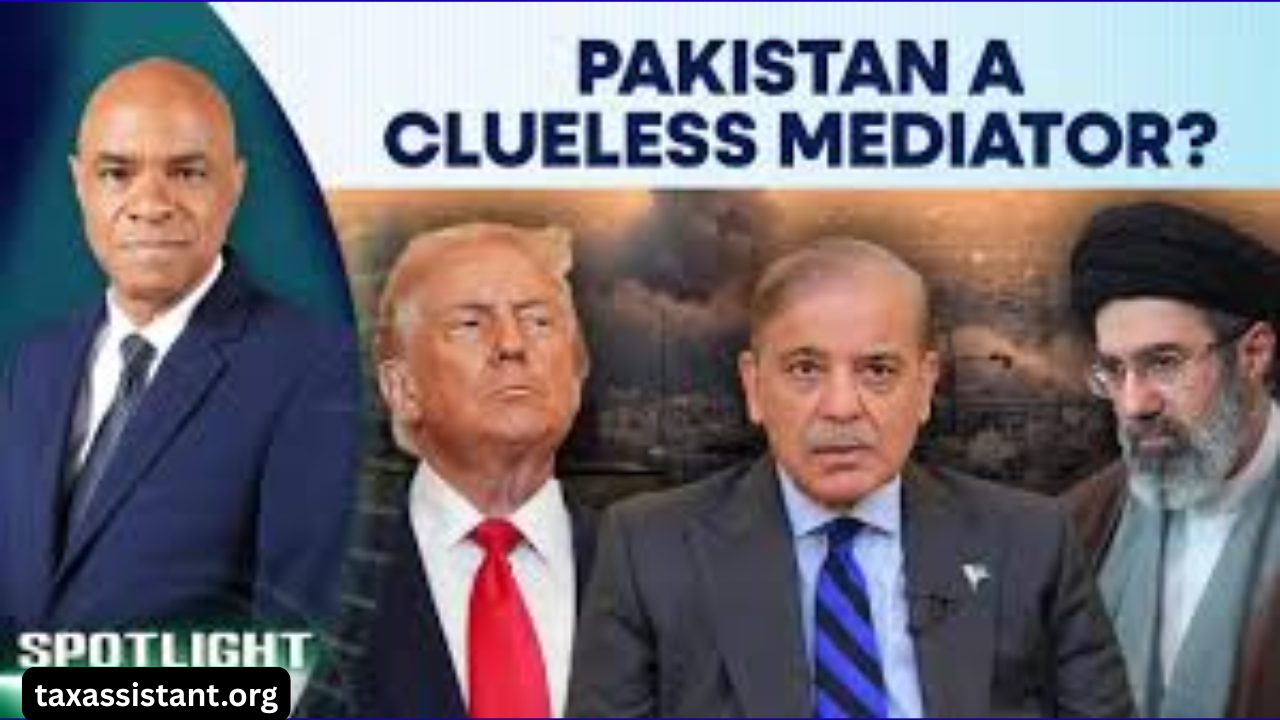
The current diplomatic tension surrounding the April 8, 2026, ceasefire is less about a single point of “blame” and more about a high-stakes breakdown in communication. While some officials point to Pakistan’s role as the mediator, the situation is a complex triangle of conflicting expectations.
Thank you for reading this post, don't forget to subscribe!The Catalyst of Confusion
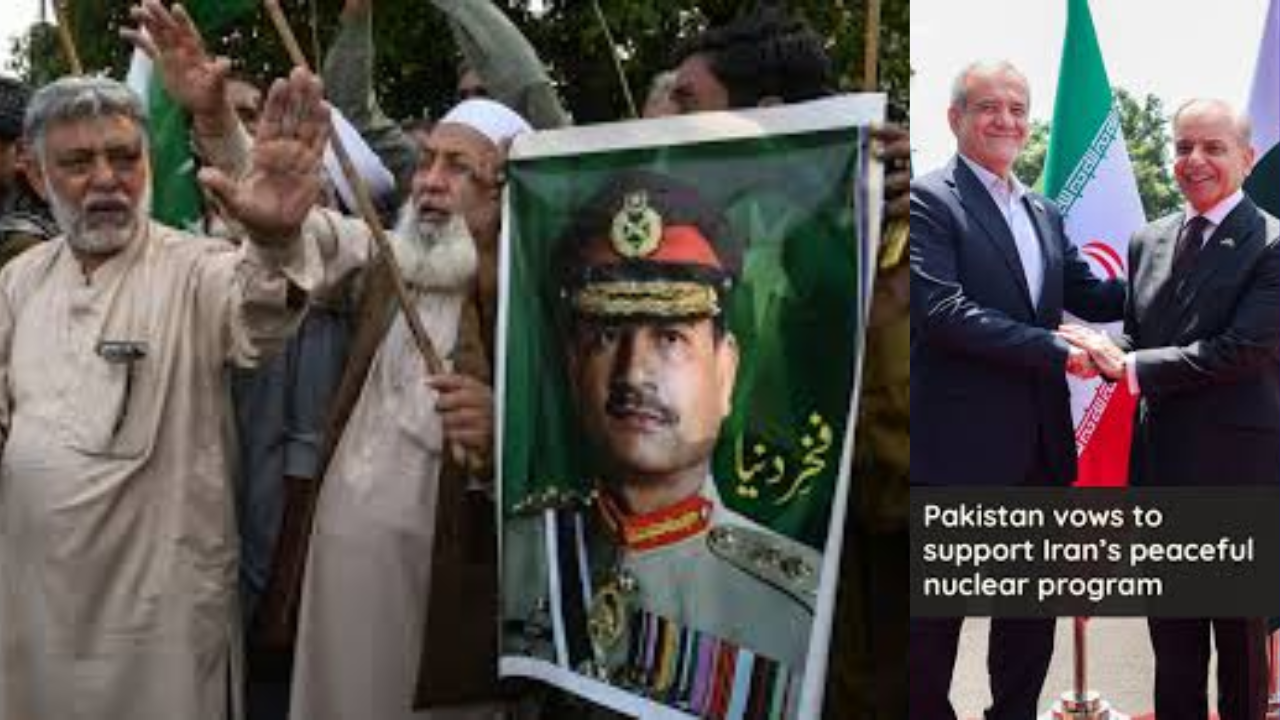
On April 7, Pakistani Prime Minister Shehbaz Sharif announced a breakthrough: a US-Iran ceasefire that supposedly applied “everywhere, including Lebanon.” This specific inclusion of Lebanon is what triggered the immediate diplomatic firestorm:
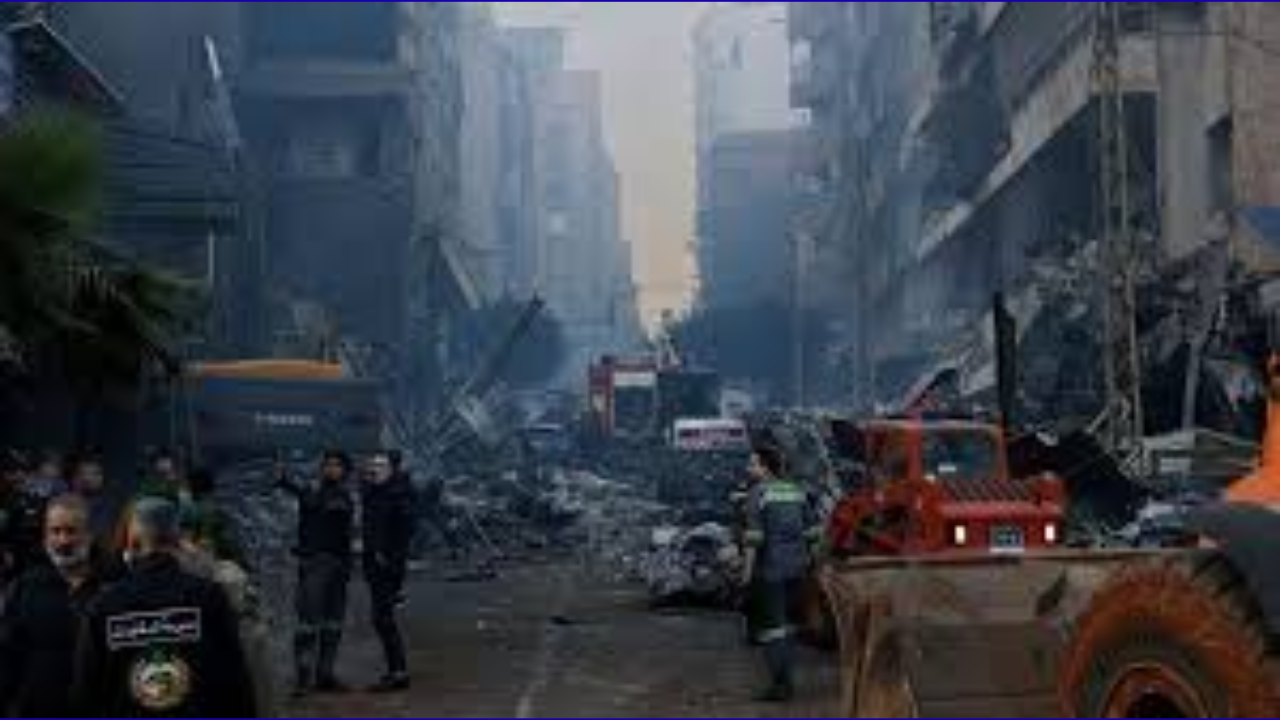
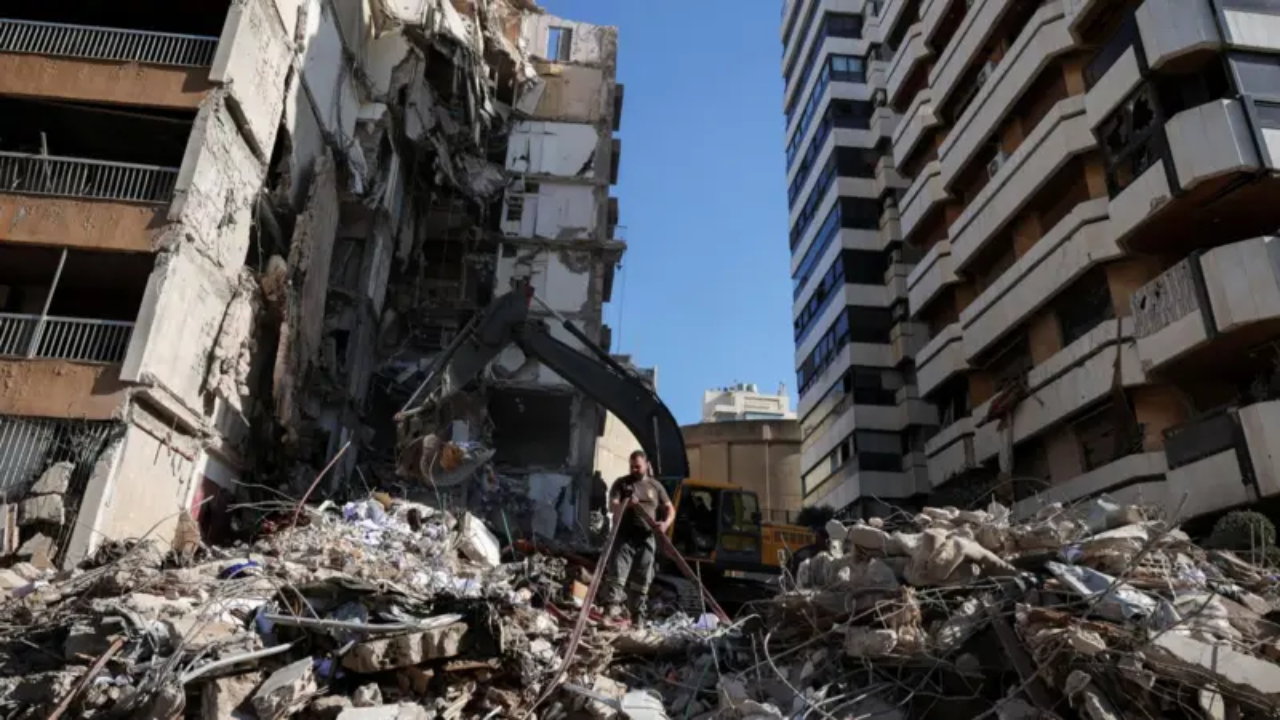
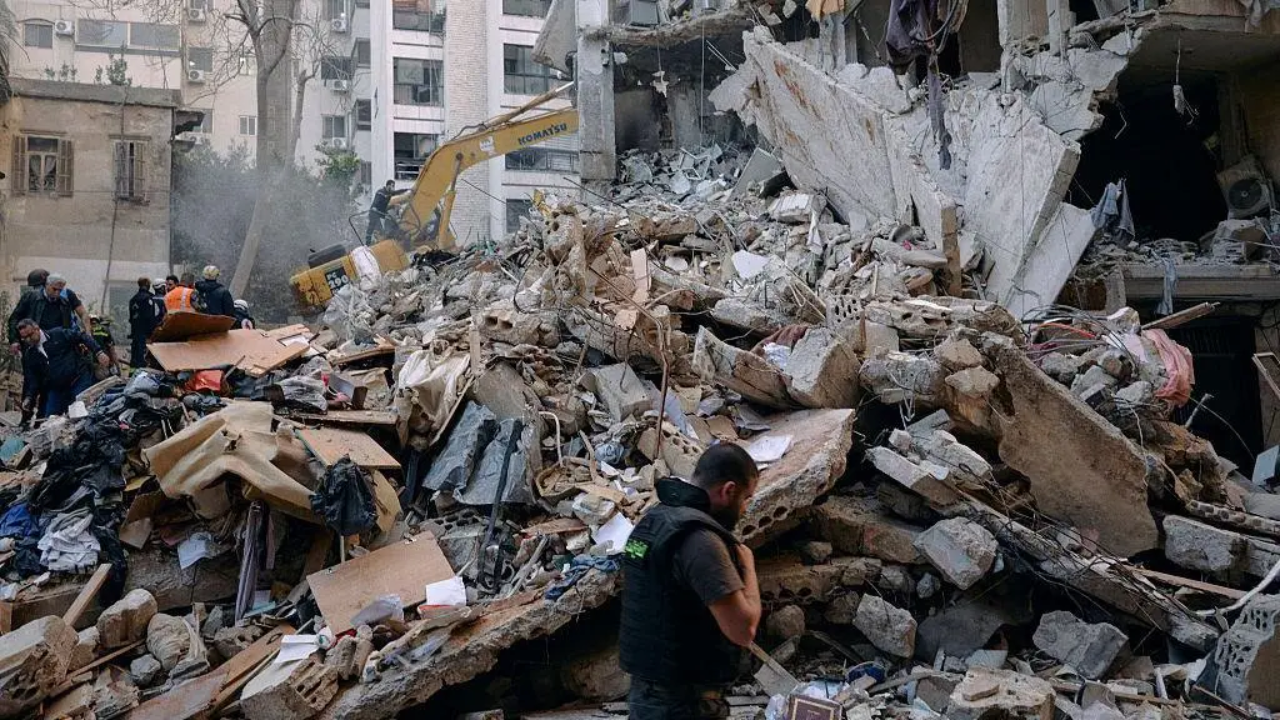
- The Israeli Rejection: Prime Minister Netanyahu’s office denied any such agreement regarding Lebanon, insisting the truce was limited in scope. To underscore this, Israel launched a massive wave of airstrikes against Hezbollah targets shortly after the announcement.
- The American Clarification: Vice President JD Vance characterized the event as a “legitimate misunderstanding.” He noted that while Iran may have operated under the impression that Lebanon was included, the US and Israel viewed the Hezbollah conflict as a separate theater.
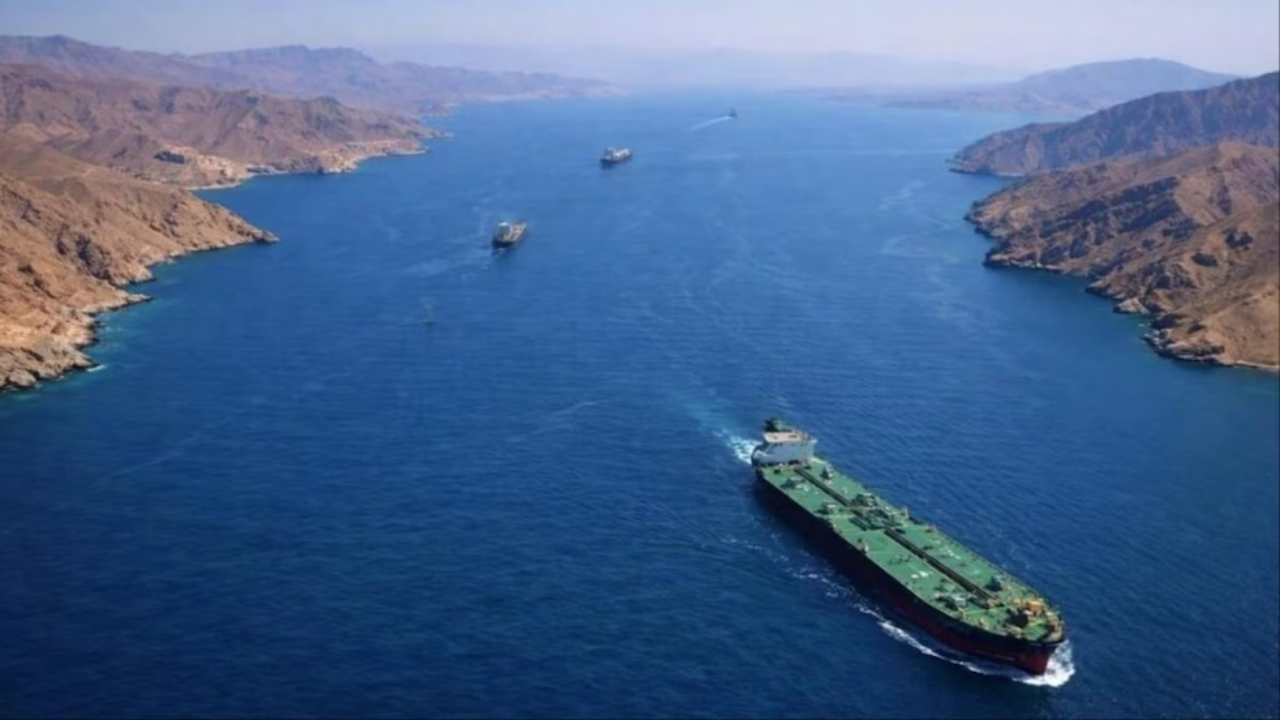
- The Iranian Retaliation: Iranian Foreign Minister Abbas Araghchi accused the West of a “bait-and-switch.” Consequently, Iran has leveraged its control over the Strait of Hormuz, threatening a total blockade if the strikes in Lebanon do not cease.
Pakistan’s Role: Messenger or Architect?
As the primary mediator, Pakistan finds itself in the crosshairs of the “blame game.” Analysts are divided on whether the confusion was a mistake or a strategy:
- Communication Gap: There is a possibility that Pakistan over-interpreted the progress of the talks, presenting a “comprehensive peace” to the public that hadn’t been fully ratified by the Israeli side.
- Constructive Ambiguity: It is also argued that all parties may have allowed for a level of vagueness to get the initial signatures, but that ambiguity proved fatal once kinetic action continued in Lebanon.
A Fragile Peace
The “Islamabad Accord” currently hangs by a thread. While a technical “two-week pause” exists between the US and Iran, the ongoing violence in Lebanon and the looming threat of a maritime blockade in the Strait of Hormuz suggest that the “misunderstanding” may have effectively neutralized the deal’s primary goal of regional stability.