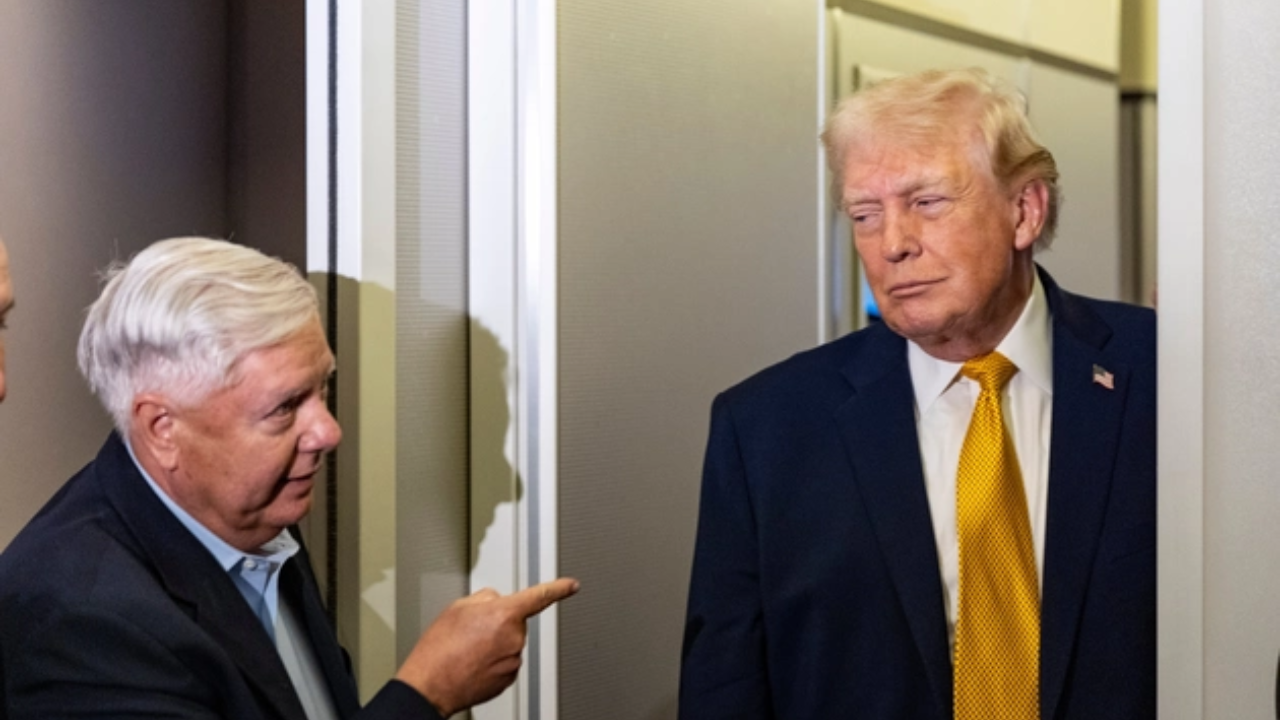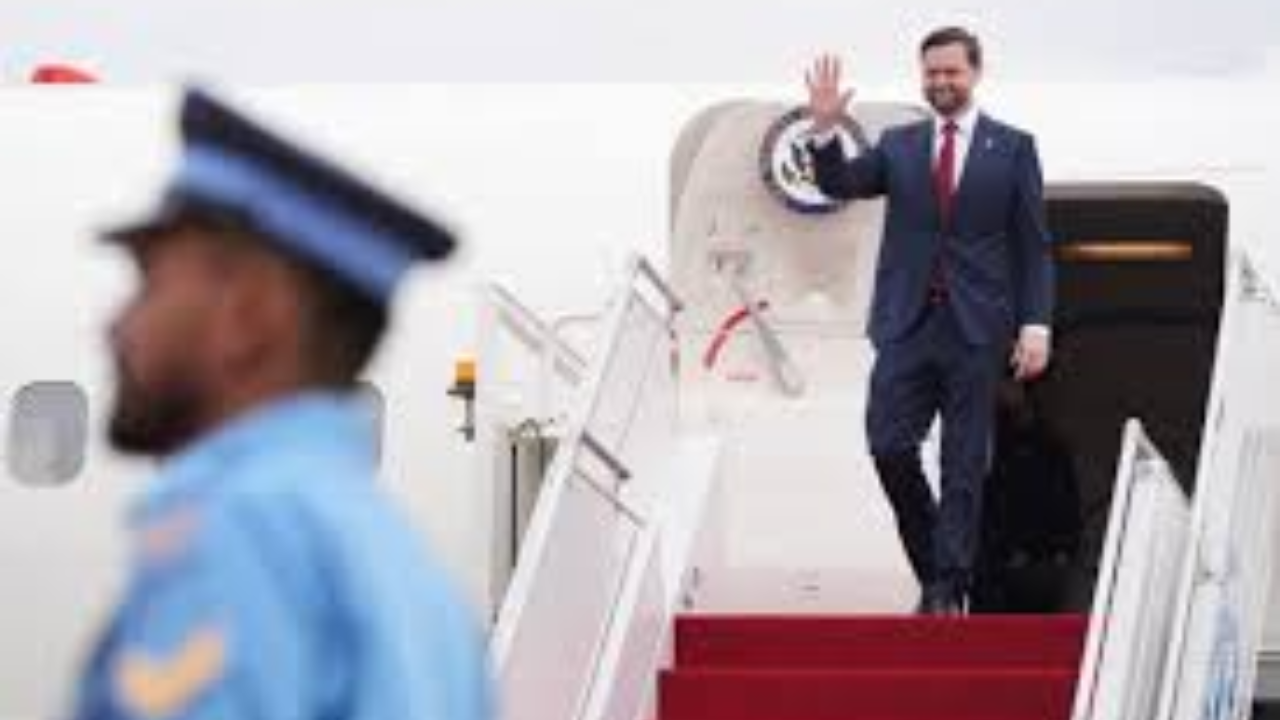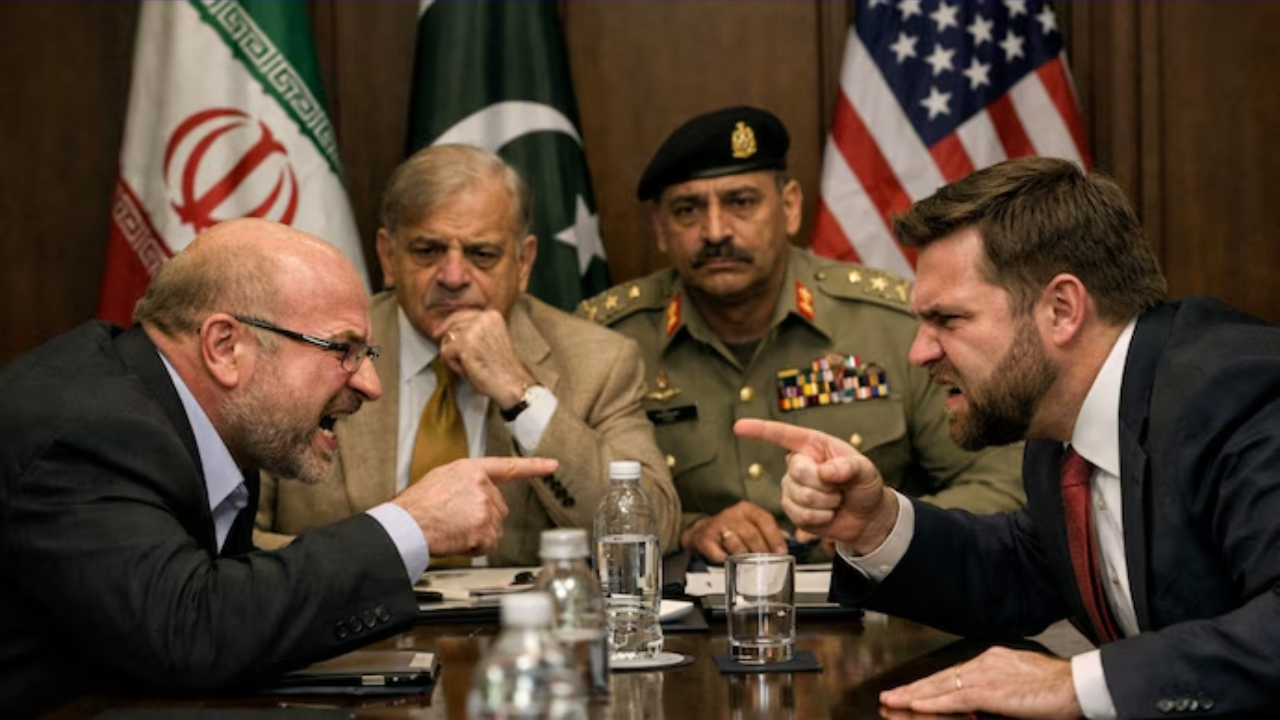
The diplomatic marathon currently unfolding in Islamabad (as of April 11, 2026) has placed Pakistan at the center of a global “high-reward, extreme-risk” maneuver. By mediating between the United States (led by VP JD Vance) and Iran (represented by Speaker Mohammad Bagher Qalibaf), Pakistan has secured a rare seat at the table of global power. But if these talks collapse, the repercussions could haunt the nation’s stability for years.
Thank you for reading this post, don't forget to subscribe!Here is why a breakdown of negotiations would be devastating:
1. The Diplomatic “Squeeze”
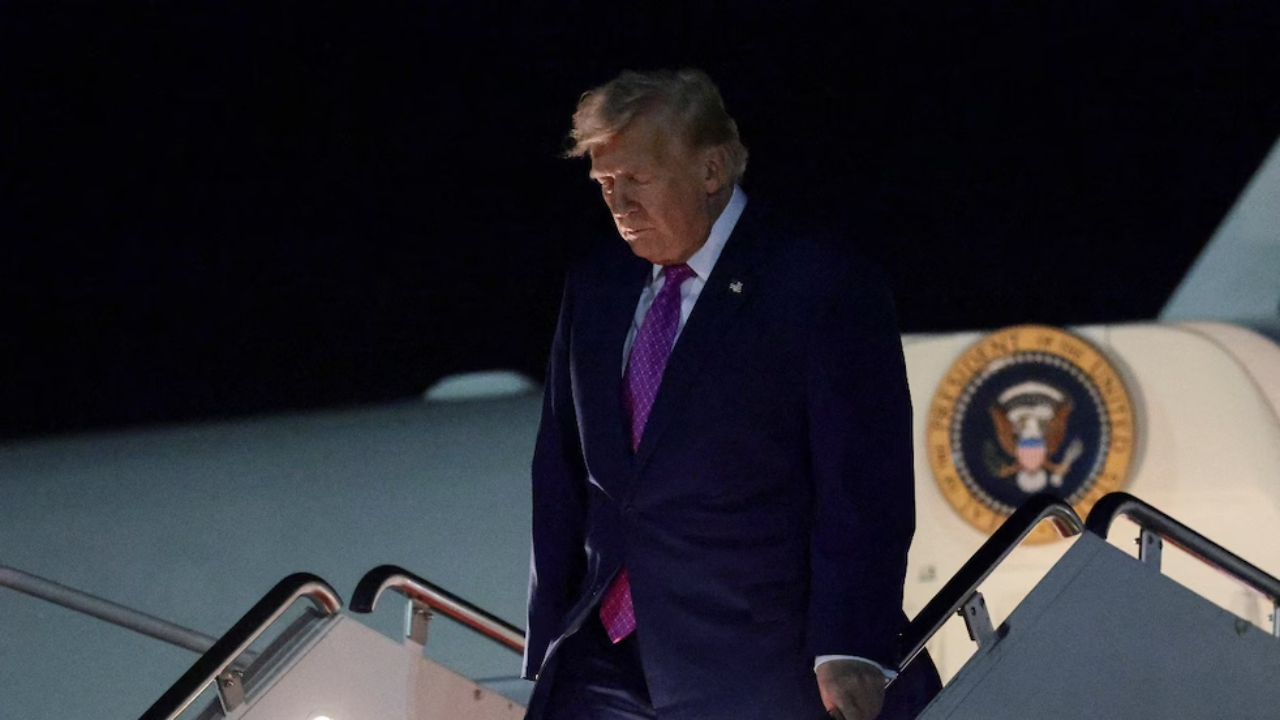
- U.S. Impatience: The Trump administration has already signaled that its patience is finite, with threats to secure the Strait of Hormuz unilaterally. A collapse could see Pakistan branded as an ineffective partner, triggering renewed “maximum pressure” tactics.
- The Iranian Border: With a 900km shared frontier and a large Shia population, Pakistan cannot afford to alienate Tehran. If Iran perceives the Islamabad process as a stalling tactic or a “trap,” cross-border security and internal sectarian harmony could rapidly deteriorate.
2. An Economy on the Brink
- The Growth Penalty: The World Bank warns that continued regional conflict could strip 1 percentage point off global growth. For a country already battling high inflation, a return to full-scale regional war would likely trigger an energy price spike that would be impossible to subsidize.
- Investor Perception: Success would rebrand Pakistan as a stable regional anchor. Failure, conversely, would solidify its image as a “fortress state” under perpetual lockdown, discouraging the very foreign investment required for its survival.
3. Domestic Political Fallout
The “hybrid” leadership of Prime Minister Shehbaz Sharif and Army Chief Asim Munir has staked its domestic credibility on this breakthrough.
- Security Costs: Transforming Islamabad into a high-security zone with 10,000 personnel is a massive financial and logistical drain. A failure would make these measures look like an expensive theater of defeat.
- Public Sentiment: As the public monitors Iran’s 10-point plan, any perception that the government failed to protect regional interests—or allowed a U.S. military escalation—could ignite significant domestic unrest.
The Current State of Play (April 11, 2026)
- Key Players: VP JD Vance and Jared Kushner (USA); Mohammad Bagher Qalibaf (Iran).
- The Deadlock: Iran seeks the release of $6 billion in frozen assets and a halt to strikes in Lebanon. The U.S. demands a permanent end to Iran’s nuclear path and guaranteed safety for global oil shipments.
The Bottom Line: For Pakistan, these talks aren’t just about regional peace—they are a fight for its own future. Failure wouldn’t just be a missed opportunity; it would be a catalyst for a new era of isolation and instability.