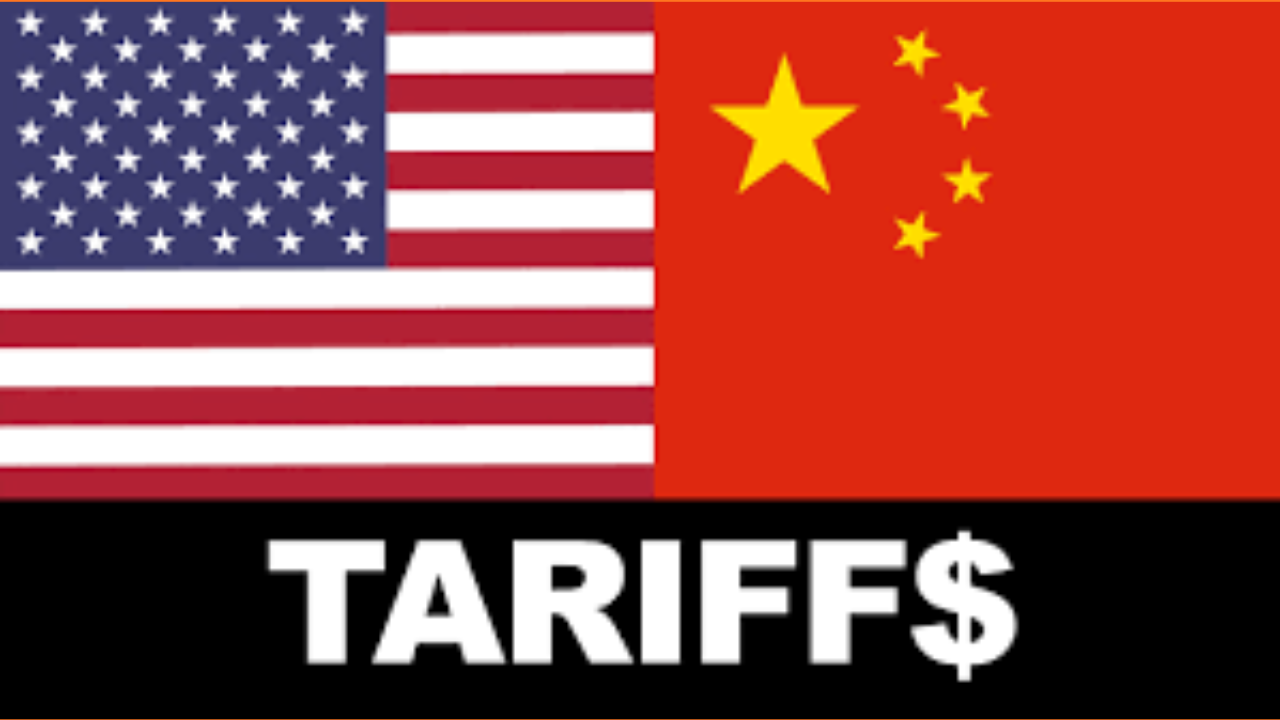
Prime Minister Carney is attempting to navigate a “trade minefield” as he meets with President Xi Jinping. At the heart of the talks is a tit-for-tat dispute that has crippled specific sectors of the Canadian economy.
Thank you for reading this post, don't forget to subscribe!1. The Tit-for-Tat Conflict
- The Catalyst: In 2024, Canada followed the U.S. lead by imposing a 100% tariff on Chinese electric vehicles (EVs) and a 25% levy on steel and aluminum.
- The Retaliation: Beijing responded by targeting Canada’s agricultural heartland, slapping punitive duties on canola (up to 76%), pork, and seafood.
- The Offer: China has signaled it will drop the agricultural barriers if Canada reduces or eliminates the 100% EV tariff.
2. Domestic Rift: Ontario vs. The Prairies
The Carney government is caught between the competing economic interests of two major regions:
- The Manufacturing Core (Ontario): Premier Doug Ford has urged Carney “not to back down,” warning that lifting EV tariffs would threaten over 150,000 auto jobs. Ford’s stance is clear: Chinese automakers should only get relief if they build manufacturing plants in Ontario using local labor.+1
- The Agricultural West (Saskatchewan & Manitoba): Premiers in the Prairies are pushing for a deal. With the U.S. market becoming increasingly protectionist under Donald Trump, farmers are desperate to regain access to China, their largest export market for canola.+1
3. The “Washington Shadow”
Perhaps the biggest hurdle isn’t in Beijing, but in Washington.
- Trump’s Warning: The U.S. administration has threatened a 40% “transshipment” tariff on any goods entering the U.S. via third countries if they contain significant Chinese content.
- CUSMA Risks: With the CUSMA (USMCA) review looming in July 2026, any deal Carney strikes with China that lowers EV barriers could be viewed by Washington as a “back door” for Chinese goods, potentially jeopardizing Canada’s access to the U.S. market.
The Path Forward: The “European Model”?
Insiders suggest Carney may look to the European Union’s compromise as a template. Instead of a flat 100% tariff, Canada could move toward:
- Minimum Import Prices: Requiring Chinese EVs to be sold at a floor price to prevent “dumping.”
- Phased Quotas: Gradually reducing tariffs in exchange for guaranteed agricultural purchase volumes.
- Investment Mandates: Conditioning lower tariffs on Chinese companies investing in Canadian battery or assembly plants.