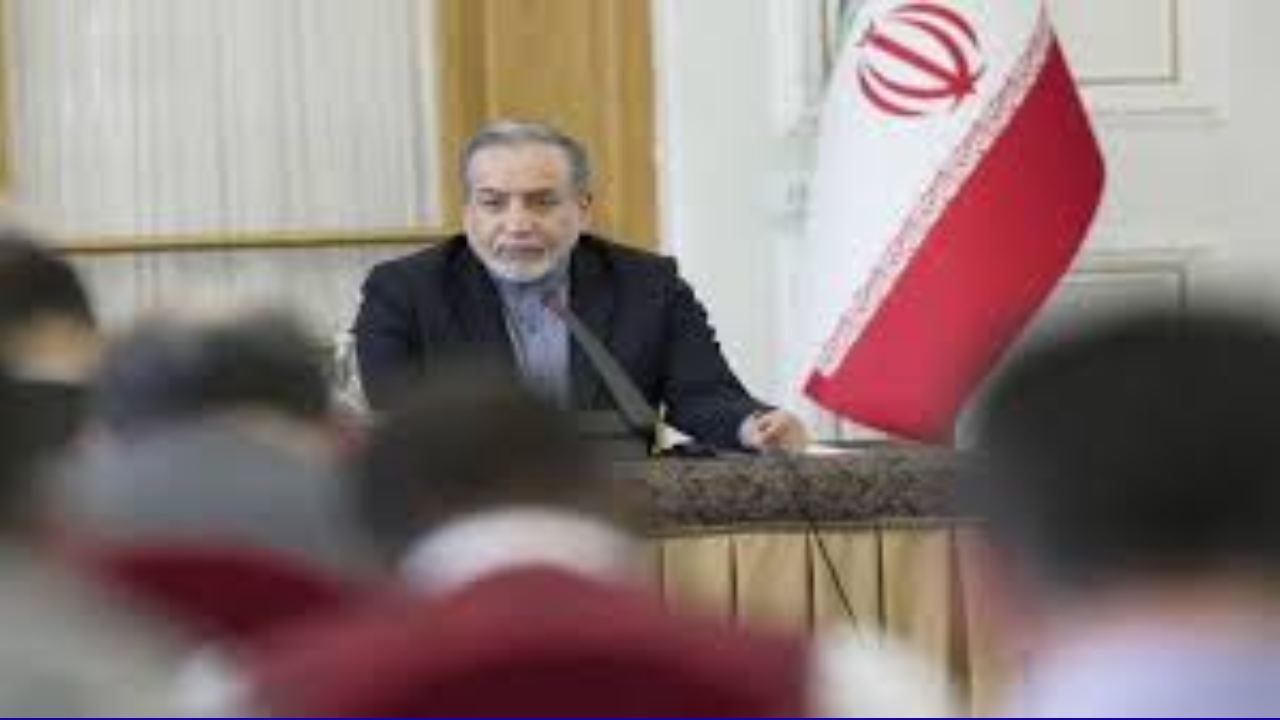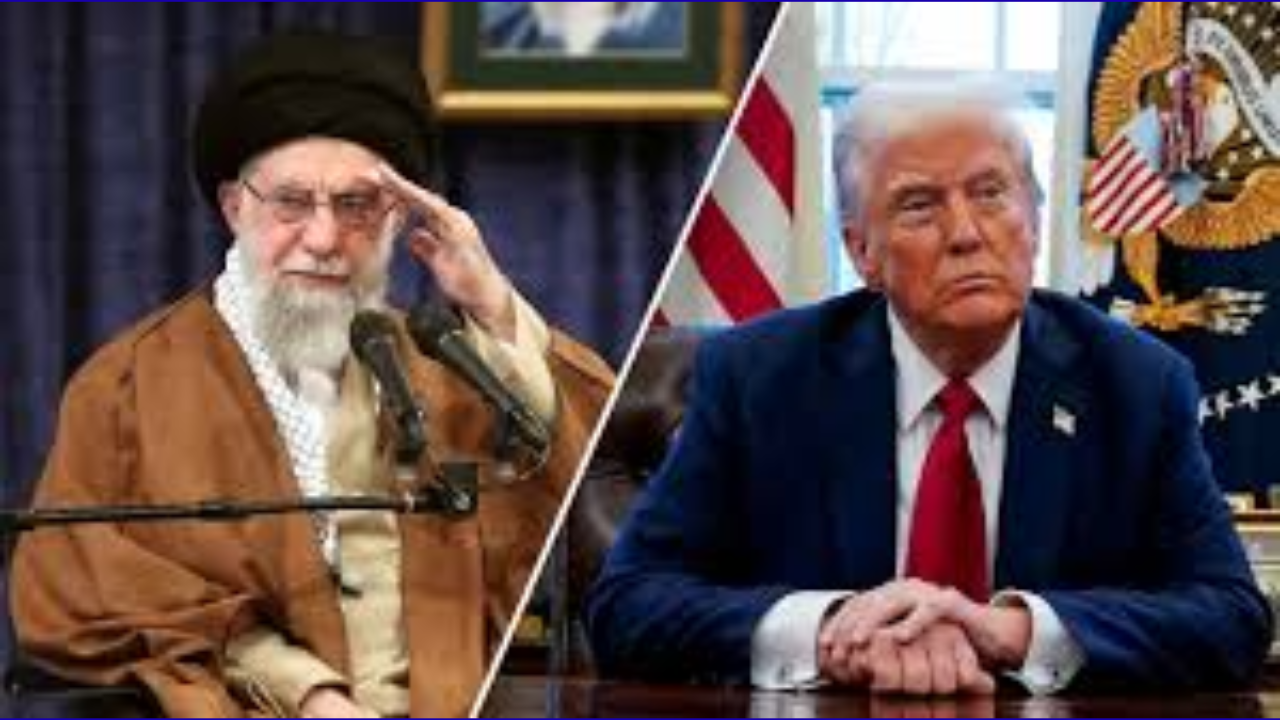
The upcoming negotiations in Islamabad face a daunting array of interconnected challenges. While the nuclear standoff remains the central issue, the scope of the conflict has expanded into maritime security, regional sovereignty, and economic reparations.
Thank you for reading this post, don't forget to subscribe!Here is a refined look at the primary “non-starters” and complexities currently facing negotiators:
The Immediate Hurdles
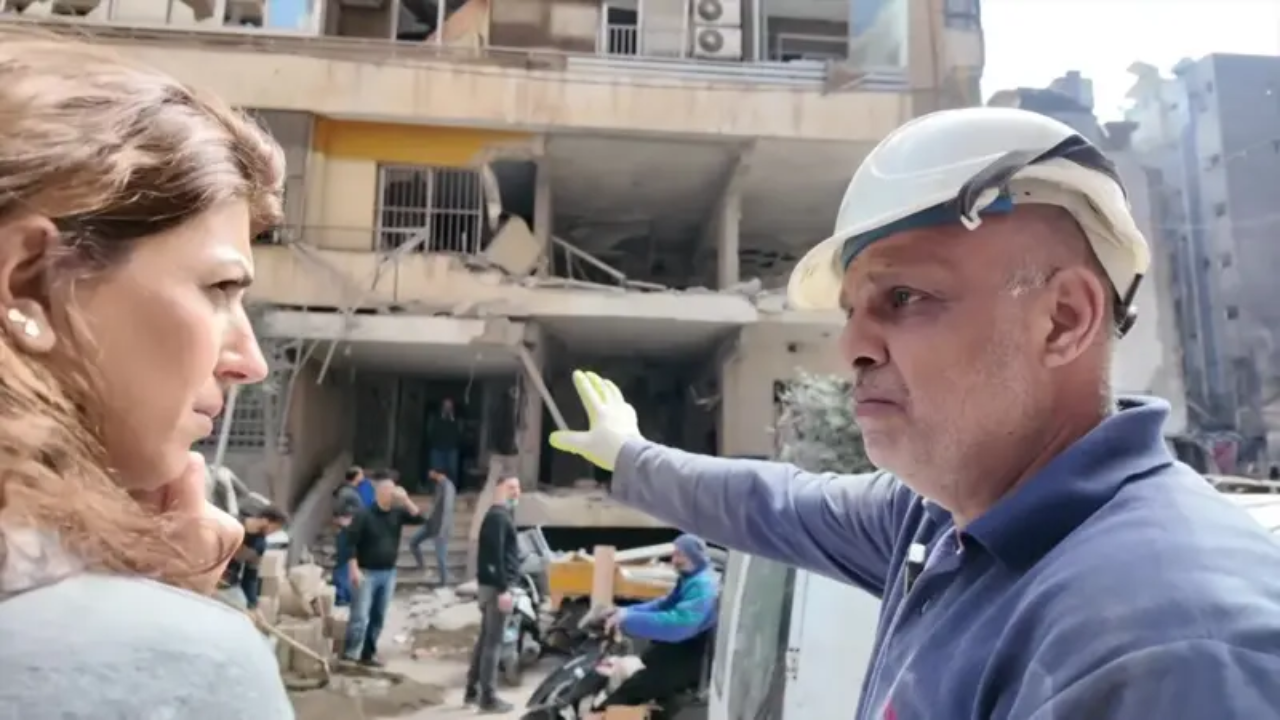
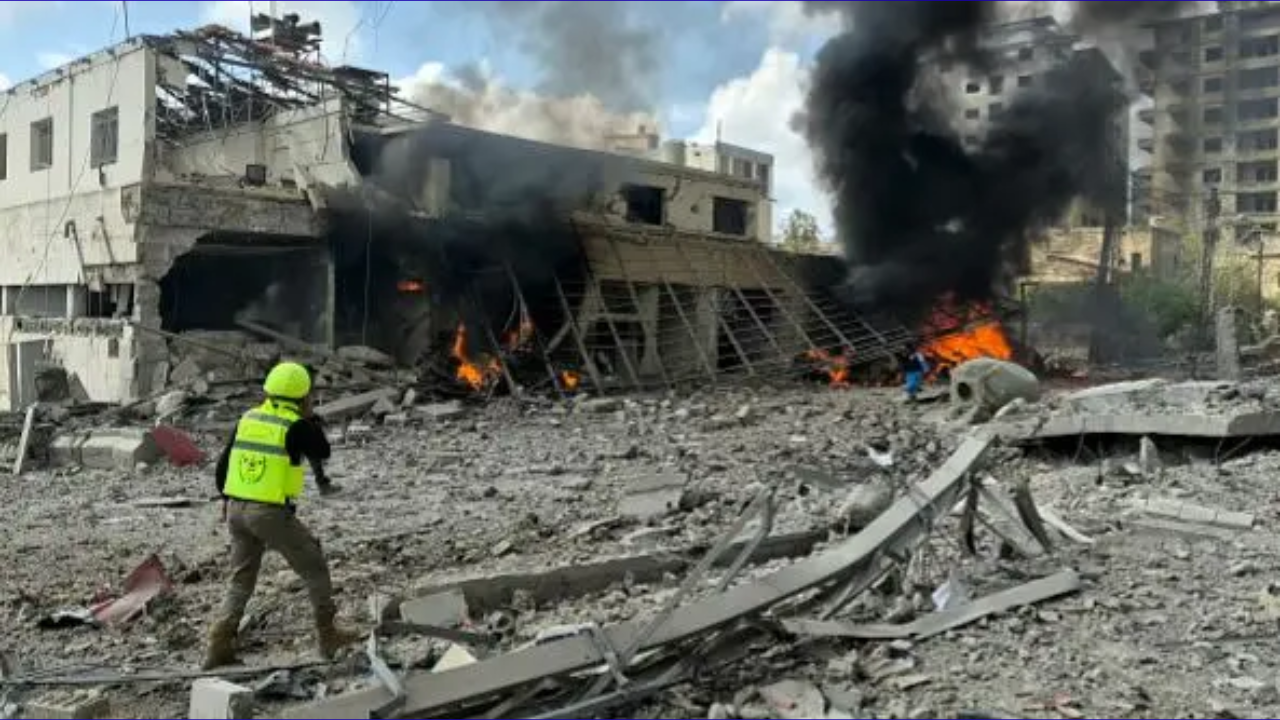
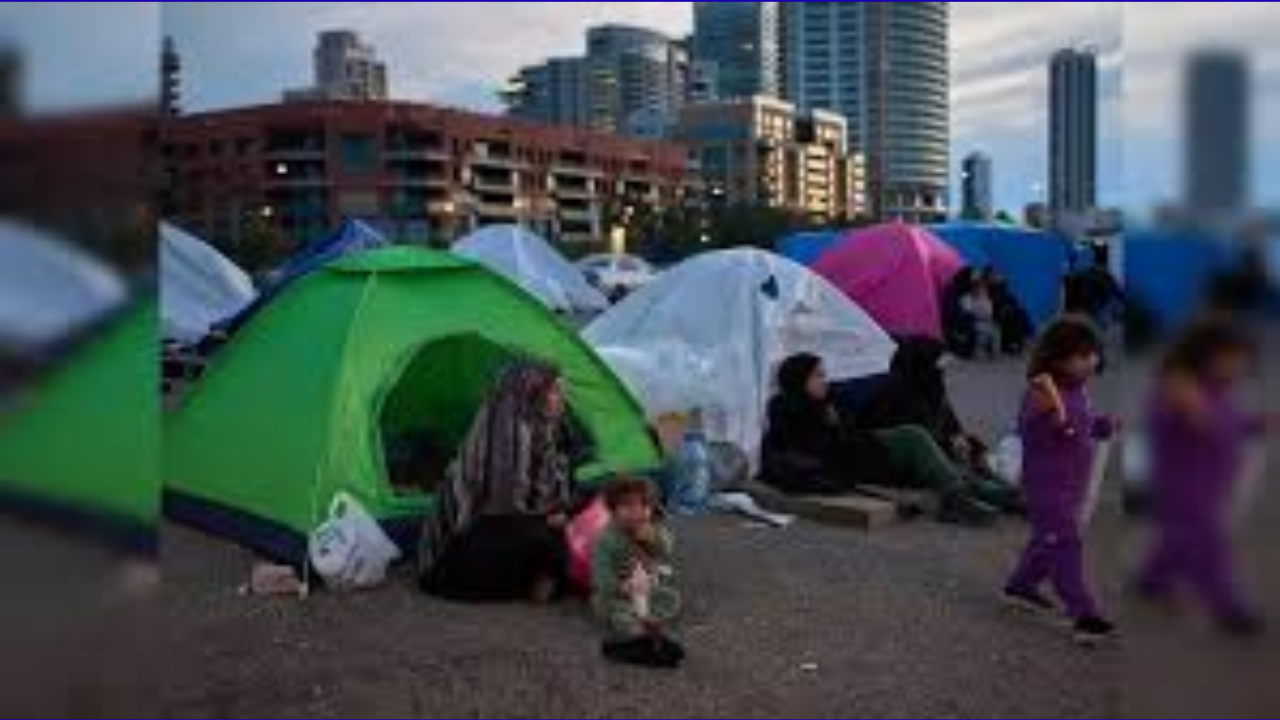
- Lebanese Ceasefire: Establishing a halt to hostilities in Lebanon as a baseline for discussion.
- Asset Liquidity: Demanding the unfreezing of billions of dollars in Iranian assets currently held in international banks.
The Nuclear Technicalities
- Enrichment Levels: Iran has moved uranium enrichment far beyond civilian needs, creating a significant “breakout” concern for Western powers.
- The Isfahan Inventory: A major point of contention involves material located under the ruins of a facility near Isfahan; the U.S. wants this handed over, while Iran maintains its right to enrich is a sovereign, non-negotiable fact.
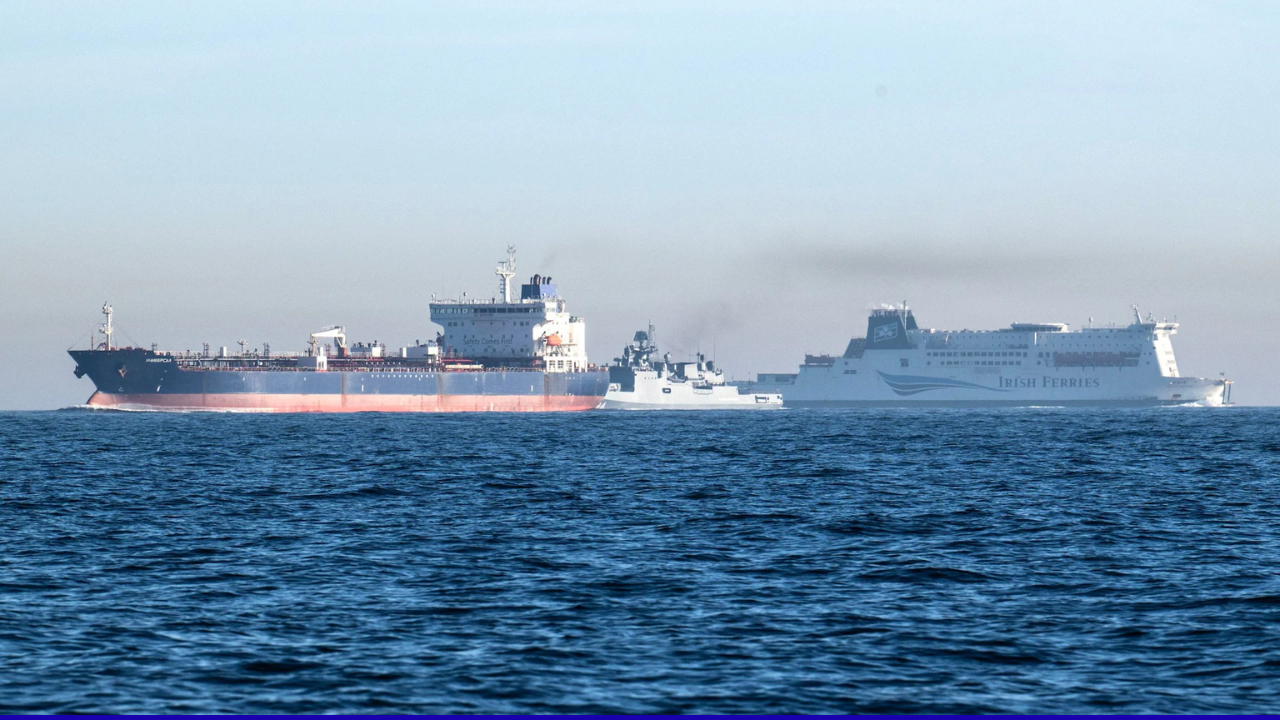
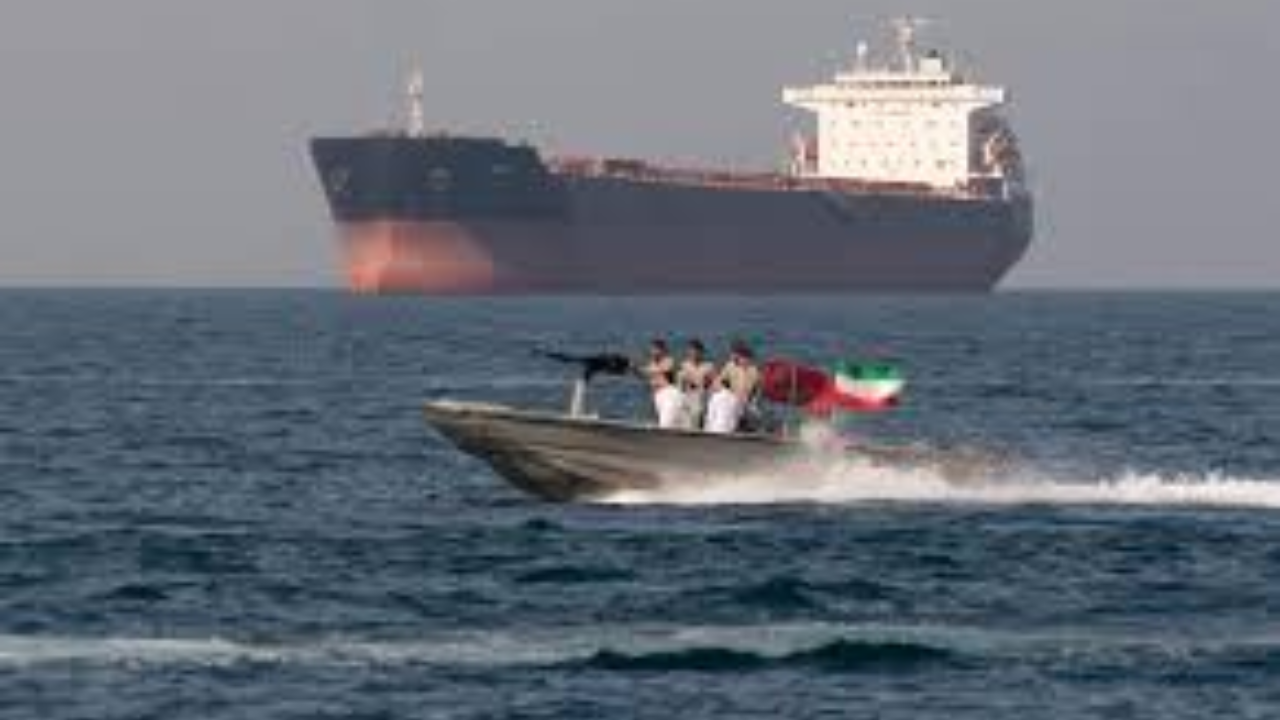
A New Maritime Order
- The authority to inspect passing vessels.
- The implementation of transit tolls.
- The right to deny access to specific traffic.
For the Gulf states and the international community, these demands represent a fundamental threat to global trade and are largely viewed as unacceptable.
Security and Reparations
Beyond the immediate geography of the Strait, the ideological and financial gap remains wide:
- Regional De-escalation: The U.S. and Israel seek a definitive end to Iran’s “malign influence” across the Middle East.
- Reparations: Iran is not only seeking the lifting of sanctions but is also demanding compensation for damages incurred during the recent month of conflict.
- Assurances: After being struck militarily twice during past negotiation phases, Iran is seeking ironclad guarantees against future attacks while talks are ongoing.
Summary of Expectations
Few experts anticipate a breakthrough on these major issues during the Islamabad sessions. Given the high degree of mutual distrust and the physical damage sustained recently, the most optimistic outcome for most observers is simply the preservation of the current ceasefire.