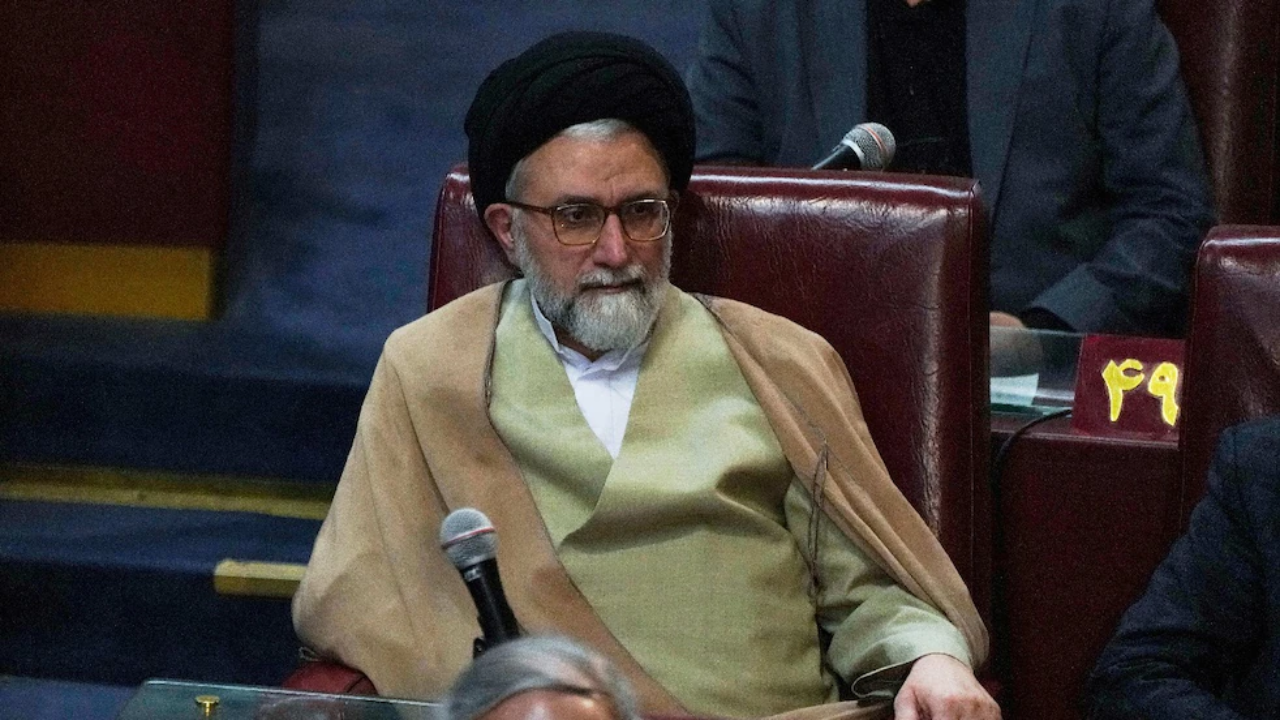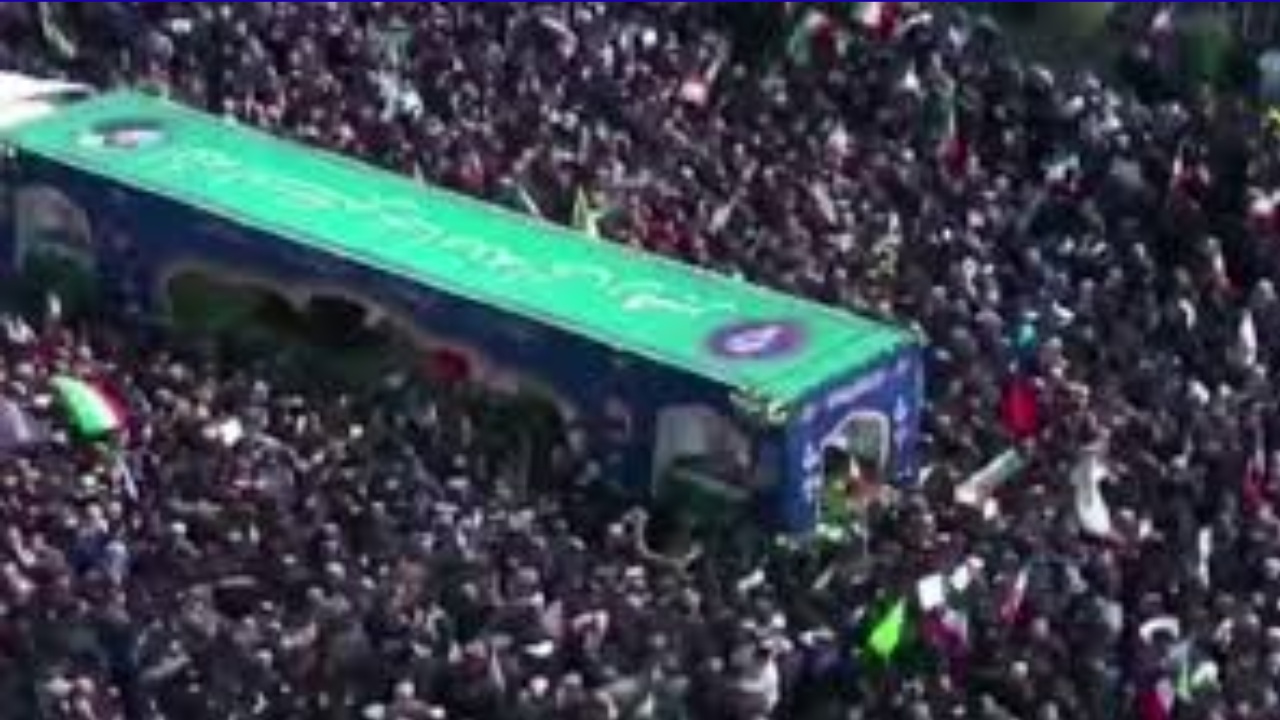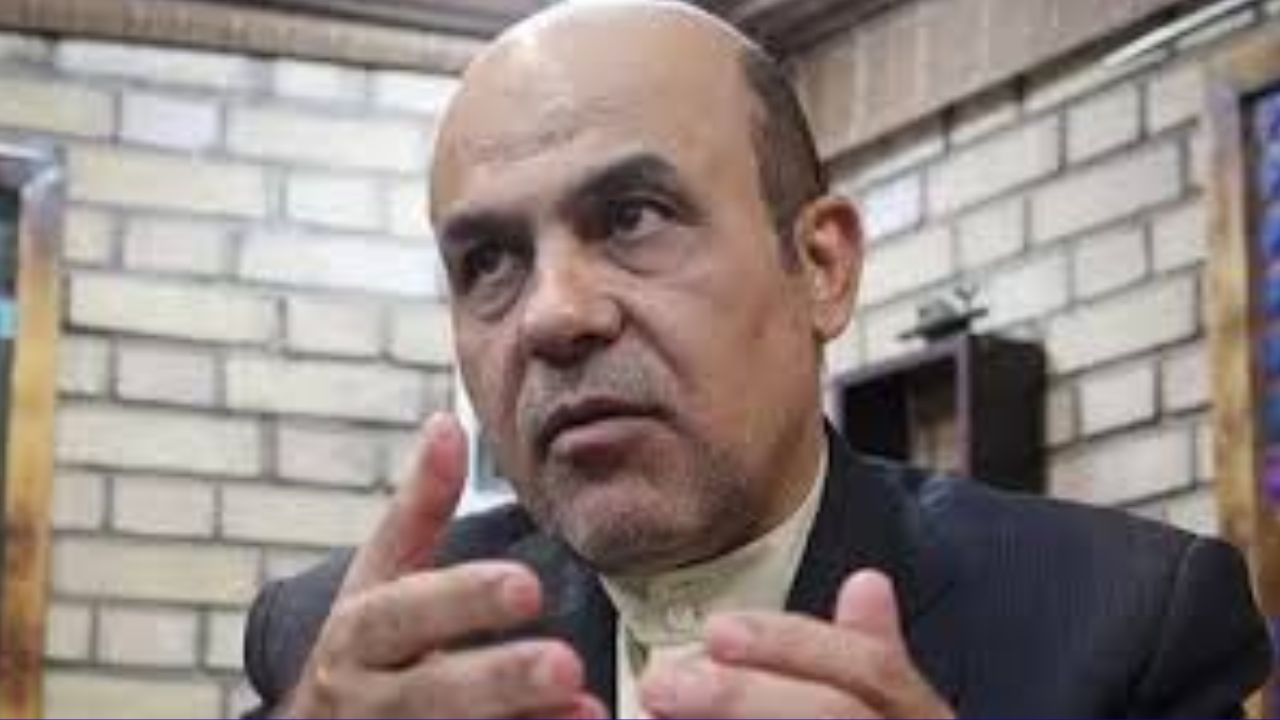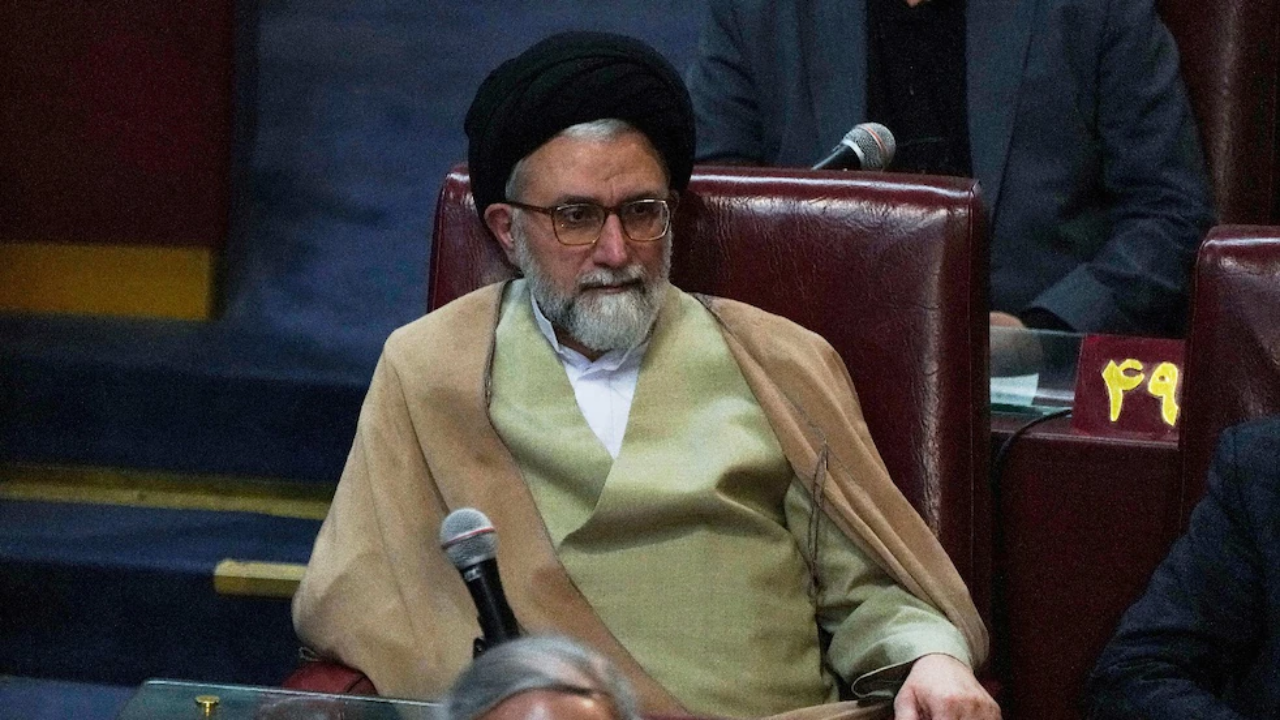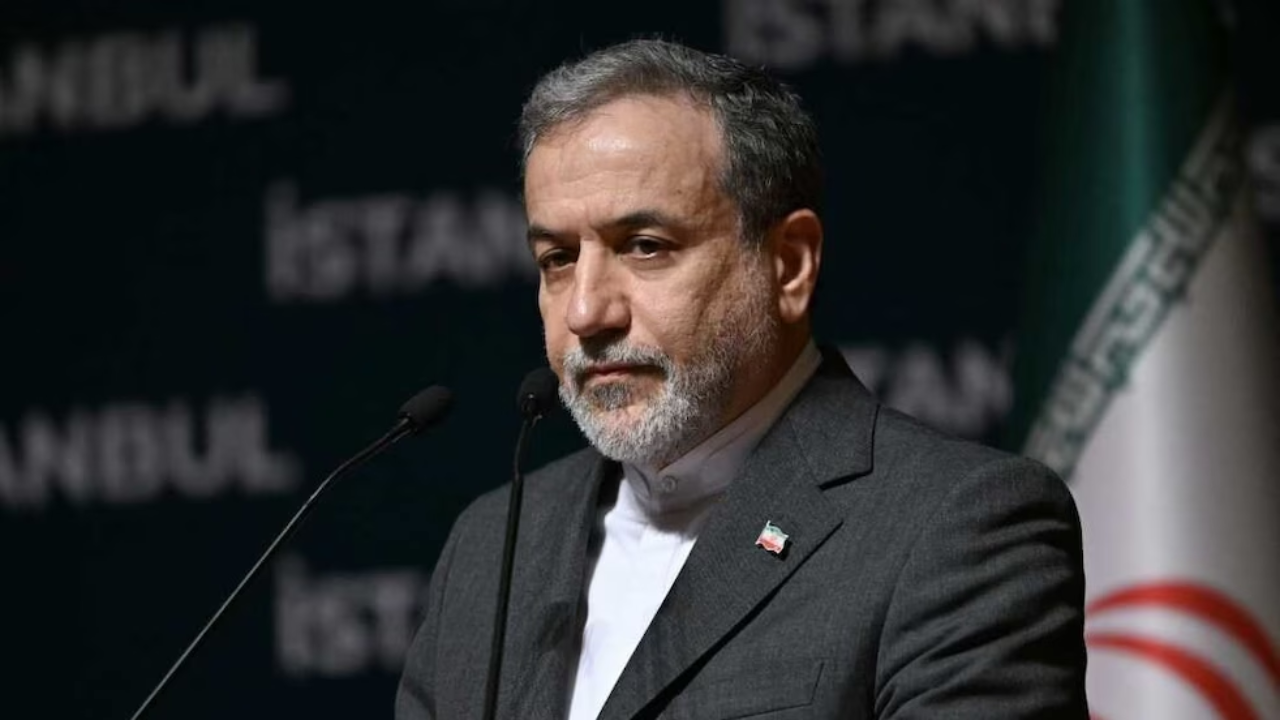
The killing of Ali Larijani in an Israeli airstrike on March 16, 2026, represents a seismic shift in the ongoing conflict between Israel and Iran. As the de facto leader following the death of Supreme Leader Ali Khamenei, Larijani’s removal has created a power vacuum at the highest levels of the Iranian state.
Thank you for reading this post, don't forget to subscribe!Key Developments
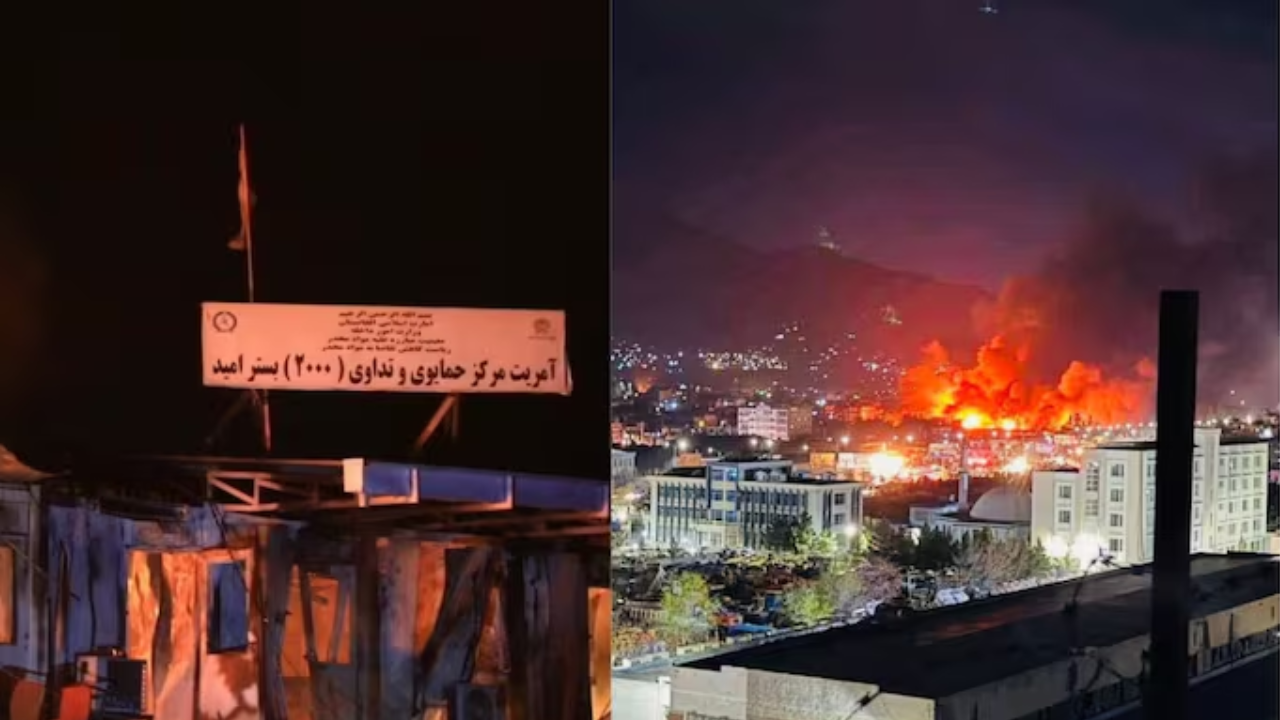
- The Strike: Targeted the Pardis district of Tehran, killing Larijani, his son, and top aides. This was part of a broader “decapitation” strategy that also claimed the life of Basij commander Gholamreza Soleimani.
- Strategic Intent: The Israeli government maintains these operations are designed to dismantle the regime’s command structure. However, international observers are divided: some see it as a path to regime collapse, while others view it as a tactical move that destroys any remaining diplomatic “off-ramps.”
- The Reaction: The immediate March 18 missile barrage on Tel Aviv confirms that, rather than surrendering, the fragmented Iranian leadership is opting for high-stakes retaliation.
The “Forever War” Risk
The primary concern for global diplomats is that Larijani was one of the few figures with the political capital to negotiate. His death may have effectively silenced the “pragmatist” wing of the Iranian government, leaving control in the hands of hardline military factions with little interest in a ceasefire.
How would you like to refine this further?
I can adapt this rewrite based on your specific goal:
- A hard-hitting Op-Ed: Focusing on the political implications and the “forever war” theory.
- A technical military brief: Focusing on the precision of the strikes and the tactical fallout.
- A simplified “explainer”: Breaking it down into bullet points for a general audience.