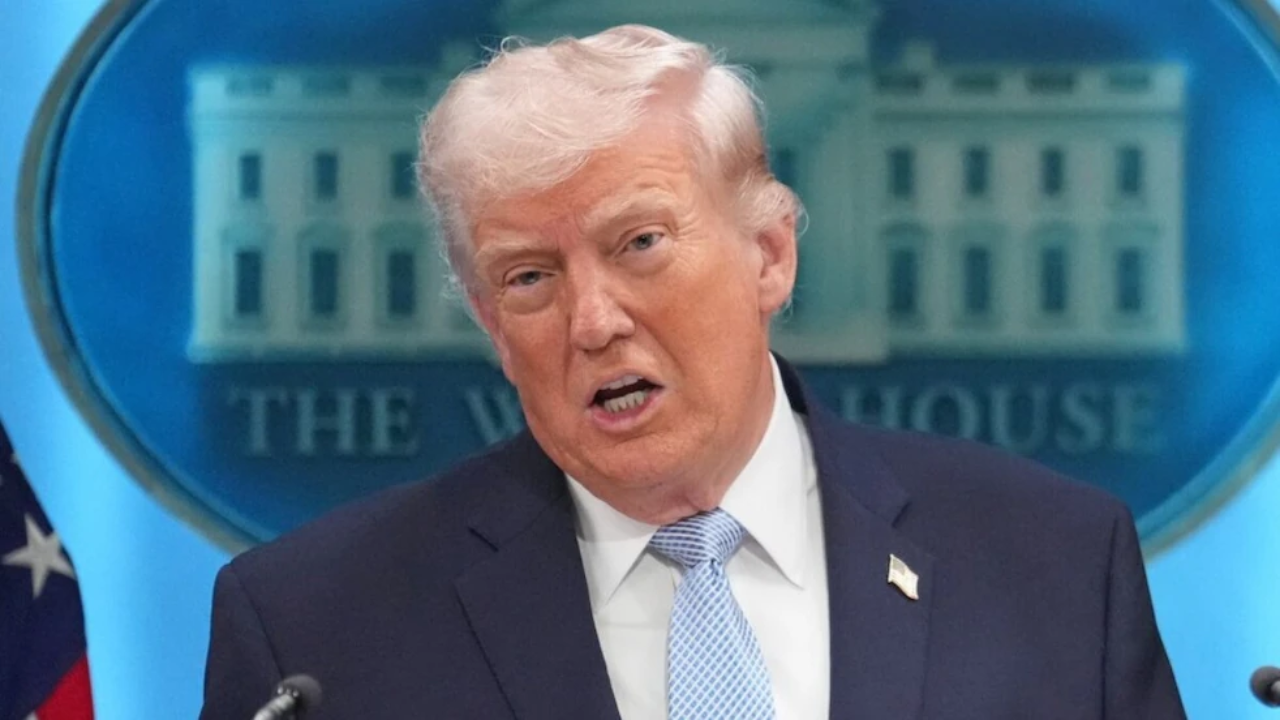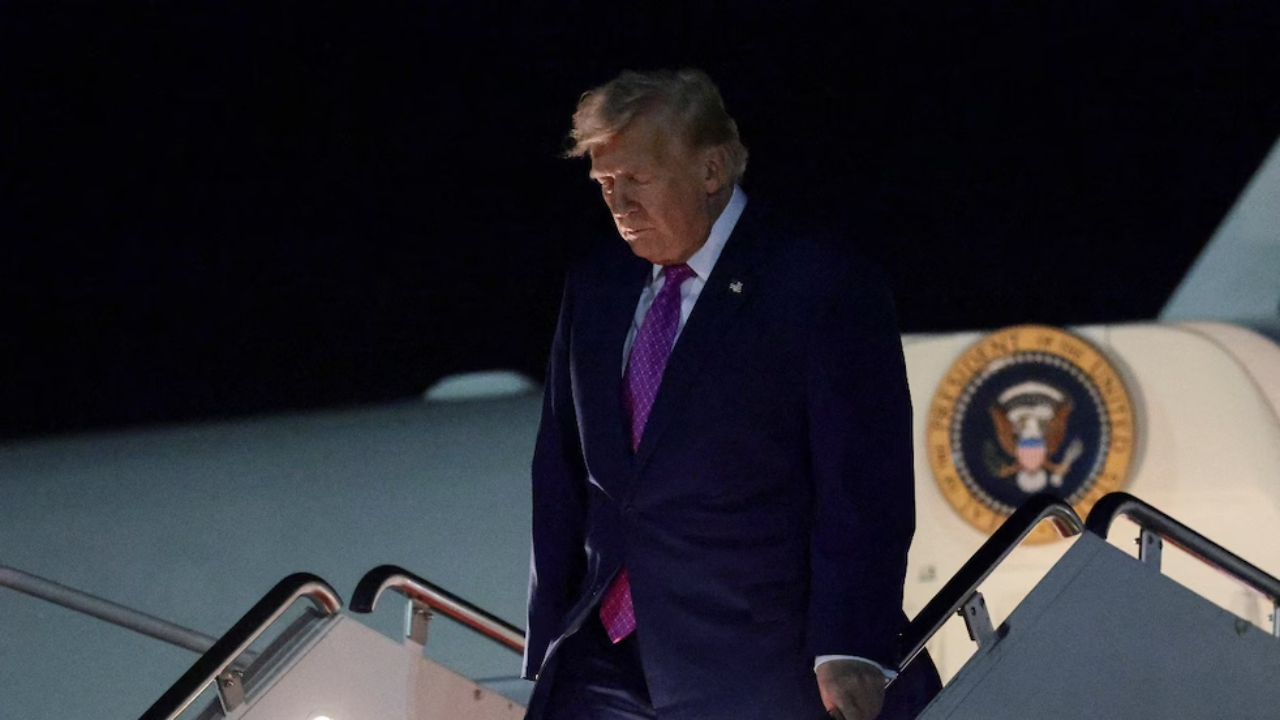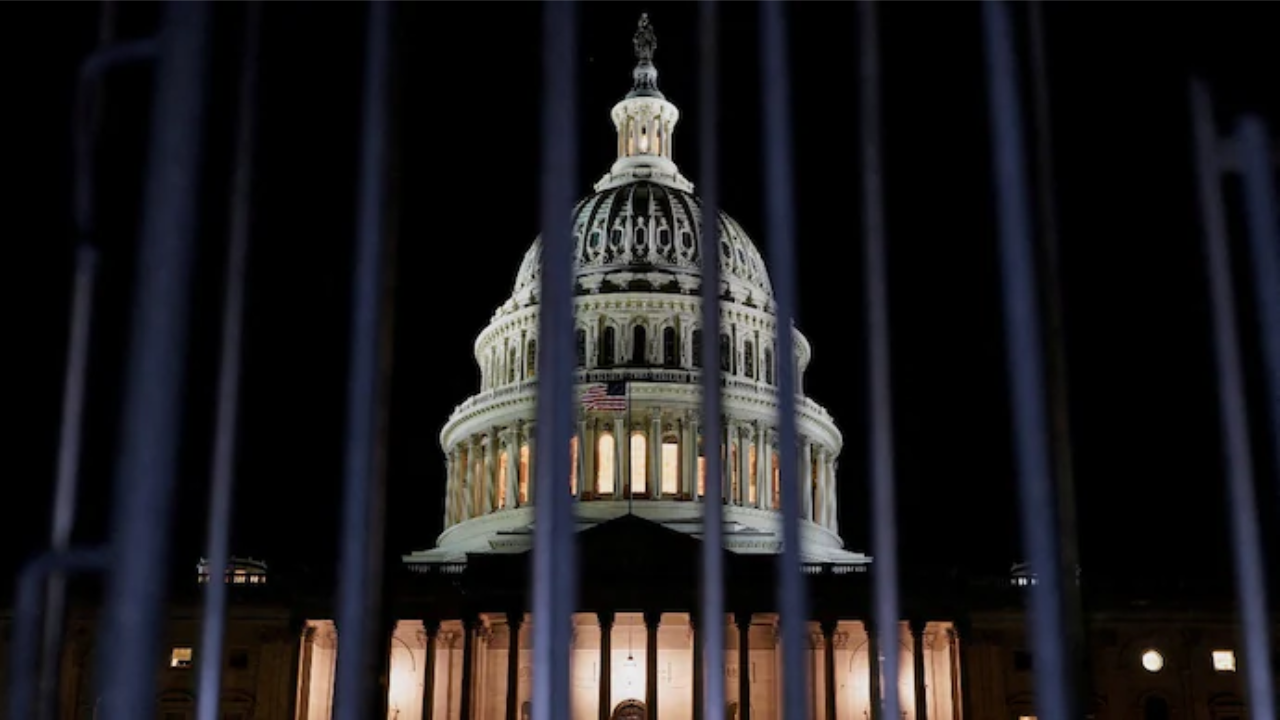
The 43-day federal government shutdown—the longest in US history—has officially ended with President Donald Trump signing a temporary funding bill. While millions of federal workers and aid recipients feel a momentary sense of relief, the fallout from the lapse in appropriations is not a short-term crisis. The damage to the economy, essential services, and public trust will persist for months, setting the stage for an inevitable repeat by the next funding deadline: January 30.
Thank you for reading this post, don't forget to subscribe!The impact is far from over. Here are the five reasons why the damage will linger:
1. Air Travel Recovery Requires Months, Not Days
The FAA’s emergency order forced airlines to cut flights by up to 10% across 40 airports due to mass staff absences. The return to normal will be severely delayed because:
- Staff Retention is at Risk: Air traffic controllers, tired of having their jobs “held hostage” by political gridlock, may quit or switch to non-government jobs, resulting in a permanent loss of experienced personnel.
- Operational Backlog: It took over two months to clear the backlogged paychecks from the last major shutdown, delaying the return of critical staff.
- Planes Grounded: Airlines used the shutdown for maintenance, meaning getting those aircraft fully back into the air will take significant time, likely through the Thanksgiving Holidays.
2. Crucial Economic Data is Permanently Lost
The impasse has crippled the Federal Statistical system, leaving policymakers “flying blind” during a critical economic period.
- The October CPI (Consumer Price Index) and jobs reports—vital indicators for the Federal Reserve and financial markets—will likely never be released.
- This permanent data impairment affects key decision-making across Wall Street and government bodies, delaying the accurate assessment of the US economic health.
3. Restarting the US Economy is a Slow, Costly Process
The shutdown inflicted immediate, unrecoverable financial damage on the economy.
- An estimated $55 billion was shaved off the US economy from losses like un-flown flights and reduced business activity.
- Experts predict this could lower the fourth-quarter GDP numbers by up to 2 percentage points.
- The shutdown froze billions in federal spending, disrupting the supply chain and hurting contractors, small businesses, and farmers. Economic activities will take quarters to return to pre-shutdown levels.
4. Back Pay Processing Could Stretch into Early 2026
While back pay is mandated for the 1.4 million affected federal employees, the sheer volume of compensation due will overwhelm payroll systems.
- Workers who missed multiple paychecks may have to wait until early 2026 to receive their full compensation, prolonging the financial stress that forced many to take out bank loans.
5. Faith in the Government System is Shattered
Beyond the financial and logistical damage, the shutdown caused an enduring loss of faith in the federal system and the administration.
- The halt of funds, particularly for food aid, has led citizens to “question whether the government will protect its citizens from harm.”
- This loss of trust is already driving skilled federal workers to seek more stable employment, impacting long-term recruitment and retention of essential government staff.
The Bottom Line: The “relief” is a brief intermission. The lasting damage remains, creating an unstable foundation as Congress rushes toward the next potential shutdown deadline on January 30.