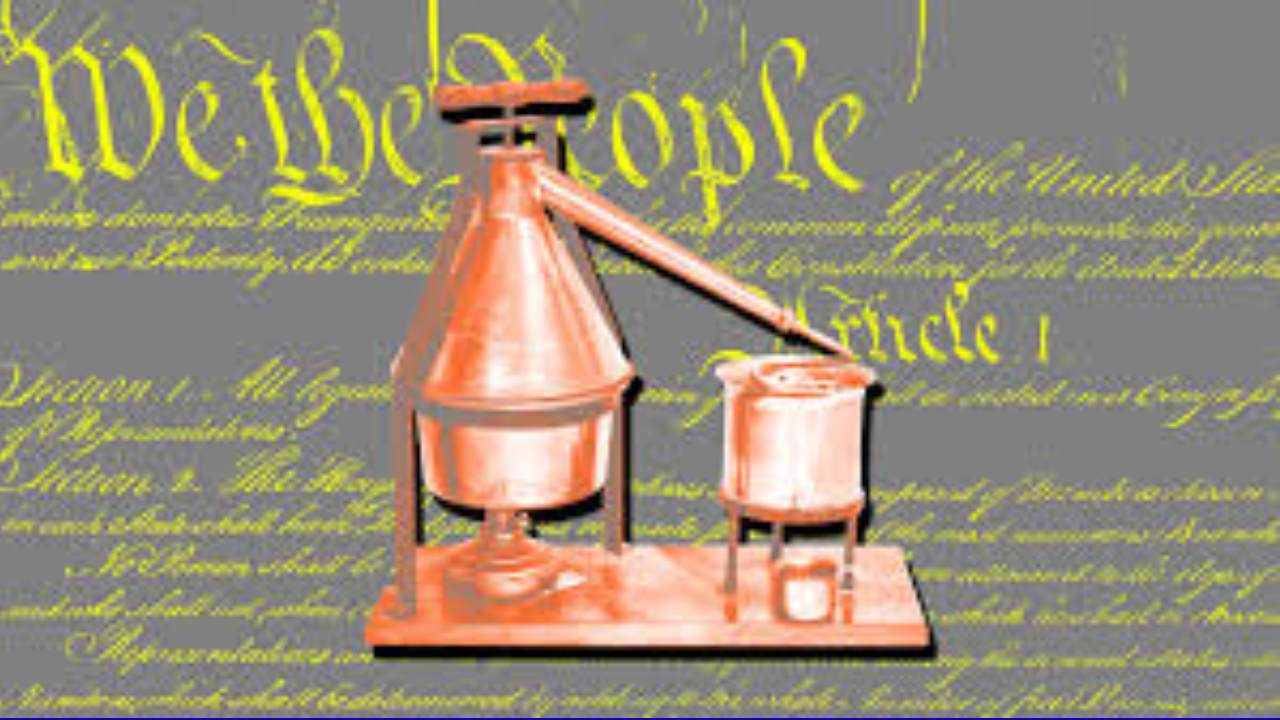
In a sweeping decision handed down on April 10, 2026, the Fifth Circuit Court of Appeals declared the federal prohibition on home distilling unconstitutional. This ruling effectively dismantles a legal barrier that has stood since 1868, potentially paving the way for a “home distilling revolution” similar to the rise of homebrewing decades ago.
Thank you for reading this post, don't forget to subscribe!The Legal Argument: Why the Ban Fell
- Tax Power Limits: The government argued the ban was necessary to protect the collection of excise taxes. The court disagreed, stating that a total ban on an activity is not “incidental” to taxing it—especially when the ban prevents the very revenue it claims to protect.
- The “Slippery Slope”: Judge Edith Jones noted that if Congress could ban any activity simply because it might interfere with tax collection, they would have the power to regulate virtually every private aspect of American life.
- Congressional Authority: The panel ruled that the ban exceeded the scope of the Necessary and Proper Clause, finding no modern justification for a blanket criminal prohibition on a private hobby.
Immediate Impact: Can You Fire Up the Still?
While the ruling is a monumental shift, the legal environment remains complex. Here is the current breakdown:
- Federal Enforcement: In the states covered by the Fifth Circuit (Texas, Louisiana, and Mississippi), the federal government is currently barred from enforcing the ban.
- Safety and Compliance: The ruling does not exempt hobbyists from all oversight. Distillers will likely still need to register with the Alcohol and Tobacco Tax and Trade Bureau (TTB) and adhere to safety standards.
- State Law vs. Federal Law: This decision only addresses federal statutes. If your state law still prohibits home distilling, you could still face local prosecution.
- Taxes Still Apply: Producing spirits remains a taxable event. Even for personal consumption, the government still maintains the right to collect excise taxes on every gallon produced.
The Road to the Supreme Court
This decision is a significant blow to federal regulatory power. The Department of Justice is widely expected to seek a stay of the ruling or appeal to the U.S. Supreme Court. If the Supreme Court upholds this decision, the 19th-century prohibition on “moonshining” will be officially over nationwide, fundamentally changing the landscape of American craft spirits.