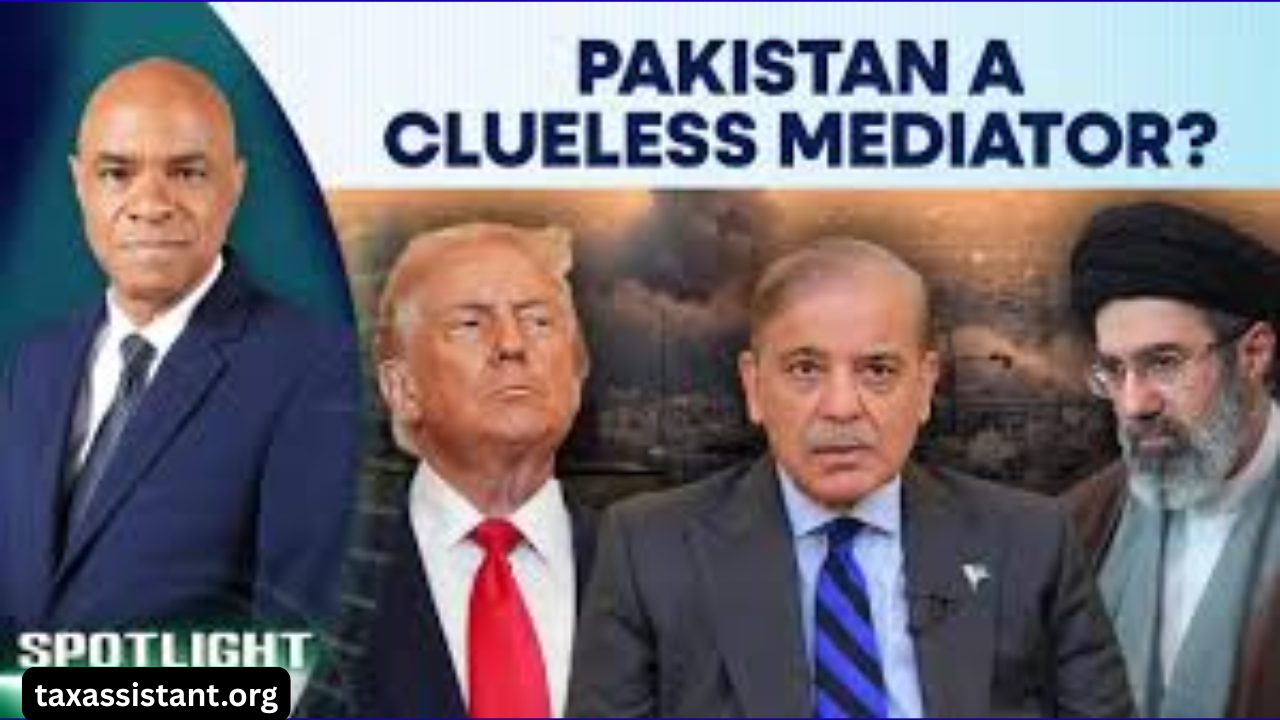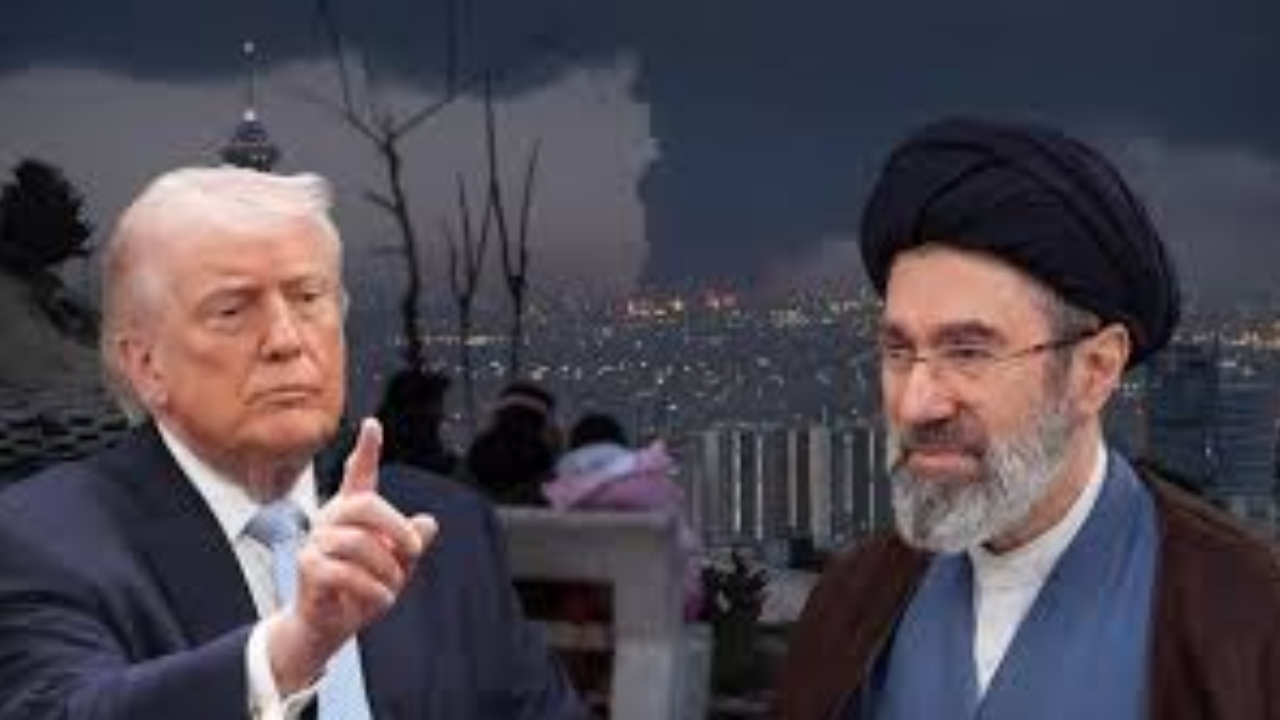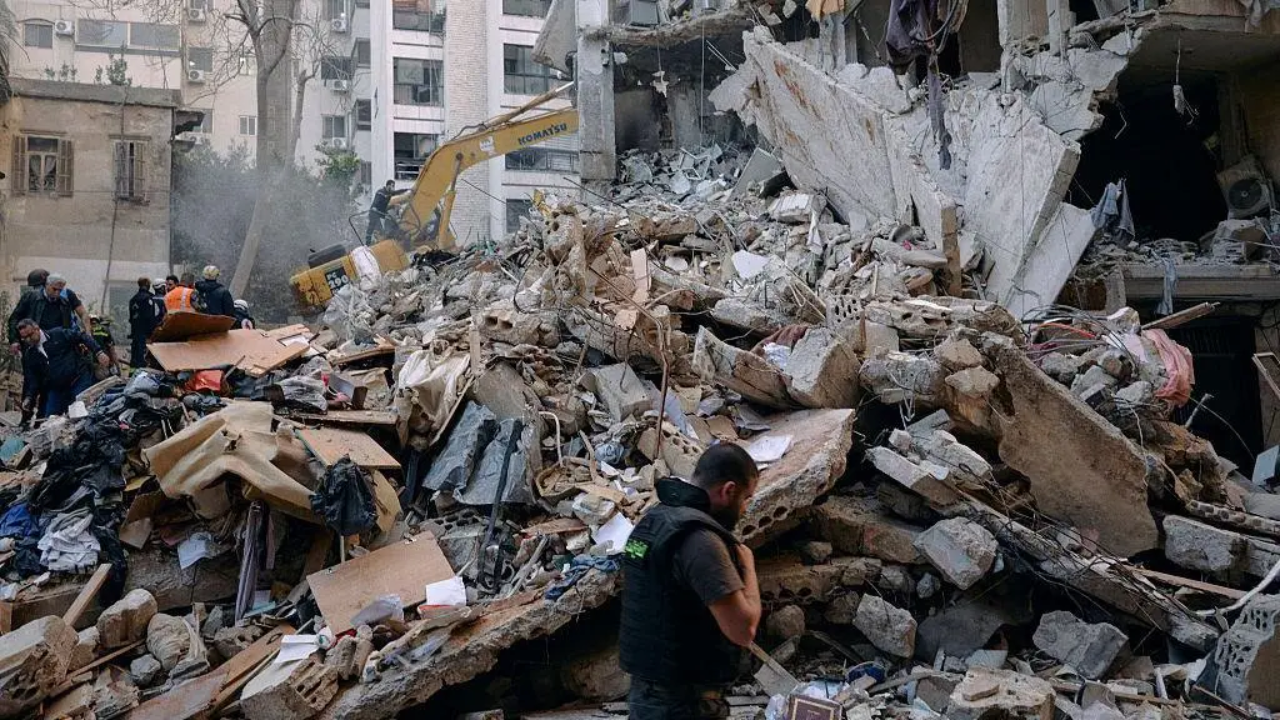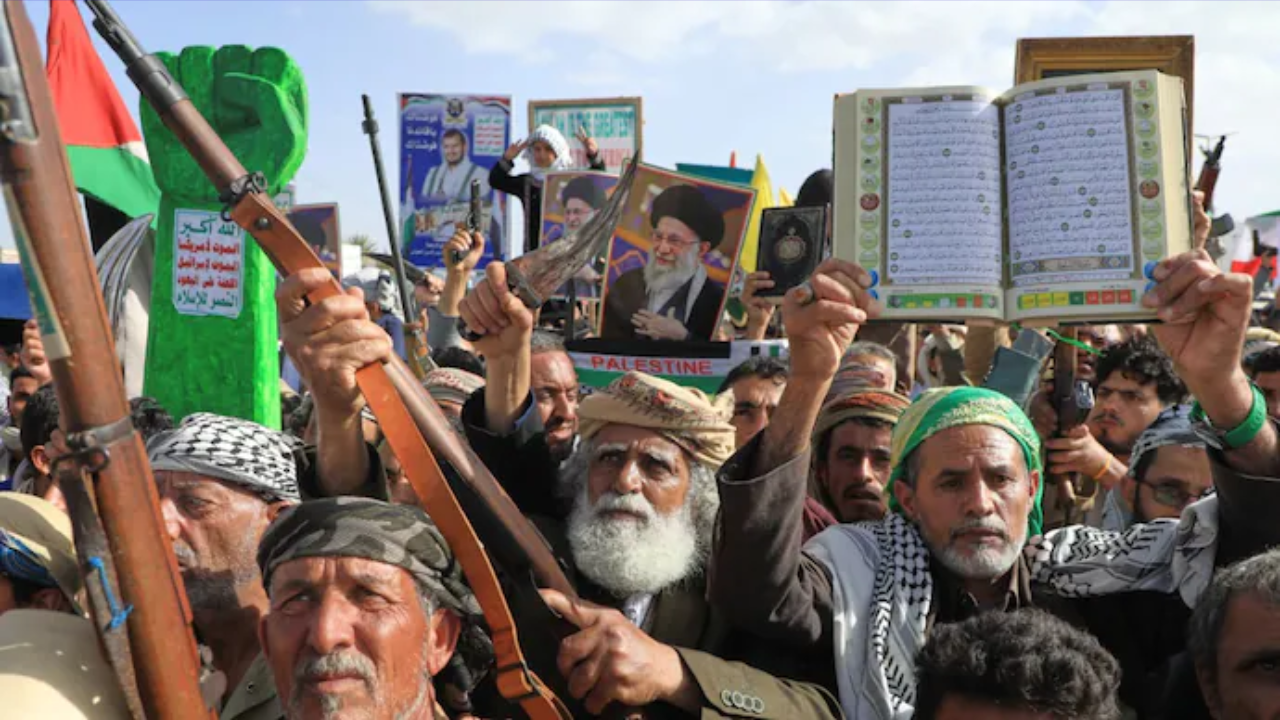
As the deadline for U.S. military action looms, Iran has pivoted toward a strategy of extreme asymmetric mobilization. By blurring the lines between civilian and combatant, the Iranian leadership is attempting to create a “deterrence through casualties” model designed to complicate U.S. precision-strike capabilities.
Thank you for reading this post, don't forget to subscribe!The 14 Million Volunteer Surge
- The Goal: This figure is largely symbolic, aimed at projecting an image of national unity and a bottomless pool of manpower.
- The Message: By doubling their reported volunteer numbers in just two months, Tehran is signaling that any ground entry into the country would result in a prolonged, high-casualty insurgency.
Infrastructure “Shields”
- Propaganda vs. Reality: While the government frames this as a patriotic act by artists and athletes, it places these individuals in the direct line of fire.
- The Ethical Dilemma: This tactic is designed to paralyze U.S. decision-makers by ensuring that any strike on infrastructure results in a “media-ready” humanitarian catastrophe.
The Mobilization of Minors
- Logistical Roles: These minors are being utilized for checkpoint security and intelligence gathering, effectively integrating children into the military’s operational framework.
- Legal Fallout: International watchdogs have flagged this as a clear violation of international law, though Tehran has ignored these condemnations, focusing instead on internal messaging that equates childhood participation with religious and national duty.
Summary of the Current Standoff
| Strategy | Method | Objective |
| Mass Manpower | 14 million registered volunteers | To threaten an unsustainable war of attrition. |
| Human Shields | Civilian chains at power plants | To deter airstrikes via the threat of war crime accusations. |
| Youth Combatants | Lowering recruitment age to 12 | To bolster domestic surveillance and logistics. |
As the final hours of the U.S. ultimatum tick down, these measures indicate that Iran is preparing for a conflict where the civilian population is the primary instrument of defense.