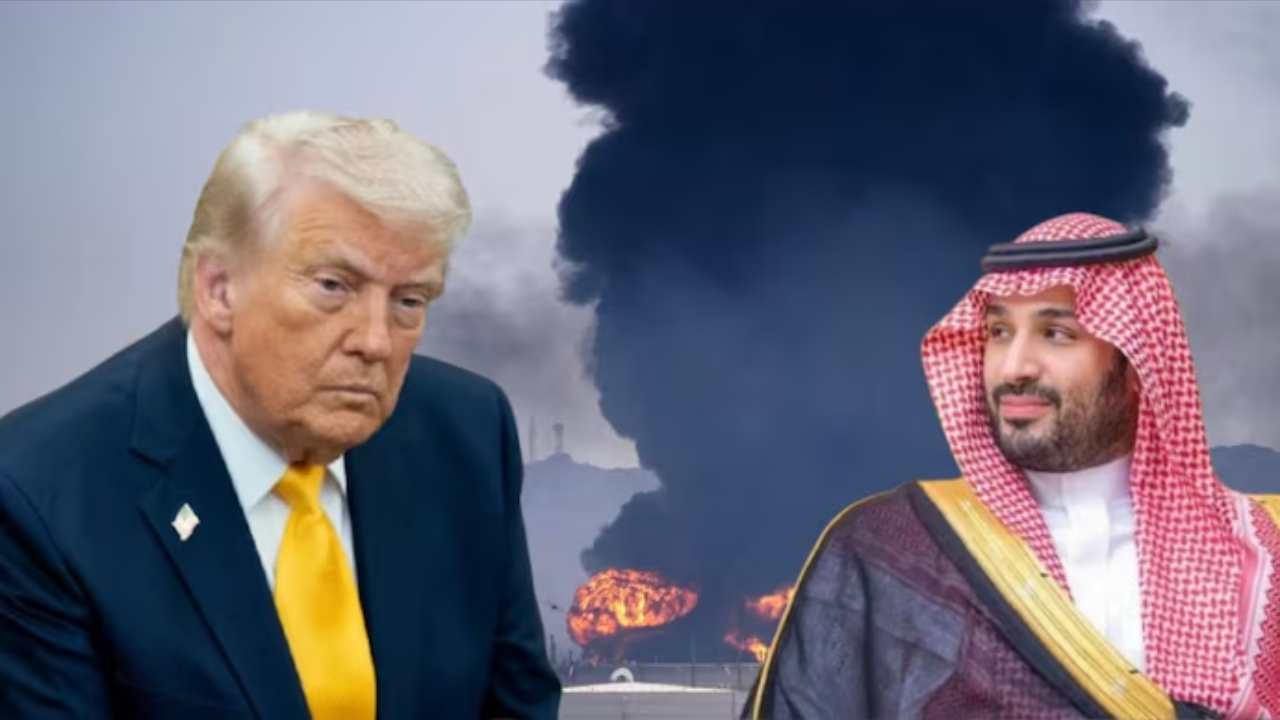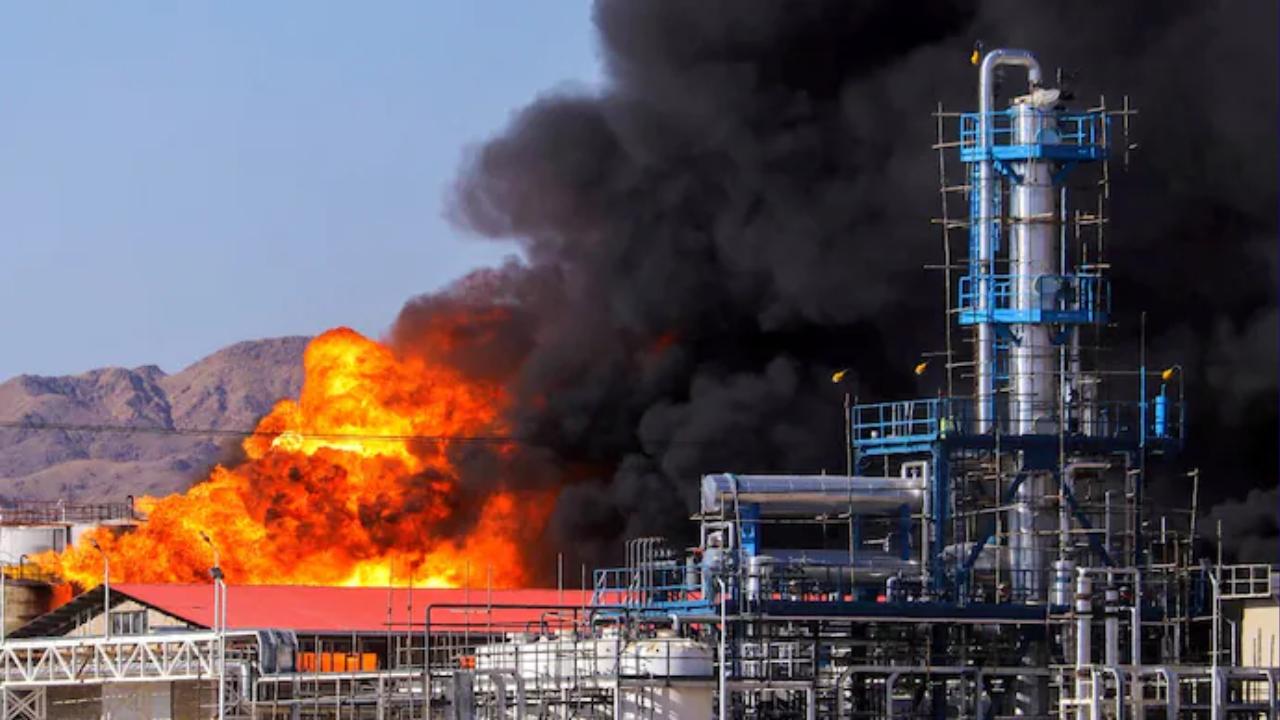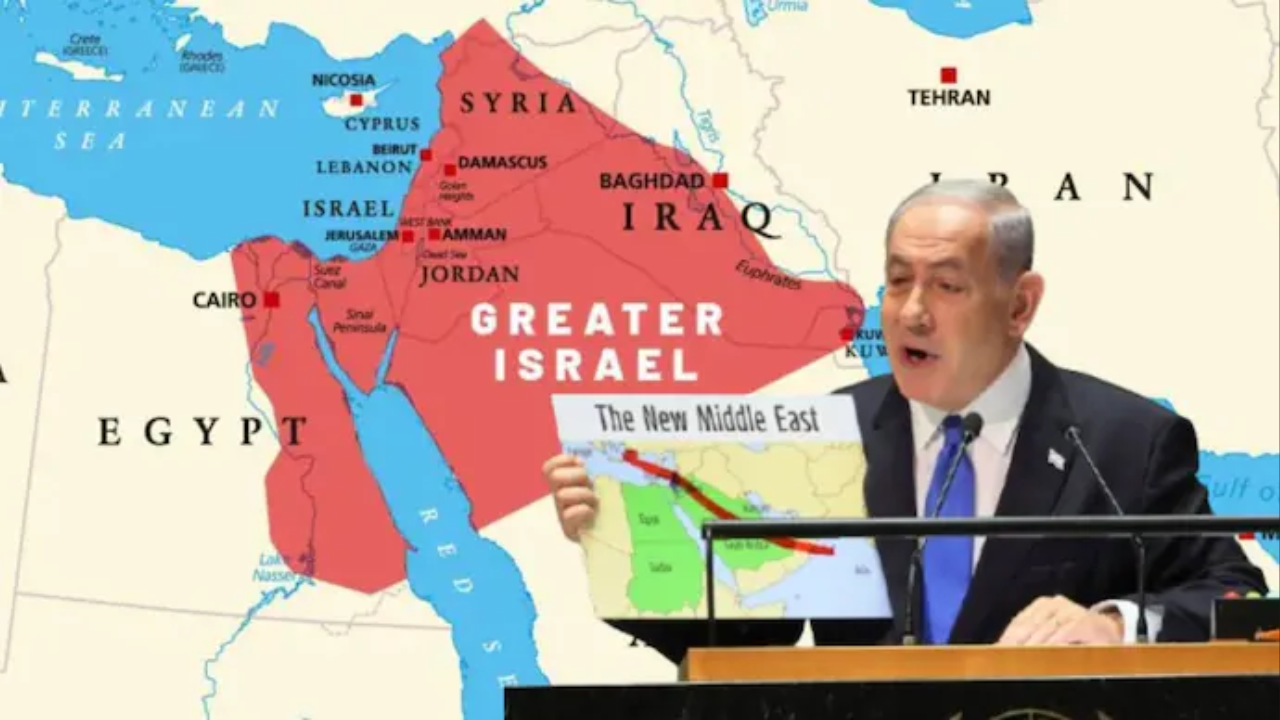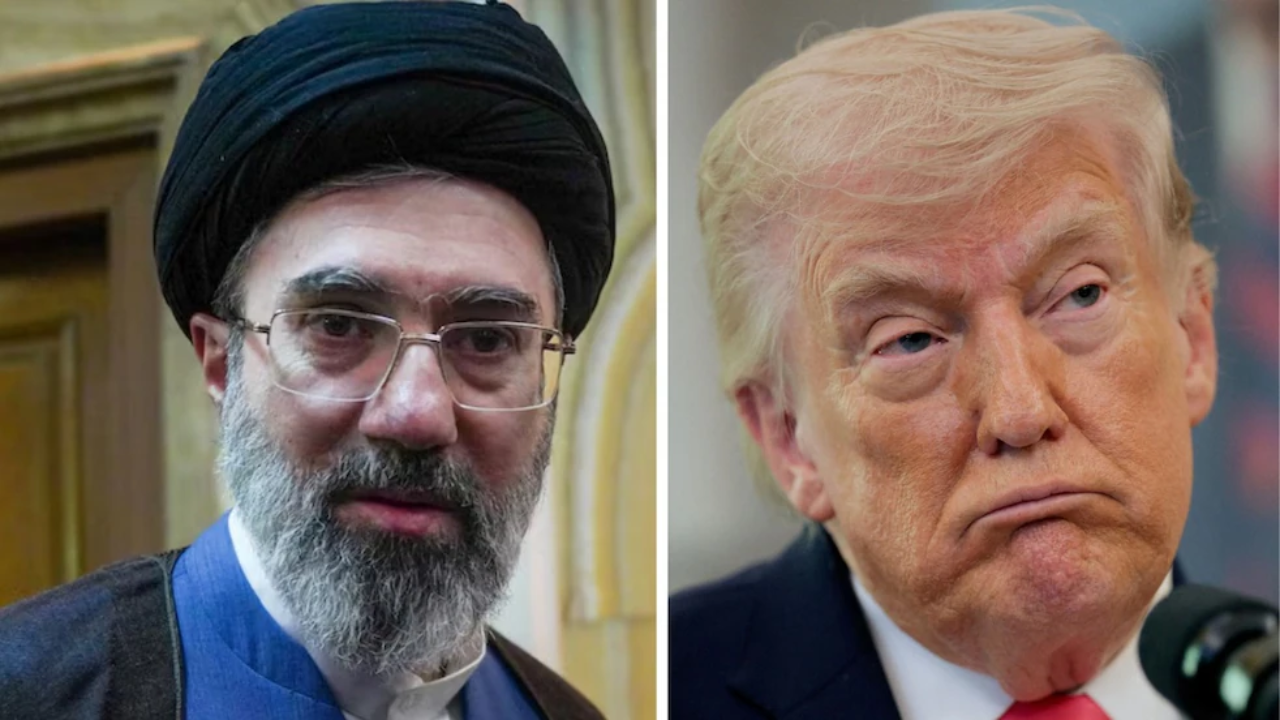
the diplomatic path to ending the month-long conflict has hit a significant roadblock. While the Trump administration has hinted at a potential breakthrough involving energy concessions, Iran has countered with a series of “sovereignty-first” demands that challenge the existing security architecture of the Middle East.
Thank you for reading this post, don't forget to subscribe!The Core Iranian Demands
- Expulsion of U.S. Forces: Tehran is demanding the complete closure of U.S. military installations in the Persian Gulf, specifically targeting bases in Kuwait, Bahrain, and the UAE that served as launchpoints for recent strikes.
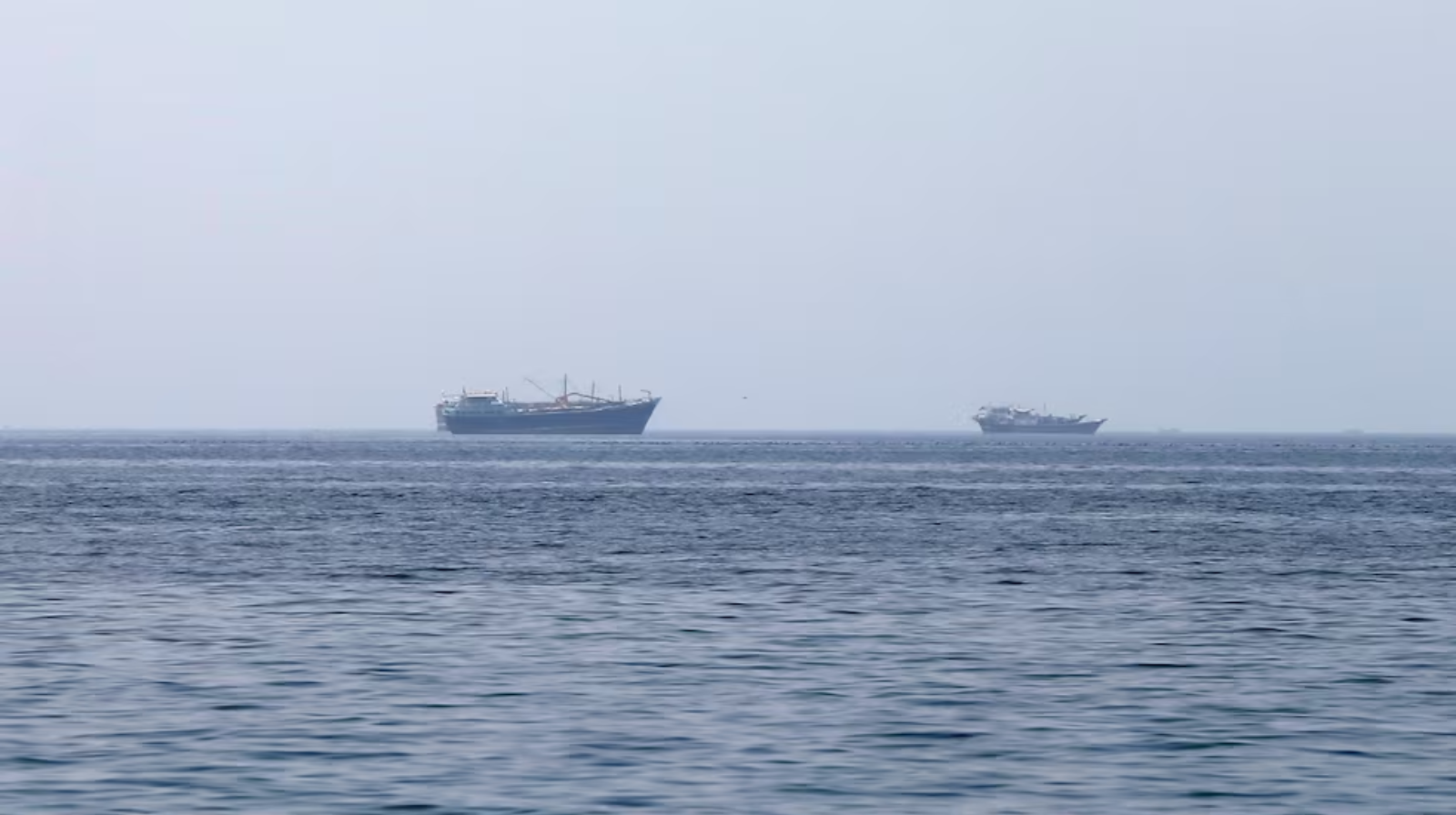
- The “Hormuz Toll”: In a move that has rattled global markets, Iran proposes a transit fee for the Strait of Hormuz—reportedly seeking up to $2 million per vessel—characterizing the levy as war reparations.
- Infrastructure Reparations: A demand for direct financial compensation for the destruction of Iranian military and industrial sites during the February–March campaign.
- Nuclear Redlines: Iran refuses to abandon its enrichment program, insisting on its rights under the NPT, which stands in direct opposition to the U.S. demand for total dismantlement.
The U.S. “15-Point” Strategy
The White House has maintained a “Maximum Pressure, Maximum Reward” stance. Their proposal offers a carrot-and-stick approach:
- The Reward: Comprehensive sanctions relief and the removal of the UN “snapback” threat.
- The Requirement: Total cessation of enrichment and the end of proxy funding.
- The Compromise: A U.S.-supported, strictly civilian nuclear energy program centered at the Bushehr facility.
Current Conflict Dynamics
| Metric | Current Status |
| Shipping Volume | Down 95% in the Strait of Hormuz. |
| U.S. Troop Movement | 1,000–3,000 additional 82nd Airborne troops deploying. |
| Energy Impact | Global supply remains choked; Iran is only permitting “friendly” vessels (China/India) through a registered corridor. |