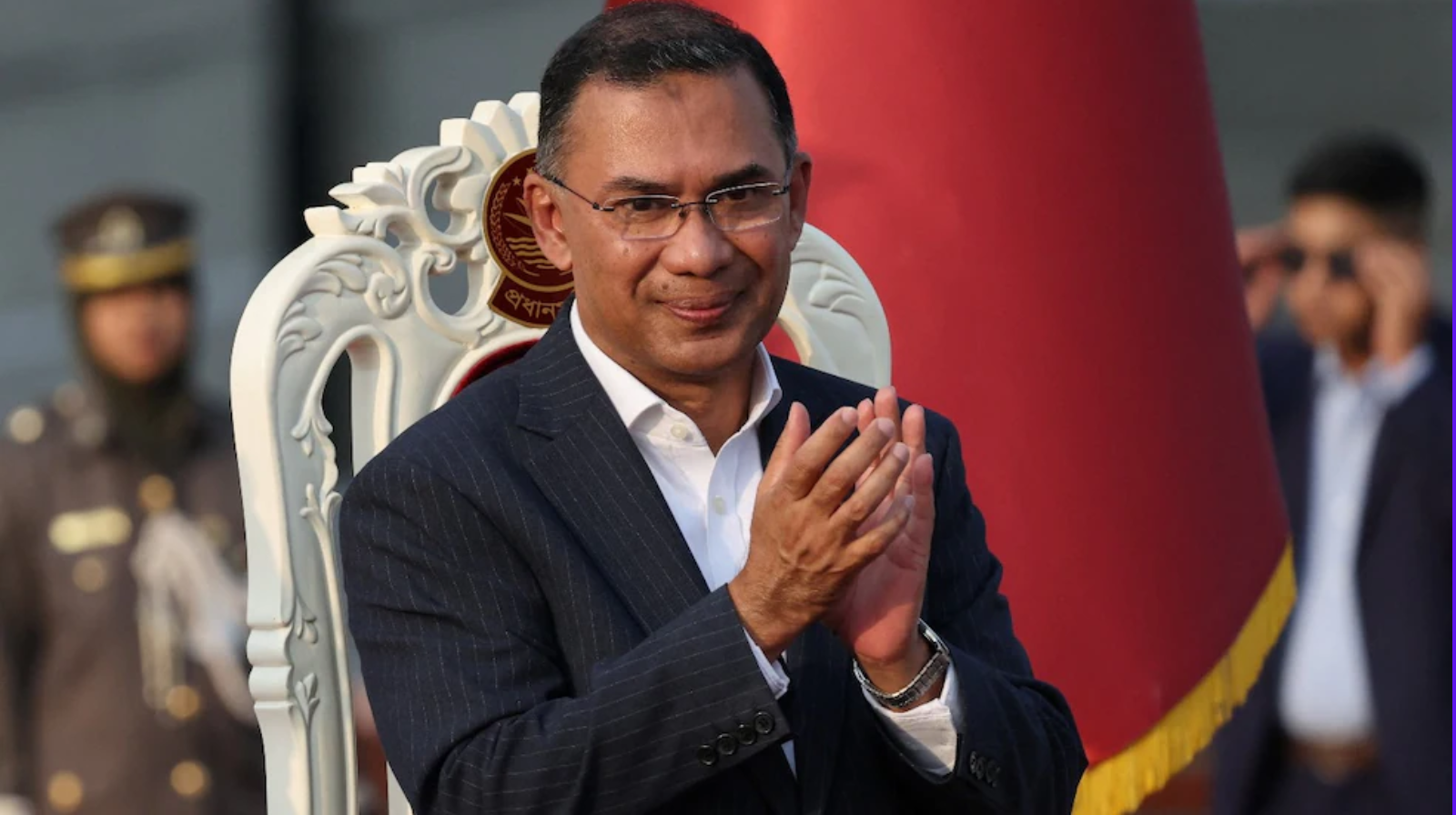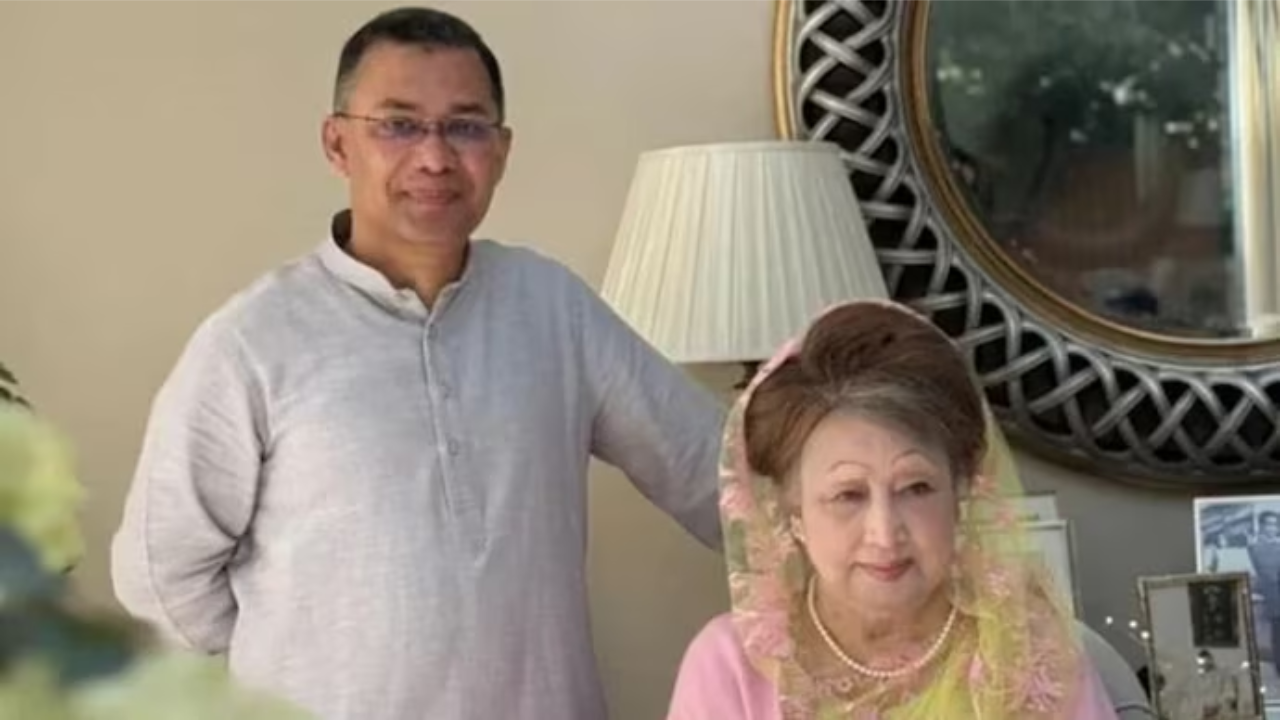
Tarique Rahman, the acting chairman of the Bangladesh Nationalist Party (BNP) and son of former Prime Minister Khaleda Zia, has been living in exile in London since 2008. His prolonged absence remains a central political issue, especially as his mother, Khaleda Zia, is currently on life support in a Dhaka hospital, and the BNP is preparing for crucial elections.
Thank you for reading this post, don't forget to subscribe!The core question is: Why hasn’t Rahman returned, even though he has been acquitted of all legal charges?
Key Reasons for His Continued Absence
Despite the Muhammad Yunus-led interim administration offering a travel pass and all 84 pending legal cases against him being cleared between late 2024 and mid-2025, Rahman has not yet returned to Bangladesh. His reasons, and those cited by the party and analysts, are complex:
- Rahman’s Claim of External Control: Tarique Rahman himself has stated that his return is stalled by forces “not in his control.” He suggested his return must wait until the “political reality reaches the expected level.”
- Security Concerns: Political analysts and BNP insiders argue that the primary barrier is security risk. They suggest the internal security situation makes his return dangerous, and the security the government could provide might not be sufficient for the head of the opposition.
- Political Timing: Some BNP sources indicate that Rahman is waiting for the official announcement of election dates (expected around December 10) to make his comeback, suggesting a planned, high-impact political return rather than an immediate emergency visit.
- Documentation: While the government offered a travel pass, Rahman is reportedly holding out for a new Bangladeshi passport, signaling his intent for a permanent return rather than a temporary visit.
His absence leaves the BNP navigating a critical electoral period without its top leader physically present, raising questions about the party’s leadership and image at a sensitive time.