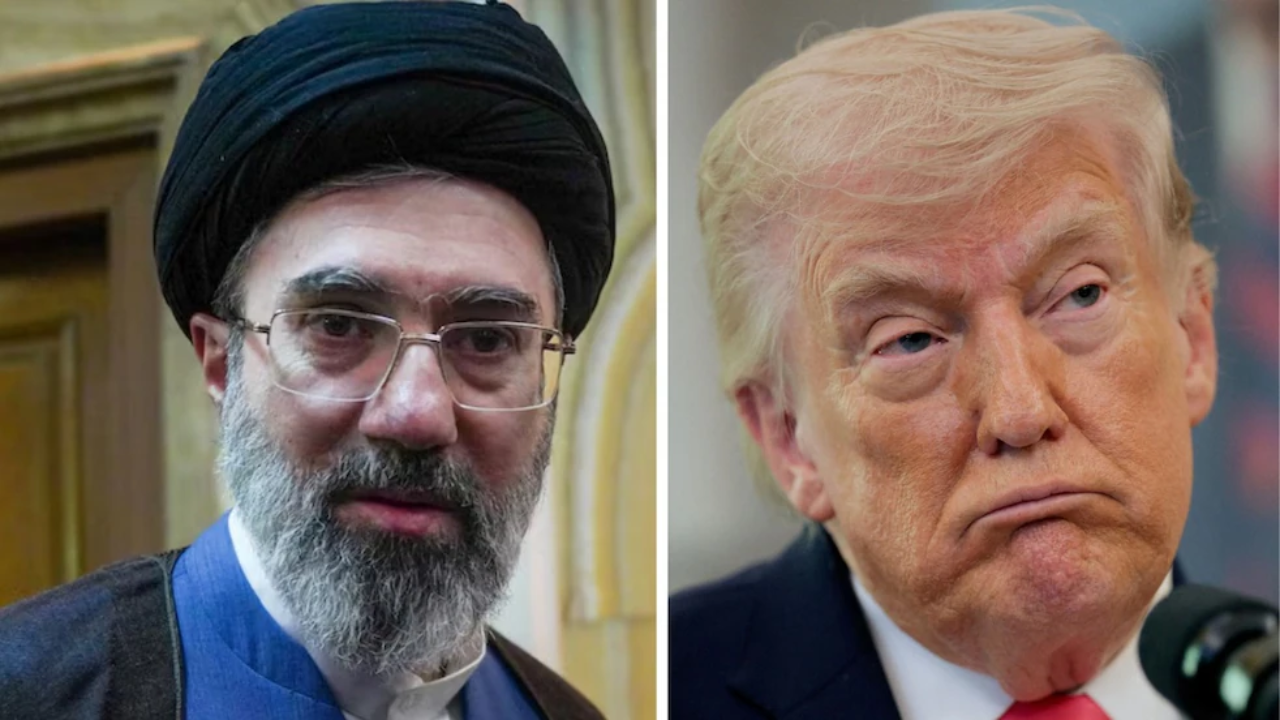
The geopolitical landscape of the Middle East remains on a knife-edge as of March 25, 2026. Following four weeks of intensive military operations, the Trump administration has officially transmitted a 15-point “Pathway to Peace” to the Iranian leadership. However, despite Washington’s push for a diplomatic resolution, Tehran’s response has been one of public mockery and tactical resistance.
Thank you for reading this post, don't forget to subscribe!The White House Strategy: The 15-Point Framework
- Nuclear Foreclosure: Iran must surrender all enriched uranium and permanently decommission the Fordow and Natanz facilities.
- Military Restraint: A complete freeze on ballistic missile development and a verified withdrawal of support for regional proxies.
- Economic Integration: In return, the U.S. offers a total lifting of energy and banking sanctions, plus an invitation for Iran to join a new regional trade bloc.
The “Negotiating with Yourself” Rebuttal
“The Americans are trying to frame their military exhaustion as a diplomatic triumph. We do not negotiate while our sovereignty is under fire.” — Lt. Col. Ebrahim Zolfaghari
Ground Reality: War Amidst Words
While the 15-point plan circulates, the fighting has not stopped. The humanitarian and economic costs of the past month are staggering:
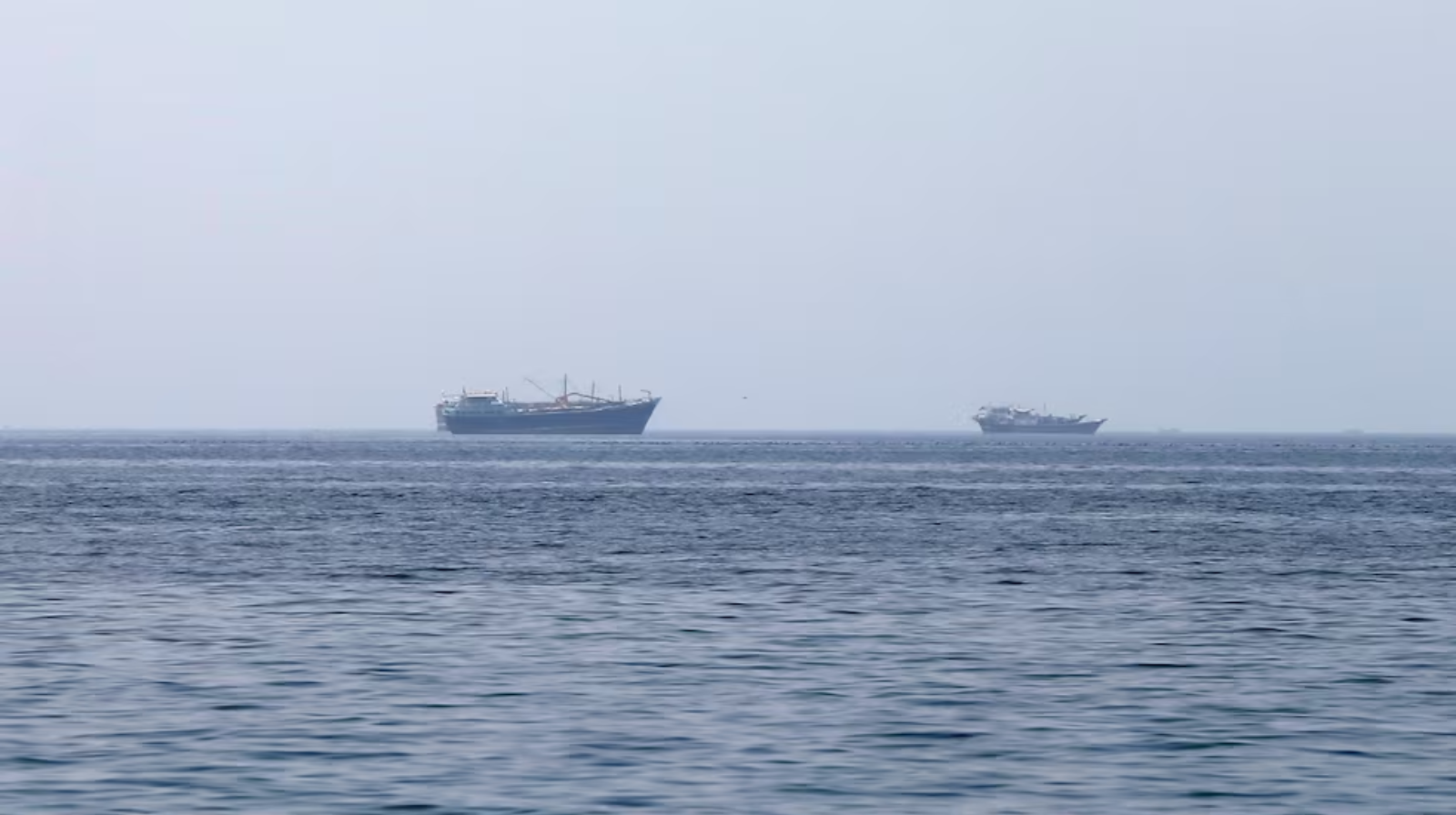
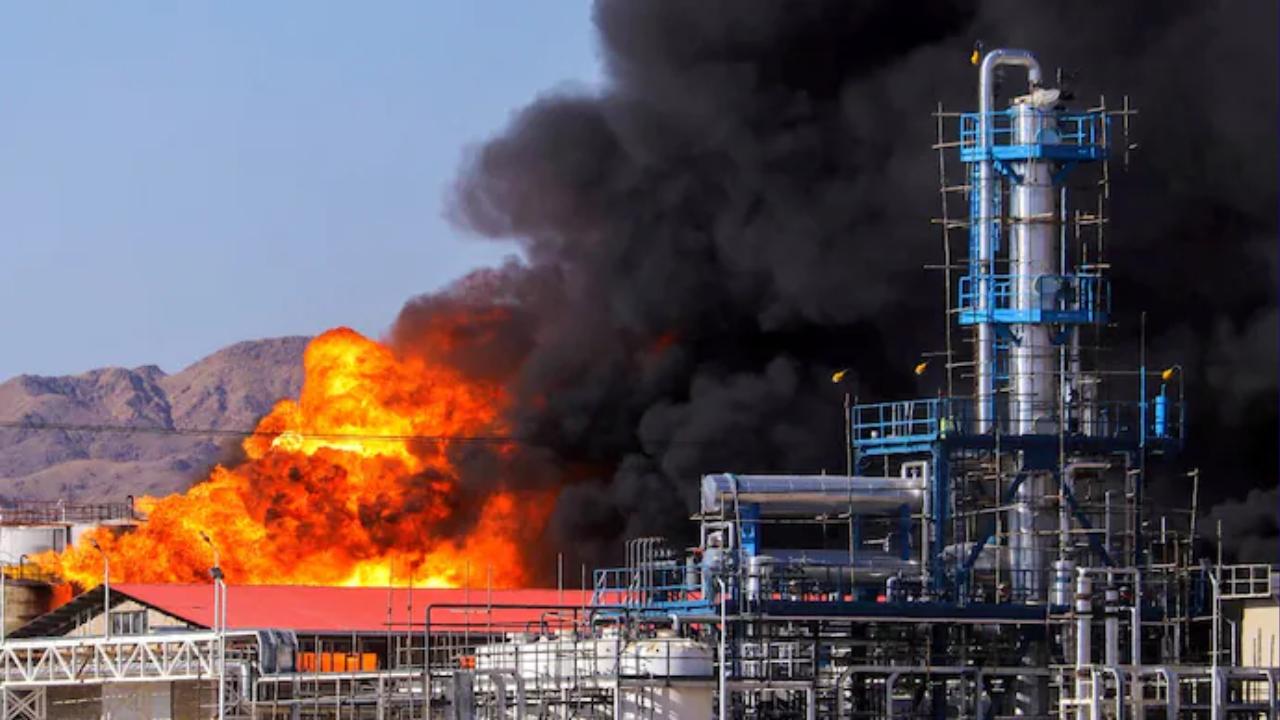
- Energy Crisis: The continued blockage of the Strait of Hormuz has pushed global oil prices to record highs.
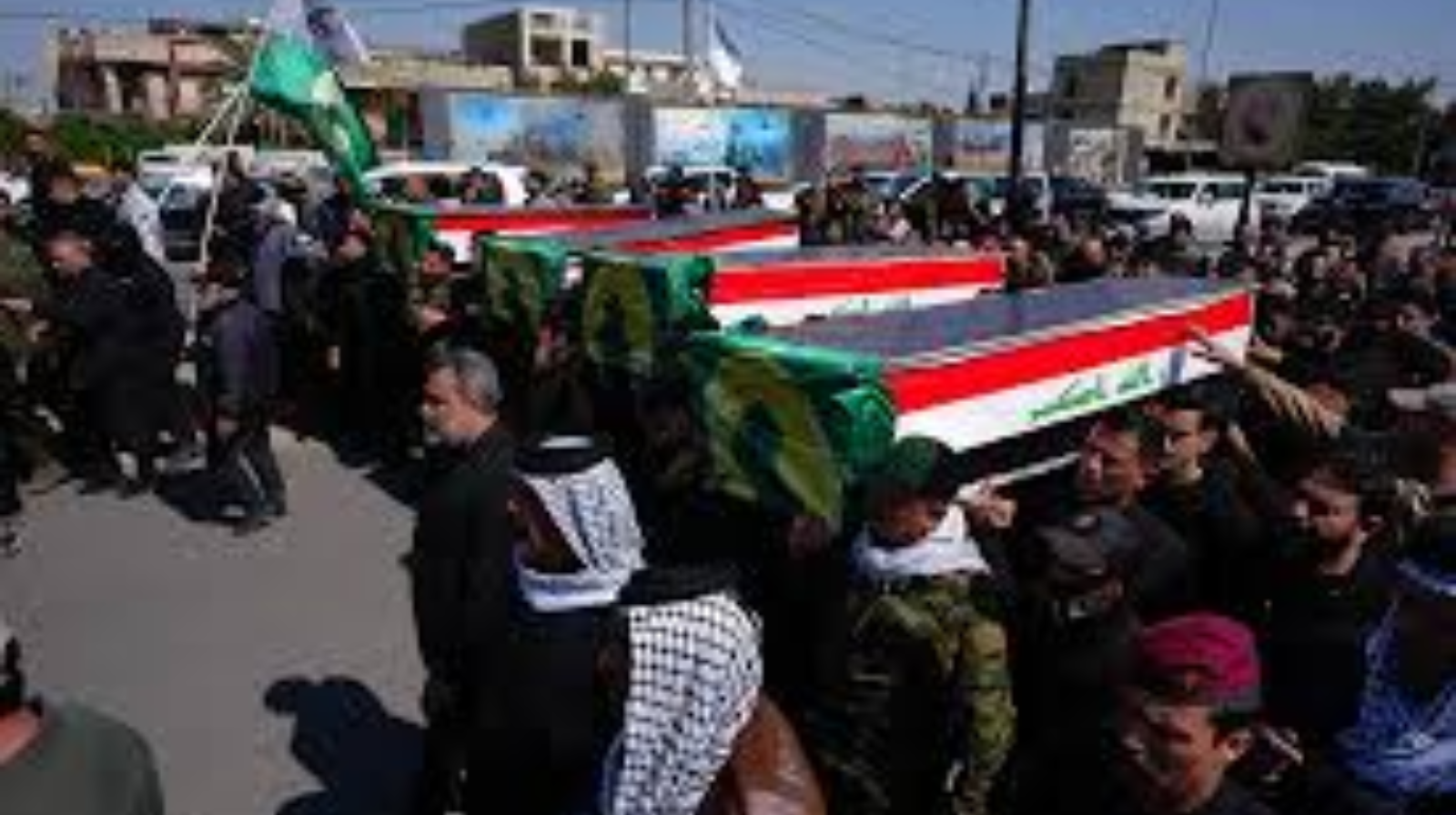
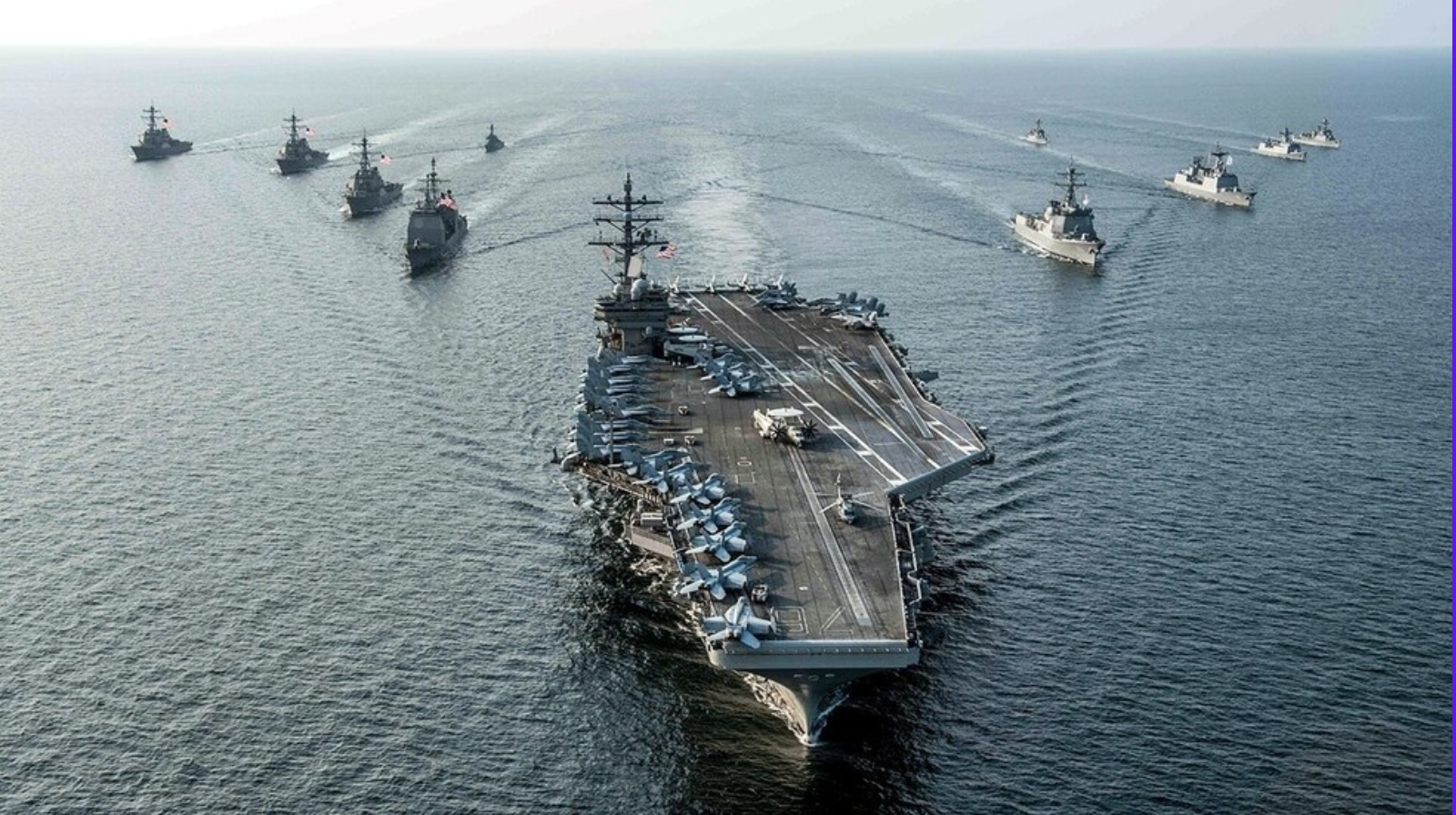
- Military Casualties: Casualties on the Iranian side are estimated at over 1,500, while the U.S. continues to bolster its regional presence with the deployment of the 82nd Airborne Division.
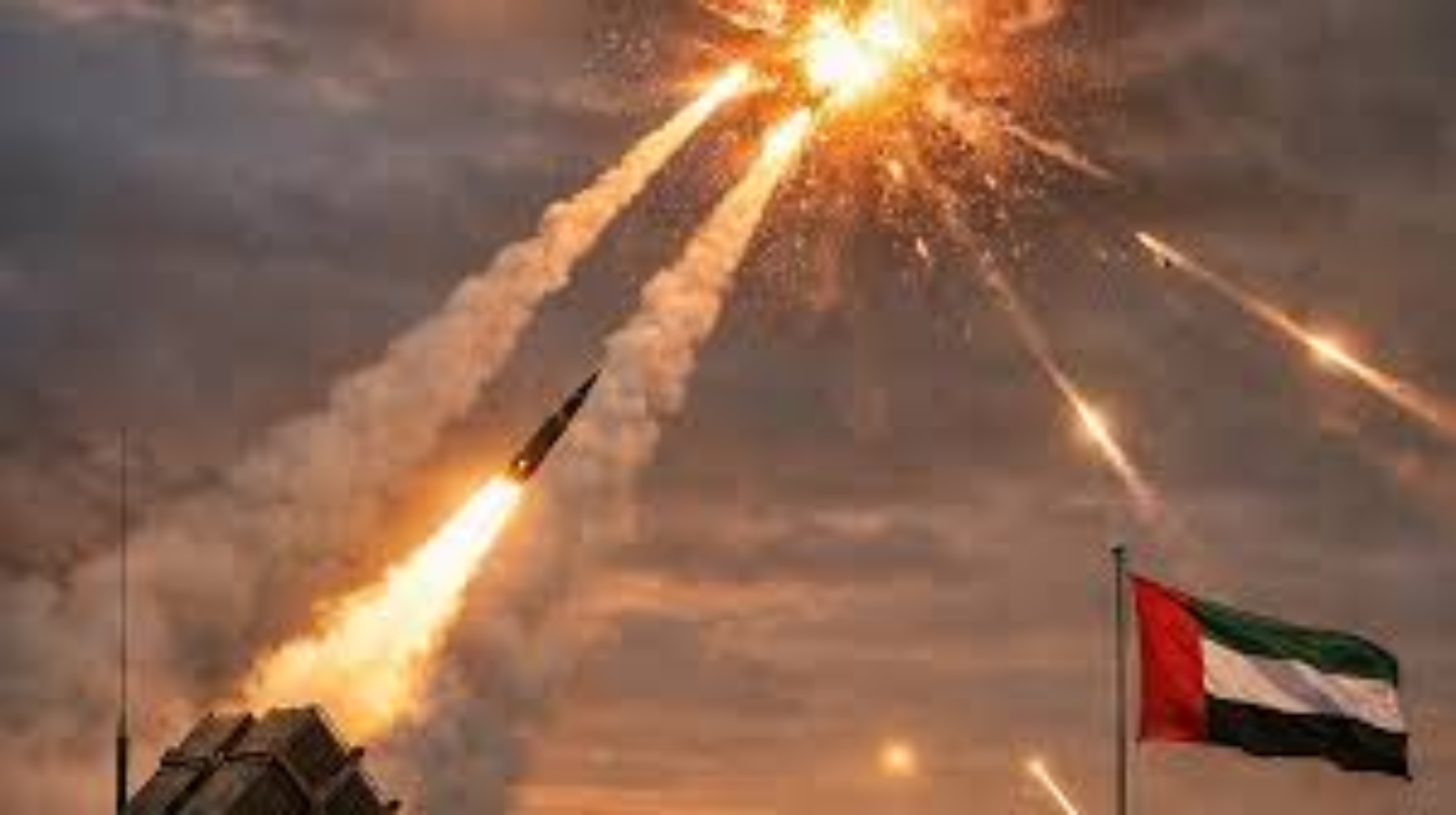
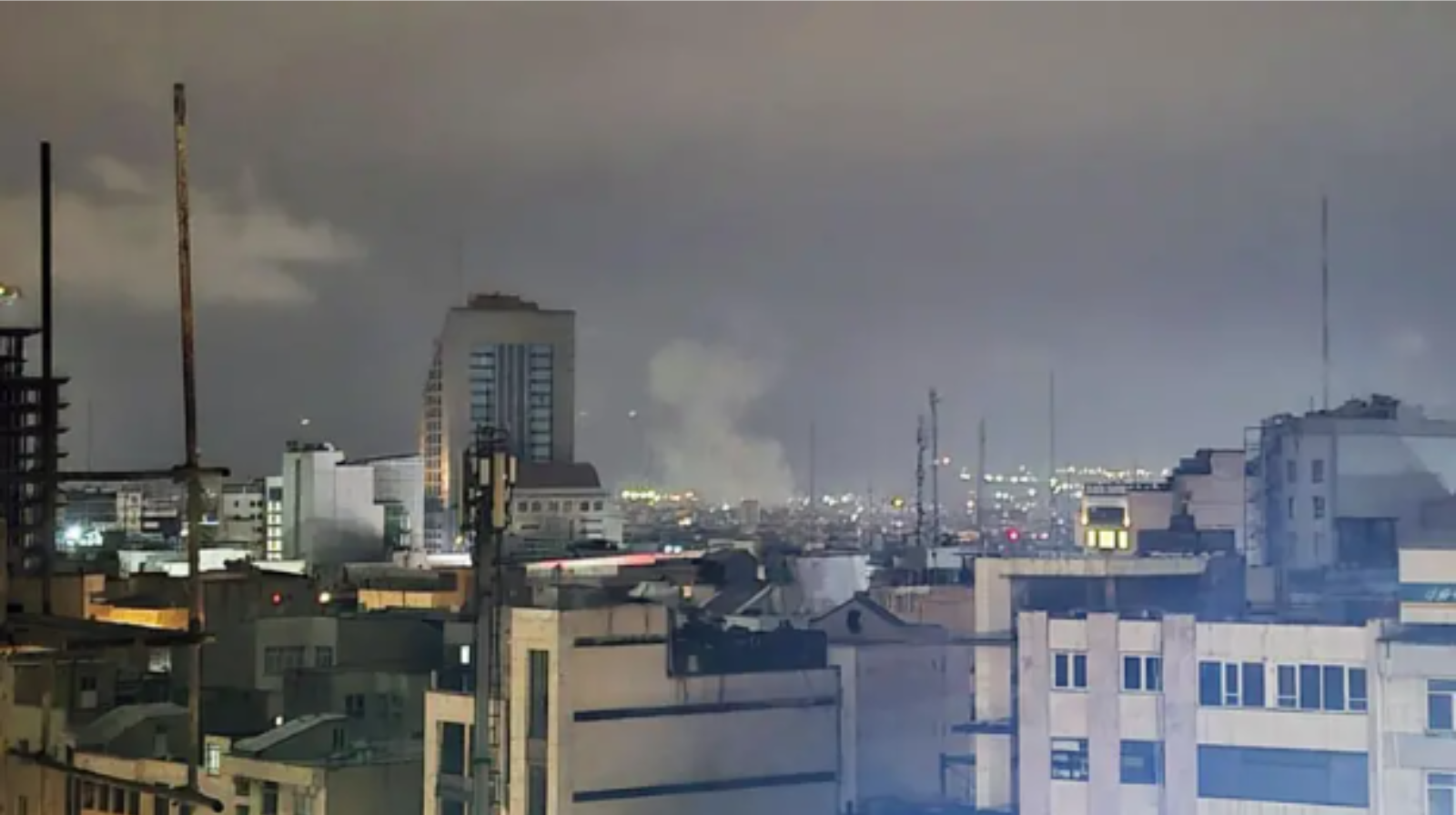
- Active Strikes: Recent Israeli operations against cruise missile sites in Tehran indicate that the “ceasefire” remains a theoretical concept rather than a tactical reality.