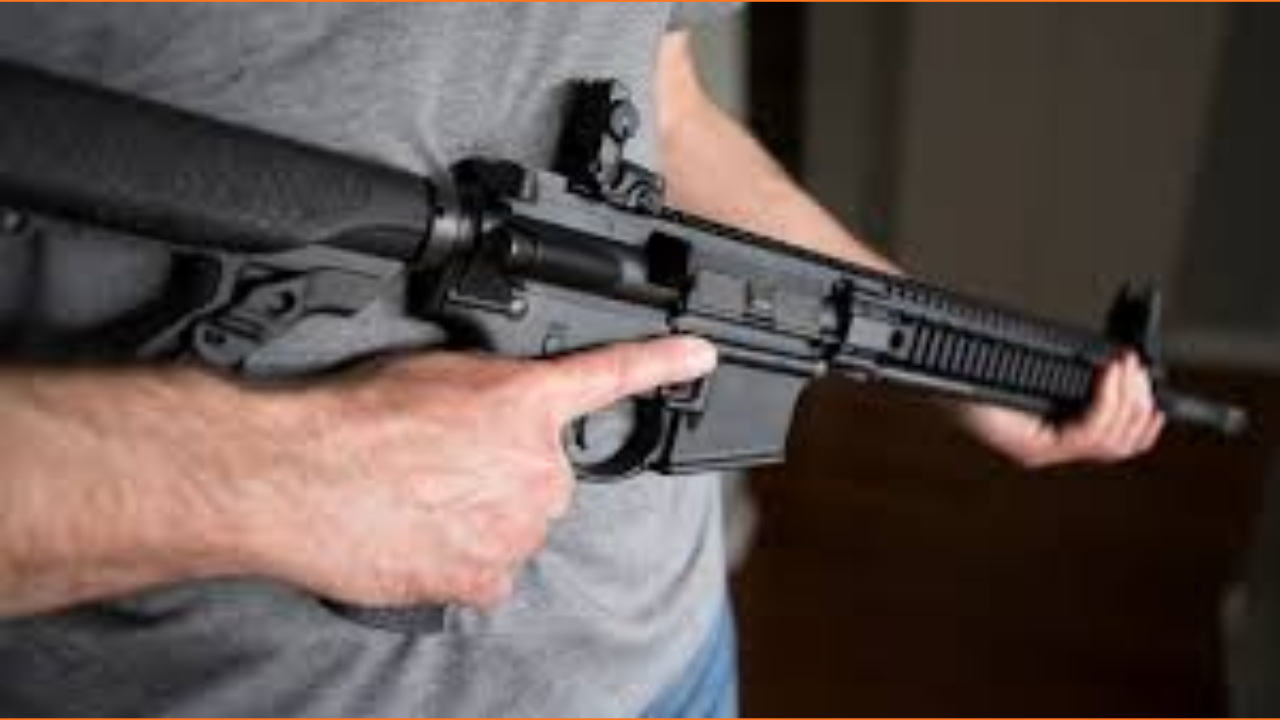
The federal government’s “Assault-Style Firearms Compensation Program” faced a rocky start during its initial trial phase. A six-week pilot program conducted in Cape Breton, Nova Scotia, resulted in the surrender of just 25 firearms—falling significantly short of the 200-firearm target set by officials.
Thank you for reading this post, don't forget to subscribe!The Challenges Identified
- Complex Online Portal: Many users found the digital registration process difficult to navigate.
- Instructional Gaps: Participants expressed confusion regarding how to properly declare their firearms and book collection appointments.
- Logistical Friction: Functional “gaps” in the system led to a lower-than-expected turnout during the fall 2025 trial period.
Next Steps and National Rollout
- New Support Tools: The launch of video tutorials and simplified step-by-step guides.
- Extended Timelines: A longer declaration period to ensure owners have enough time to comply.
- Provincial Support: An additional $12.4 million has been allocated to Quebec to help manage the program’s administration in that province.
The Looming Deadline
With an estimated 150,000 firearms still targeted for collection across the country, the government faces a tight timeline. The current amnesty period expires on October 30, 2026. After this date, owners of the banned models could face criminal charges for possession of a prohibited device.
The Big Picture: The program aims to remove approximately 2,500 models of firearms from circulation. While the business phase of the buyback successfully removed 12,000 units, the individual phase remains a logistical and political challenge for the Liberal government.