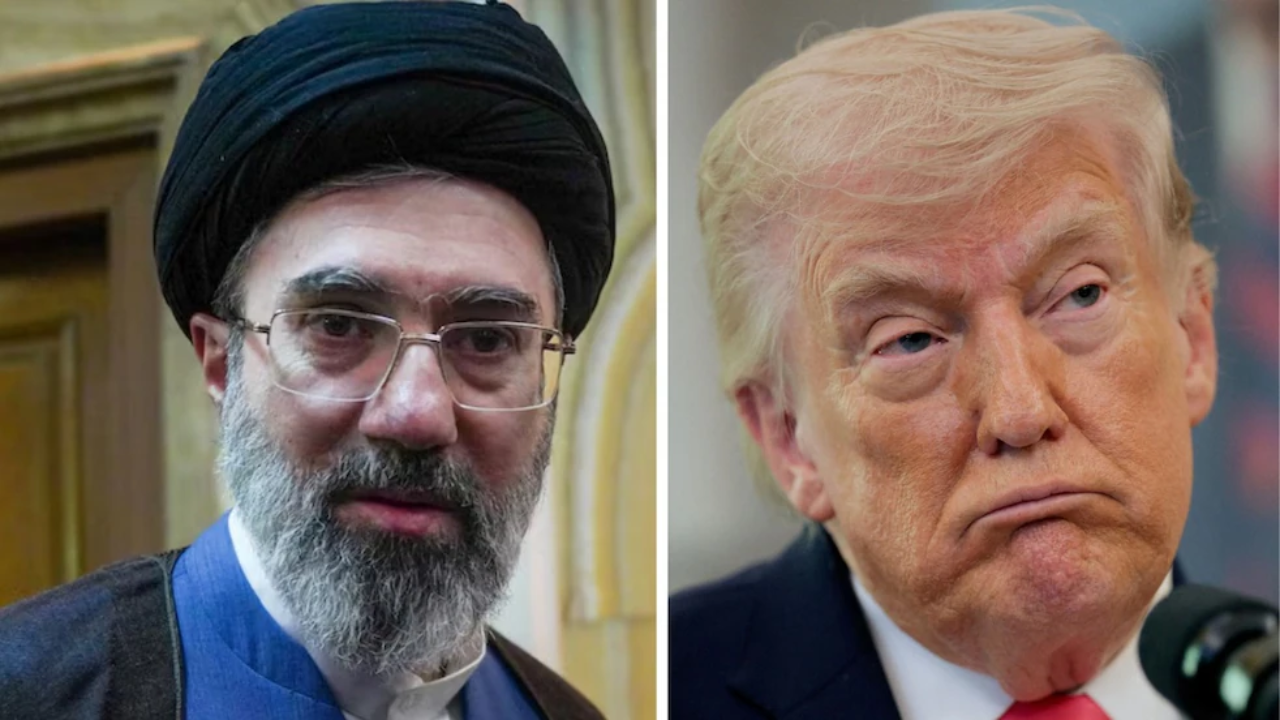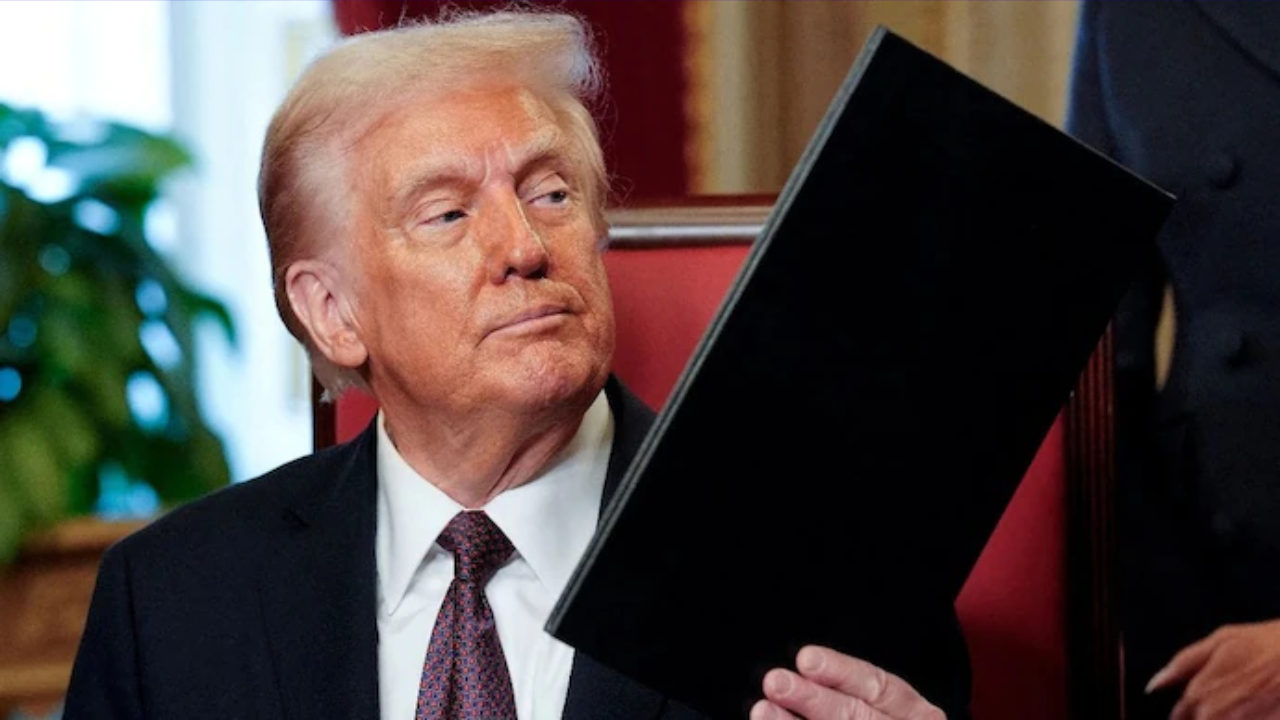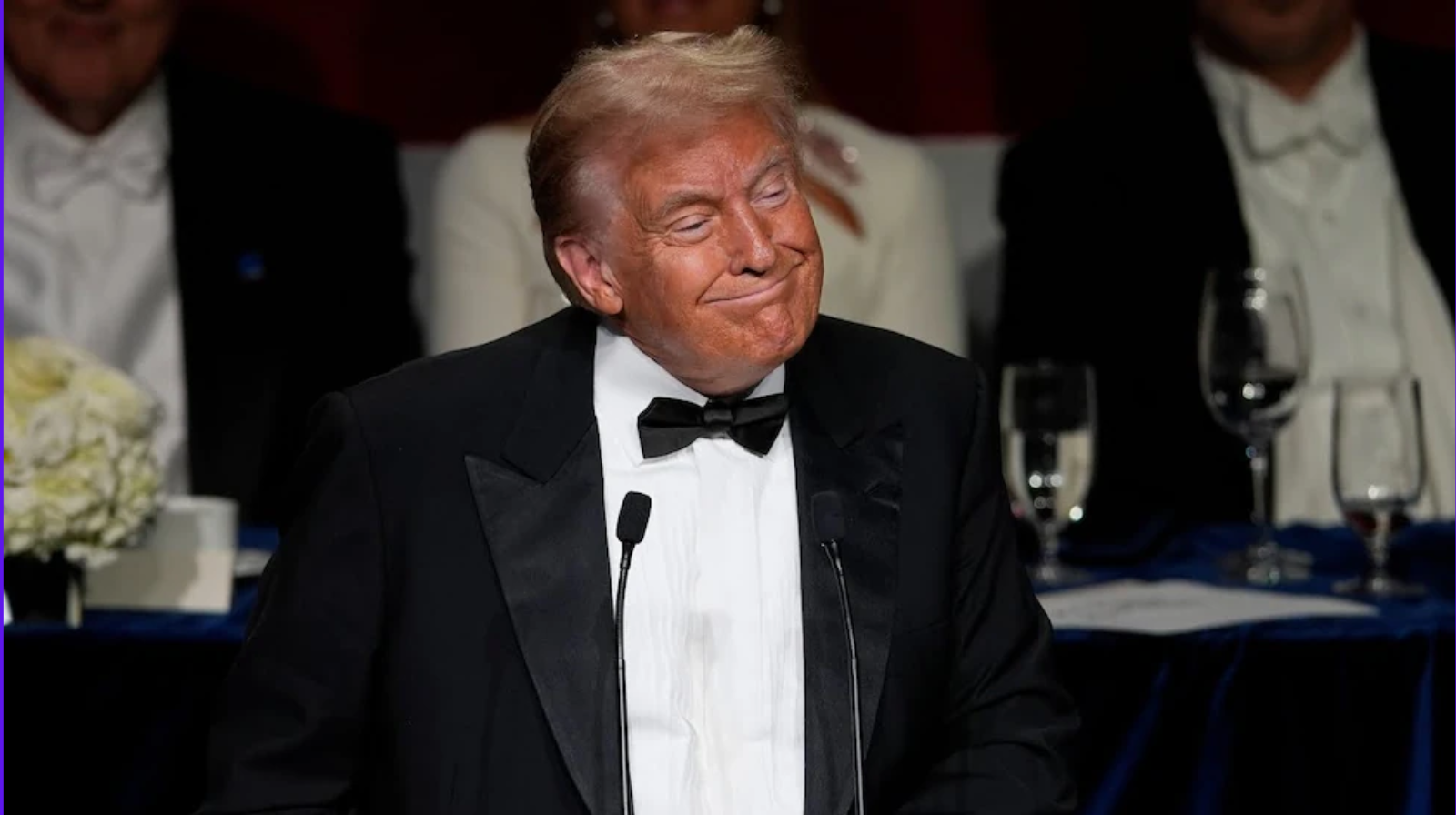
For the Iranian leadership, the invitation to the negotiating table in 2026 feels less like a peace offering and more like a tactical trap. The proverb “twice bitten, thrice shy” isn’t just a cliché here; it is the foundation of Iran’s current foreign policy.
Thank you for reading this post, don't forget to subscribe!Table of contents
Here is a breakdown of why Iran is greeting Trump’s “Maximum Pressure 2.0” with a cold shoulder.
The Trust Deficit: A History of Broken Vows
The primary barrier to any new treaty is the credibility gap left behind by the 2018 collapse of the JCPOA.
- The JCPOA Trauma: Iran views the unilateral U.S. exit from the nuclear deal as a masterclass in American unreliability. To Tehran, if a deal verified by the UN can be scrapped by a single executive order, no future signature can be trusted.
- The “Trap” Theory: Hardliners in the Majlis (Parliament) argue that Trump’s goal isn’t a better deal, but a “surrender document” that would strip Iran of its regional influence and defensive capabilities.
The Shadow of 2020
You can’t discuss U.S.-Iran relations without the ghost of Qasem Soleimani.
- Personalized Conflict: The 2020 drone strike transformed a geopolitical rivalry into a deeply personal one.
- The Red Line: For the Islamic Revolutionary Guard Corps (IRGC), negotiating with the man who ordered the strike is seen as a betrayal of their “martyr.” This internal political pressure makes any public handshake with Trump a massive domestic risk for Iranian pragmatists.
Negotiation by Fire
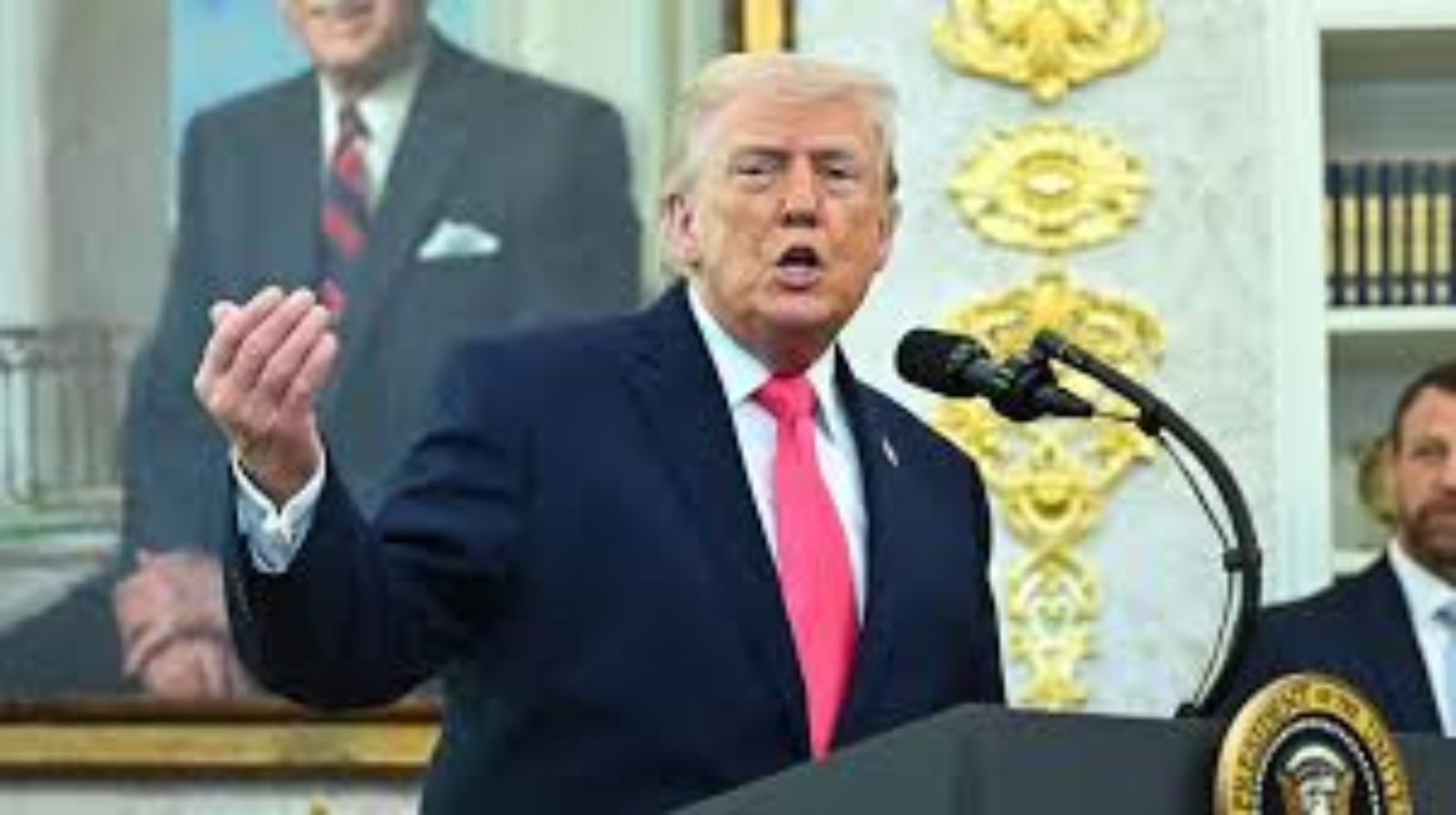
As of early 2026, the U.S. is pursuing a “Talk or Bleed” strategy. Iran views this as a fundamental contradiction:
- Economic Warfare: With sanctions aiming to choke off the last of Iran’s oil revenue, Tehran feels it is being asked to negotiate with a noose around its neck.
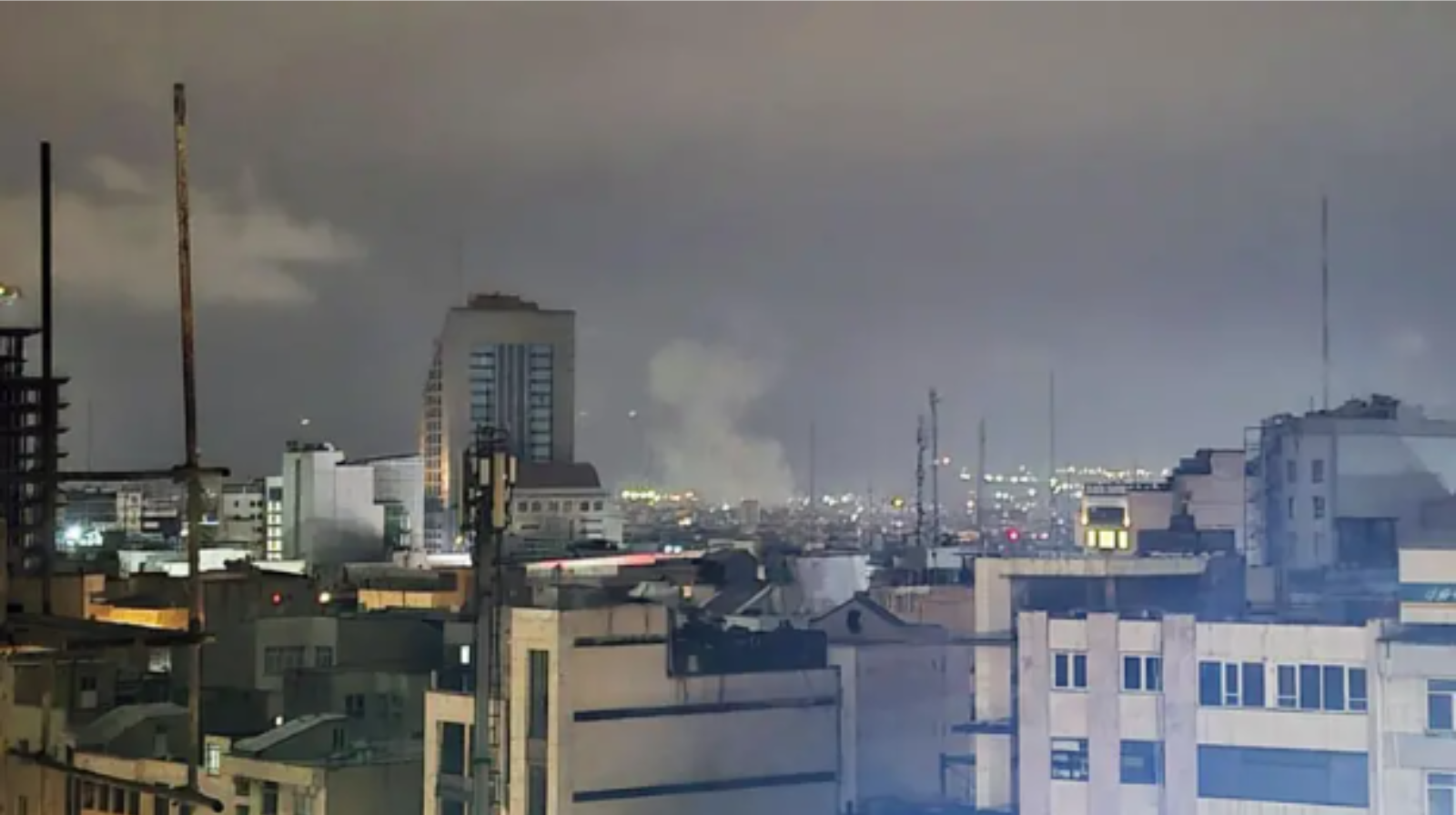
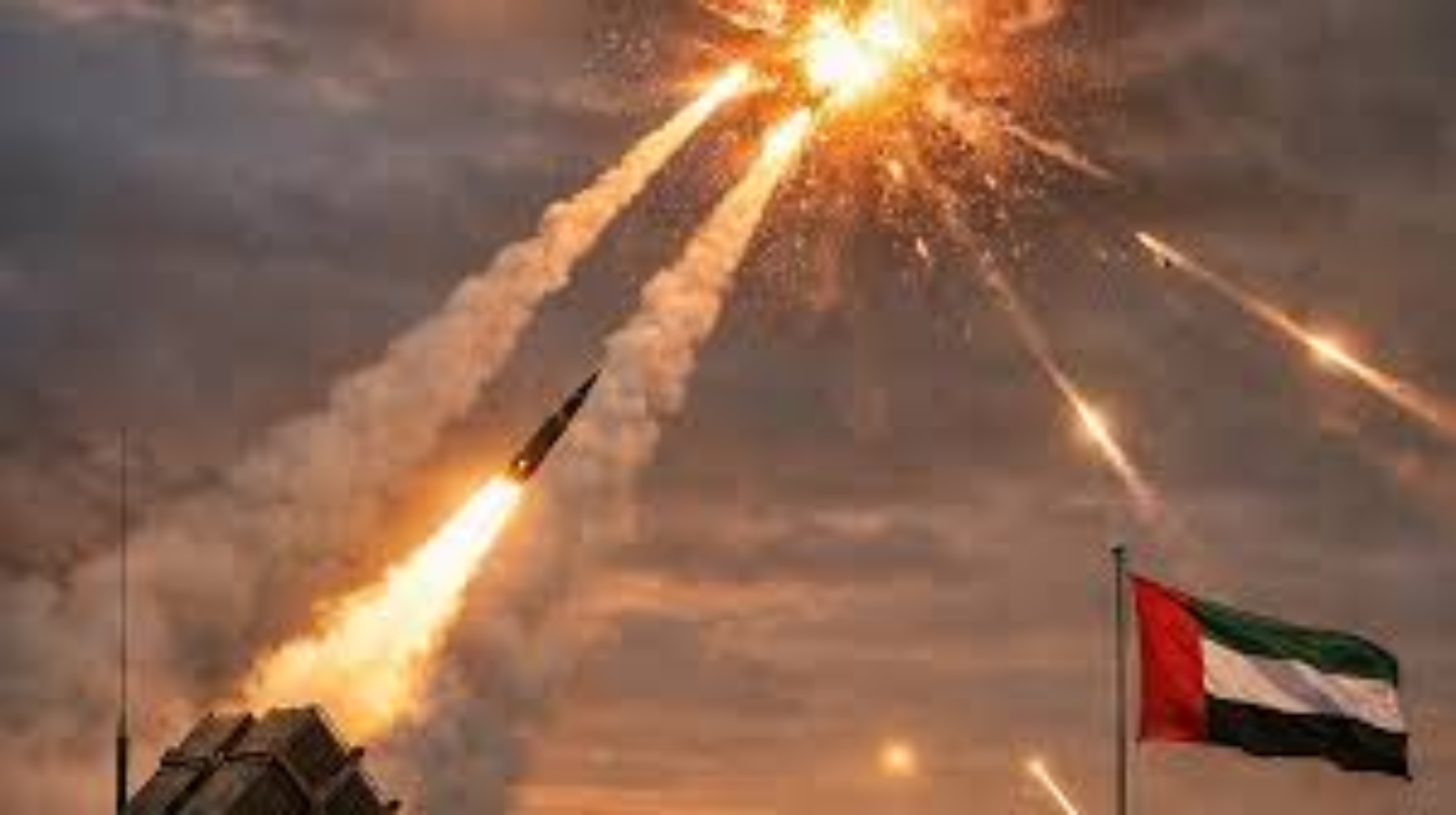
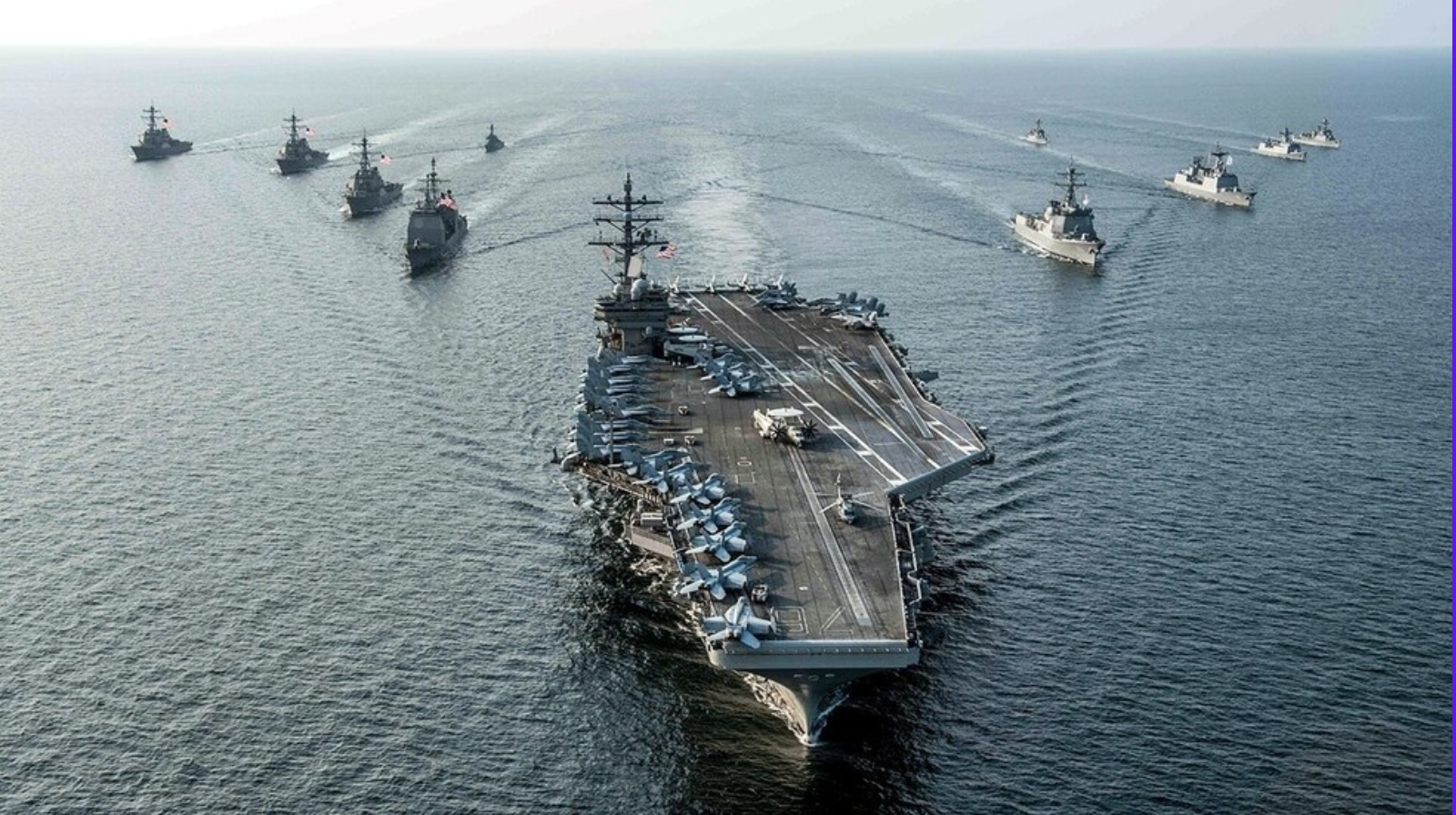
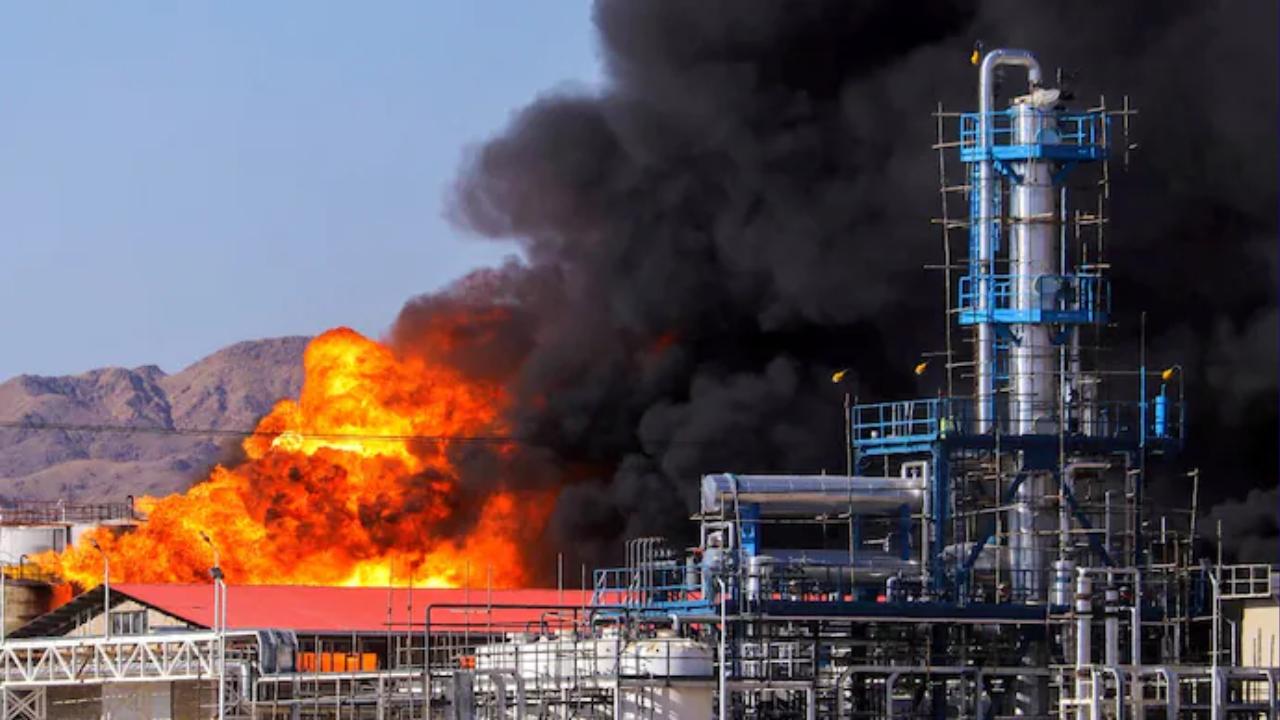
- Kinetic Pressure: Recent military strikes on Iranian infrastructure are interpreted not as “incentives” to talk, but as acts of aggression that require a “Strategic Resistance” response rather than a diplomatic one.
The Standoff: Strategic Objectives
| Trump’s Playbook | Iran’s Counter-Move |
| Leverage: Use crippling sanctions to force a “total” deal. | Endurance: Weather the storm until the U.S. political cycle shifts again. |
| Personal Diplomacy: Rely on direct, high-stakes summits. | Institutional Rigidity: Insist on technical, multi-party frameworks (like the P5+1). |
| Isolation: Cut Iran off from its regional “Axis of Resistance.” | Integration: Deepen ties with the BRICS bloc and China to bypass the Dollar. |