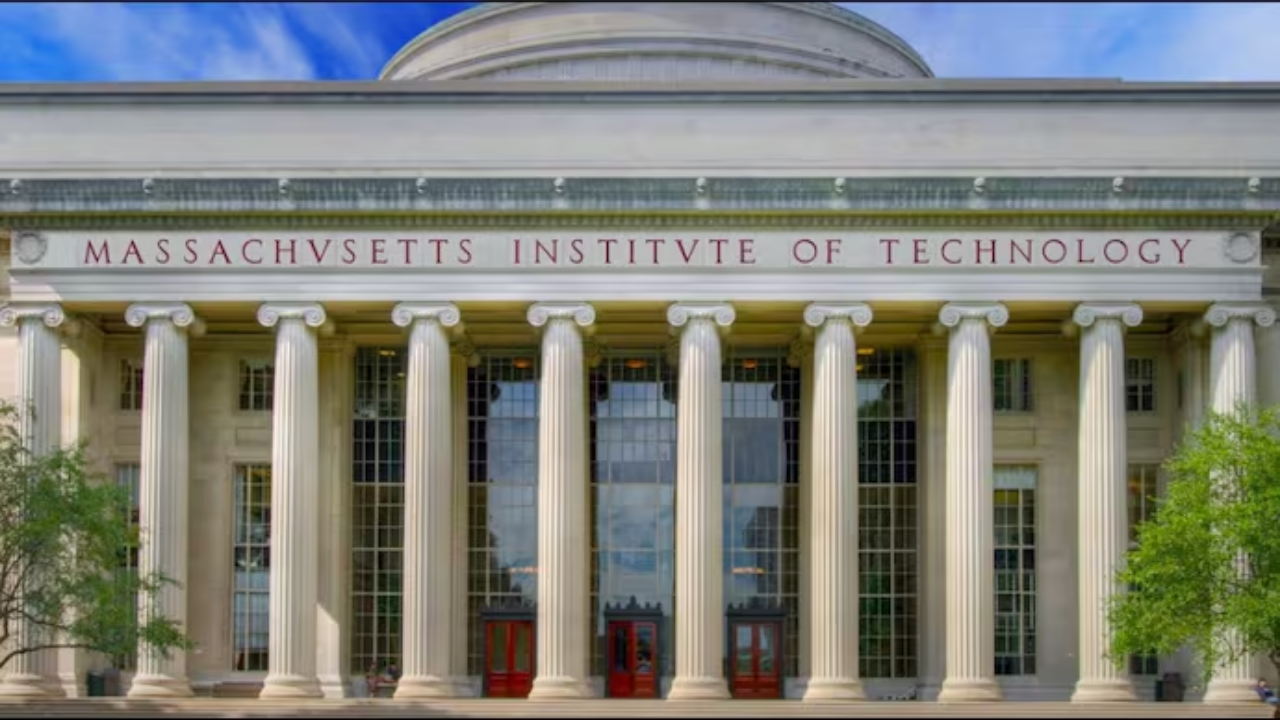
The Massachusetts Institute of Technology (MIT) has taken a strong stand against the White House, becoming the first university to publicly reject the Trump administration’s “Higher Education Compact.” This proposal sought to link access to massive federal research grants with universities adopting specific political and policy changes.
Thank you for reading this post, don't forget to subscribe!In a letter to the administration, MIT President Sally Kornbluth made it clear that the university “cannot support” the plan, citing a fundamental conflict with core academic values.
“Scientific funding should be based on merit alone,” Kornbluth wrote, emphasizing that MIT’s independence is not up for negotiation.
What the White House Demanded
The Compact—circulated to nine leading universities including Brown, Dartmouth, and USC—was framed by the administration as a way to renew government-academia ties, but it came with several controversial stipulations:
- Admissions: Mandate the use of SAT or ACT scores and prohibit considering race or sex in admissions.
- Affordability: Require schools with large endowments to freeze tuition for five years and offer free tuition for science students.
- Campus Life: Adopt a binary definition of gender for campus life and athletics, and align institutional policies with the administration’s political agenda on free speech.
Resistance Mounts Nationwide
MIT’s rejection sets a precedent as other universities face immense pressure to comply.
- Political Coercion: Faculty, students, and local governments have widely condemned the deal as “political coercion” and an “unacceptable act of federal interference.”
- State-Level Threats: State Democrats have issued warnings, with the Virginia Senate threatening to cut funding to the University of Virginia (UVA) and California Governor Gavin Newsom issuing a similar warning to the University of Southern California (USC) if they sign the compact.
- Legal Concerns: Even conservative policy experts, like Frederick Hess of the American Enterprise Institute, called the demands “profoundly problematic” and “ungrounded in law.”
While institutions like Brown and UVA are gathering campus input before making a final decision, MIT’s swift and firm refusal signals a major flashpoint over academic freedom and the political influence on scientific research.
I can provide a table comparing the different policy stances MIT already takes versus the demands of the Compact. Would that be helpful?