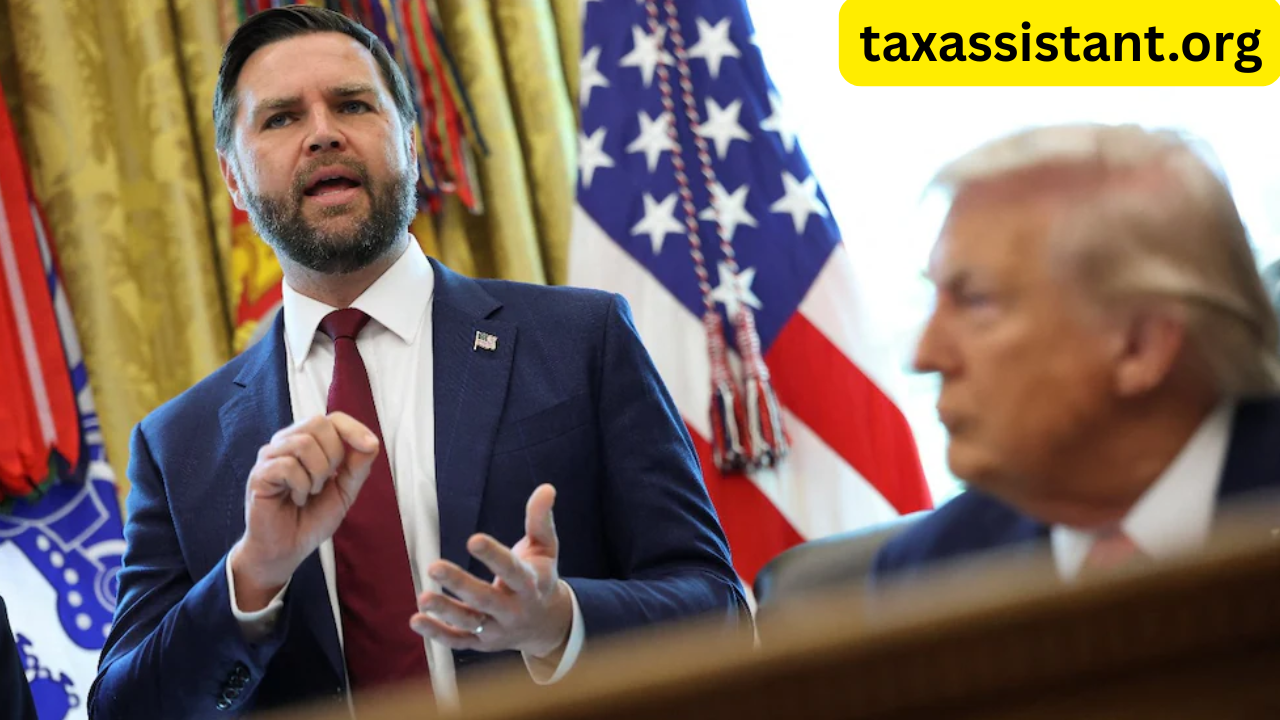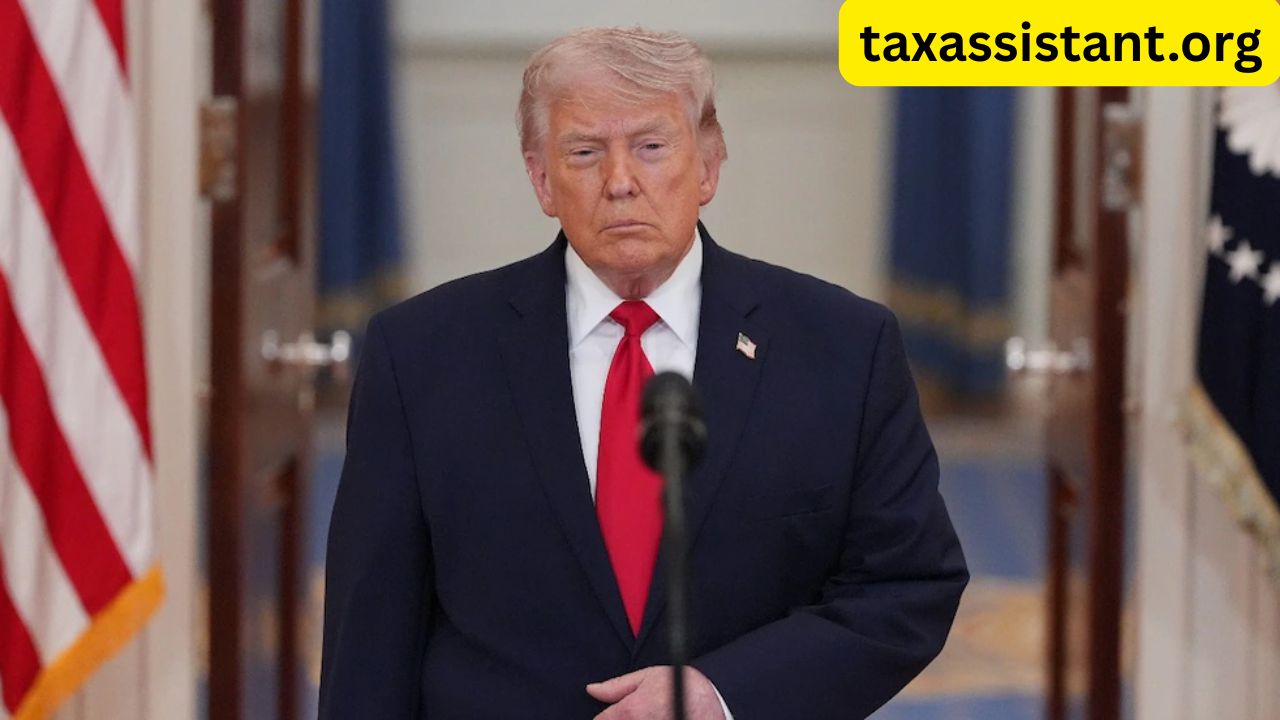
The Trump administration’s 2027 budget request marks a historic pivot in American fiscal policy, proposing a record-breaking $1.5 trillion for the Department of Defense. This “military-first” strategy aims to bolster national security at the direct expense of federal domestic programs.
Thank you for reading this post, don't forget to subscribe!The Fiscal Trade-Off
The budget creates a sharp divide between international defense and internal social spending:
- The Defense Surge: At $1.5 trillion, the request represents a roughly 40% increase in military resources. This covers both base operations and emergency mandatory funding to sustain high-tempo combat readiness.
- The Domestic Retreat: To offset military growth, the proposal slashes non-defense discretionary spending by 10% ($73 billion).
- Federal Decentralization: The White House is pushing to offload the financial responsibility for Medicaid, Medicare, and childcare to individual states, effectively shrinking the federal government’s role in the social safety net.
Strategic Rationale
The administration justifies this aggressive spending realignment through three primary lenses:
- Active Conflict: With the ongoing war in Iran costing an estimated $2 billion daily, a massive portion of this budget is dedicated to replenishing munitions and sustaining active-duty deployments.
- Great Power Competition: Significant capital is directed toward the Indo-Pacific to counter Chinese naval expansion and to fast-track the “Golden Dome” missile defense project.
- Industrial Mobilization: The proposal seeks to revitalize the domestic defense industrial base, treating military manufacturing as a core pillar of national economic strength.
The Congressional Obstacle Course
While the budget signals the President’s intent, it faces significant hurdles:
- The $39 Trillion Debt: Critics argue that adding record defense spending to a nearly $40 trillion national debt is unsustainable without more comprehensive tax or entitlement reform.
- Ongoing Shutdown: This proposal arrives during an unprecedented 49-day partial government shutdown, leaving many skeptical about whether a divided Congress can reach a consensus on such drastic spending shifts.
- Legislative Authority: Ultimately, Congress holds the “power of the purse,” and many of the proposed cuts to domestic agencies are expected to meet fierce bipartisan resistance.