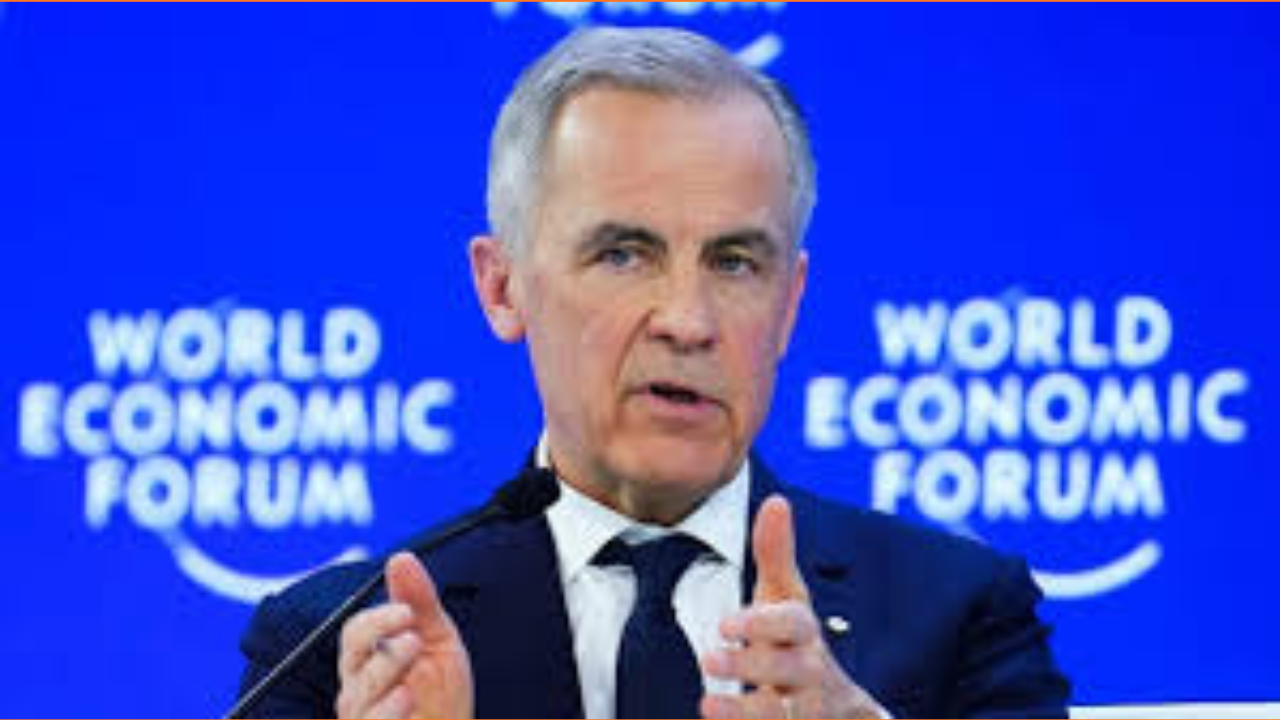
In a speech that sent shockwaves through the 2026 World Economic Forum in Davos, Canadian Prime Minister Mark Carney delivered what many are calling a “geopolitical eulogy.” Moving away from Canada’s traditional role as a bridge-builder, Carney bluntly characterized the “rules-based international order” as a “useful fiction” that has finally collapsed under the weight of great-power aggression.
Thank you for reading this post, don't forget to subscribe!Key Takeaways: A “Rupture” in Diplomacy
Carney’s address was not just a policy update; it was a fundamental rejection of the status quo. He identified several “brutal realities” facing middle-power nations today:
- Integration as a Weapon: Carney argued that global trade and financial systems, once intended for mutual prosperity, are now being used as tools of coercion. He noted that supply chains are being treated as “choke points” and financial networks as “weapons.”
- The Myth of Equality: He admitted that middle powers like Canada have long “performed the rituals” of international law while knowing that the strongest nations—specifically the U.S.—always granted themselves exemptions when interests conflicted.
- The Subordination Trap: In a direct challenge to the U.S. administration’s transactional approach, Carney warned that bilateral deals with a hegemon are not a sign of sovereignty, but rather a “performance of sovereignty” that masks actual subordination.
“The Table or the Menu”
The most discussed moment of the speech was Carney’s call for a new coalition. He urged nations that are neither superpowers nor vassals to stop seeking the favor of hegemons and instead build a “Third Path.”
The Brewing North American Conflict
The speech has created an immediate diplomatic rift. Following Carney’s remarks:
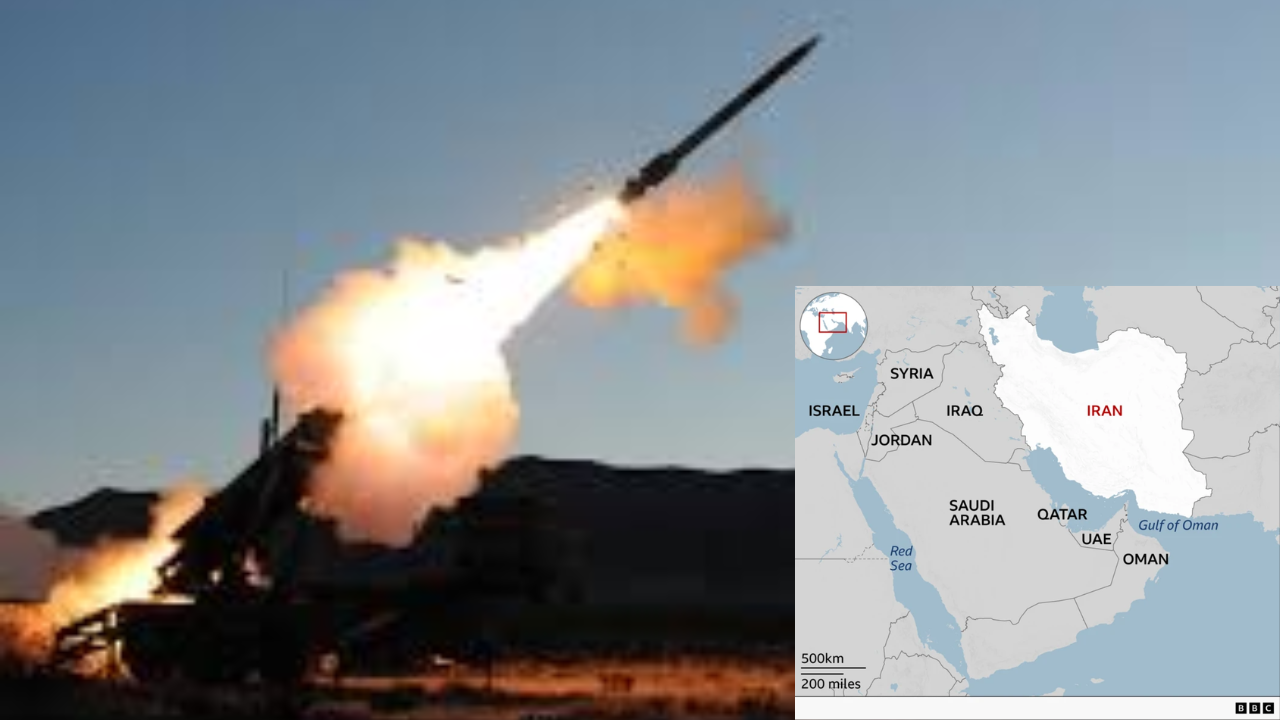
- U.S. Retaliation: President Trump responded by reminding Canada that its security is entirely dependent on American protection, specifically citing the “Golden Dome” missile defense system.
- A Shift in Strategy: This marks the first time a Canadian leader has so publicly and aggressively questioned the value of the U.S.-Canada security and trade relationship in front of a global audience.