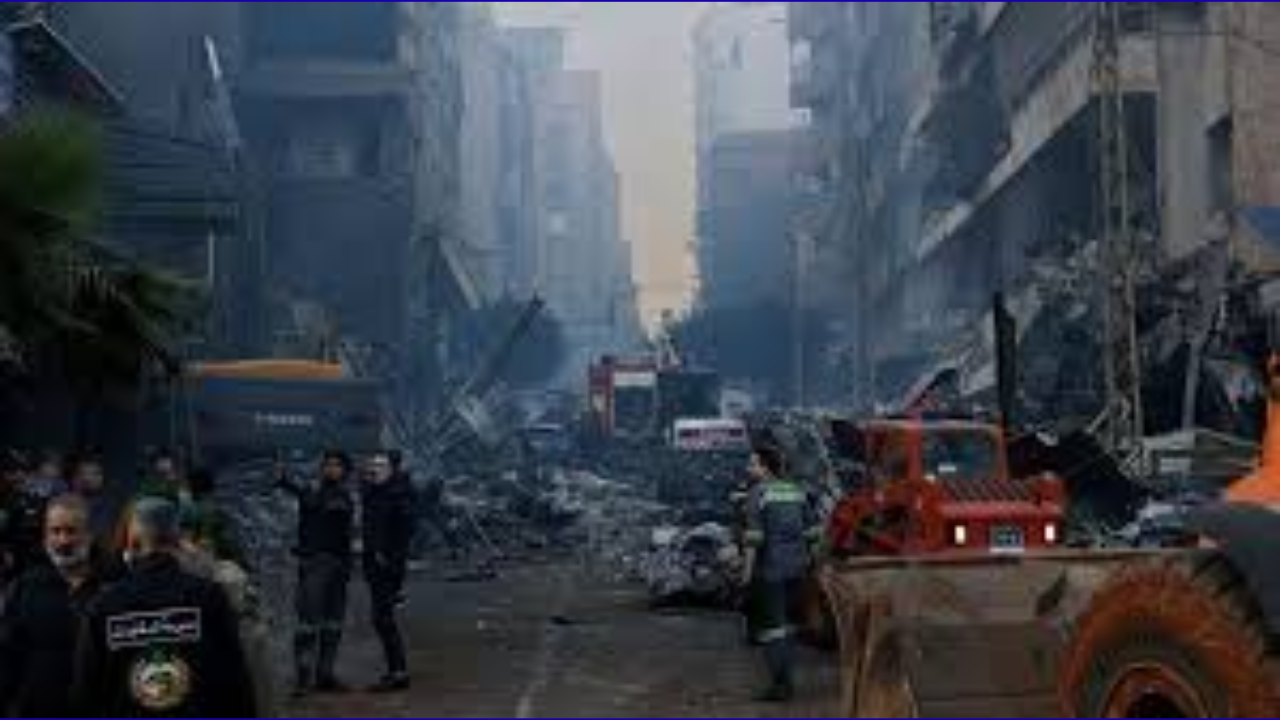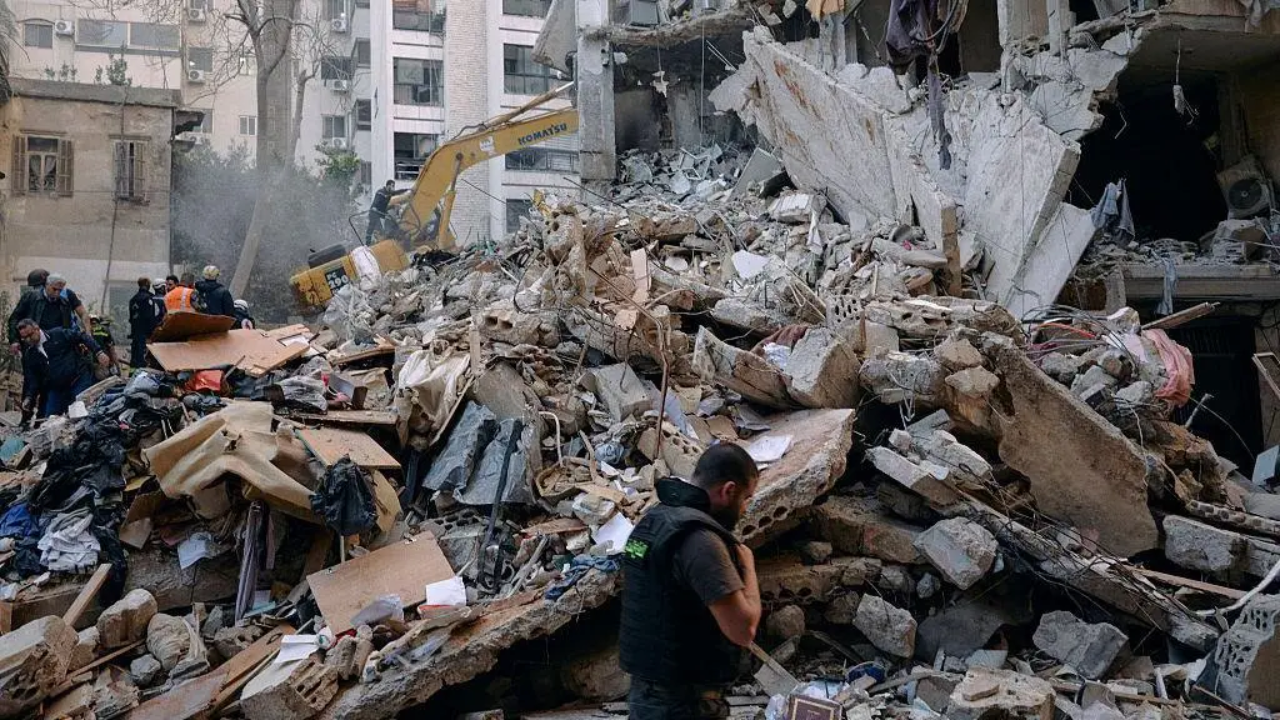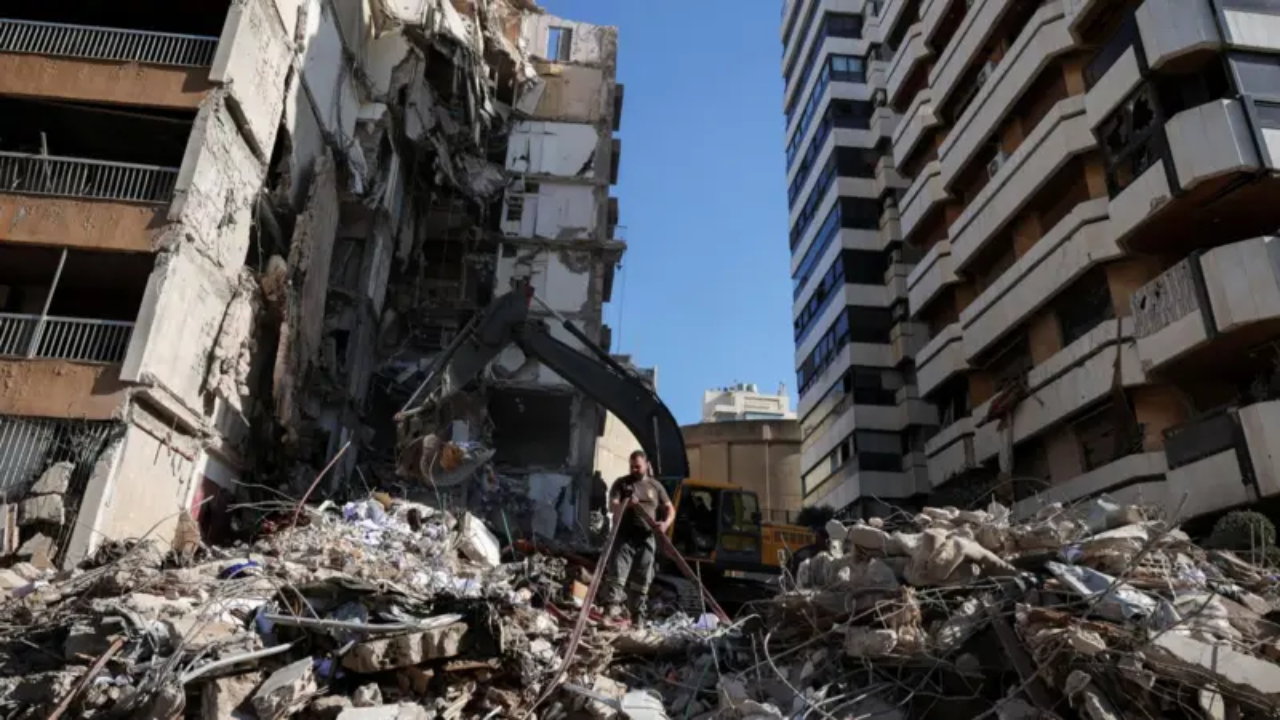
The devastating strikes on Beirut on April 8, 2026, which resulted in more than 250 fatalities, have signaled a sharp departure from previous military containment. While the humanitarian cost is immense, the strategic intent behind the escalation is becoming increasingly clear.
Thank you for reading this post, don't forget to subscribe!1. Strategic Decoupling
Israel is currently working to “decouple” the conflict in Lebanon from broader regional negotiations. By launching these strikes immediately following the U.S.-Iran ceasefire announcement, Jerusalem has signaled that it views Hezbollah as a localized threat that must be addressed independently of any truce with Tehran. This suggests a long-term refusal to allow a regional pause to serve as a recovery period for Lebanese militants.
2. Transition to a “Security Zone” Model
The IDF’s objectives have evolved from the total disarmament of Hezbollah to a more pragmatic—though geographically aggressive—Security Zone strategy. Key components include:
- The Buffer Mandate: The creation of a 2–3 km “no-go zone” inside southern Lebanon to physically prevent ground incursions.
- Sustained Attrition: Shifting from “eliminating” the group to a policy of permanent degradation, targeting high-level leadership and logistics hubs to keep the organization in a constant state of repair.
3. Domestic Pressure and Political Fault Lines
The expansion of targets into central Beirut and non-traditional strongholds suggests a strategy of internal leverage. By making the cost of Hezbollah’s presence felt across all of Lebanon’s sectarian groups, Israel aims to:
- Incentivize the Lebanese government and the Lebanese Armed Forces to act against the group.
- Create a political environment where the group’s presence is seen as a national liability rather than a “resistance” force.
The Outlook
This strategy is a high-stakes gamble. While Israel aims for a political collapse of Hezbollah’s influence through military pressure, the immediate response has been a resurgence of cross-border rocket fire. The long-term success of this approach depends entirely on whether the Lebanese state has the will—or the capacity—to fill the vacuum created by the IDF’s strikes.