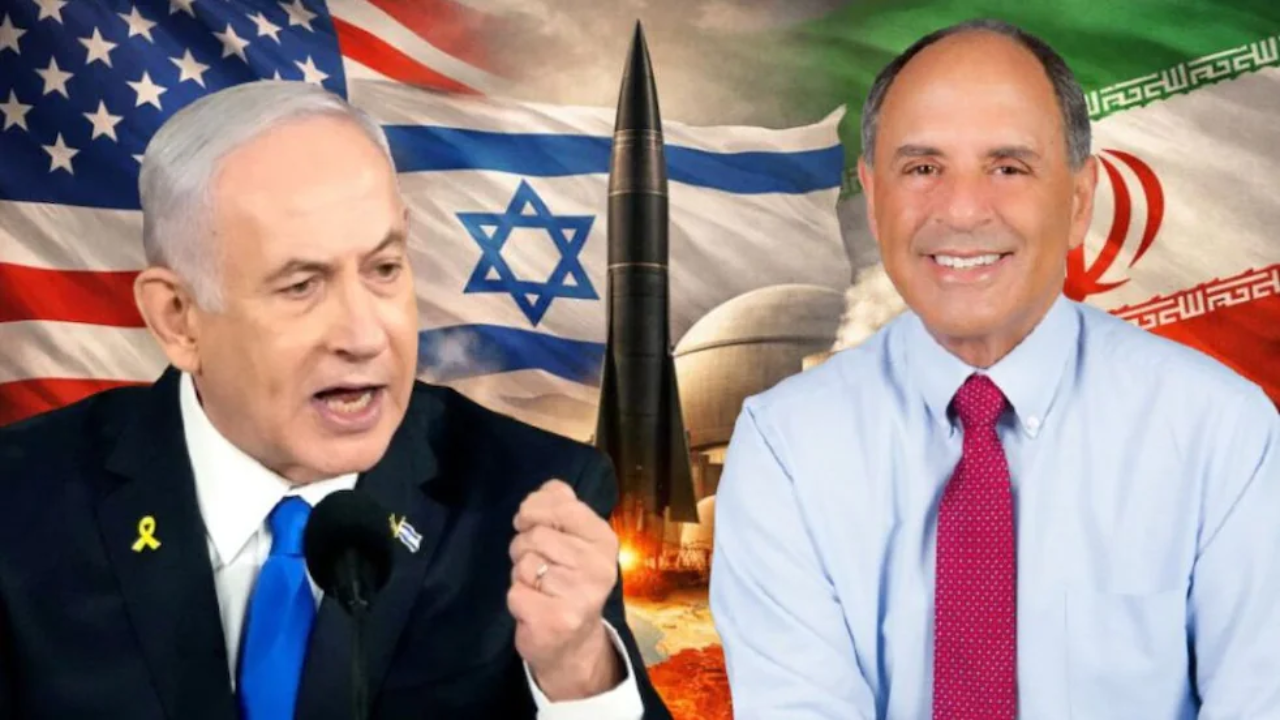
In a recent exclusive, Chuck Freilich, Israel’s former Deputy National Security Adviser, provided a sobering assessment of the 40-day conflict known as Operation Epic Fury. While acknowledging the sheer scale of Israel and U.S. battlefield dominance, Freilich argues that the lack of a “grand strategy” has turned a military triumph into a political stalemate.
Thank you for reading this post, don't forget to subscribe!The Military Achievement: A Masterclass in Degradation
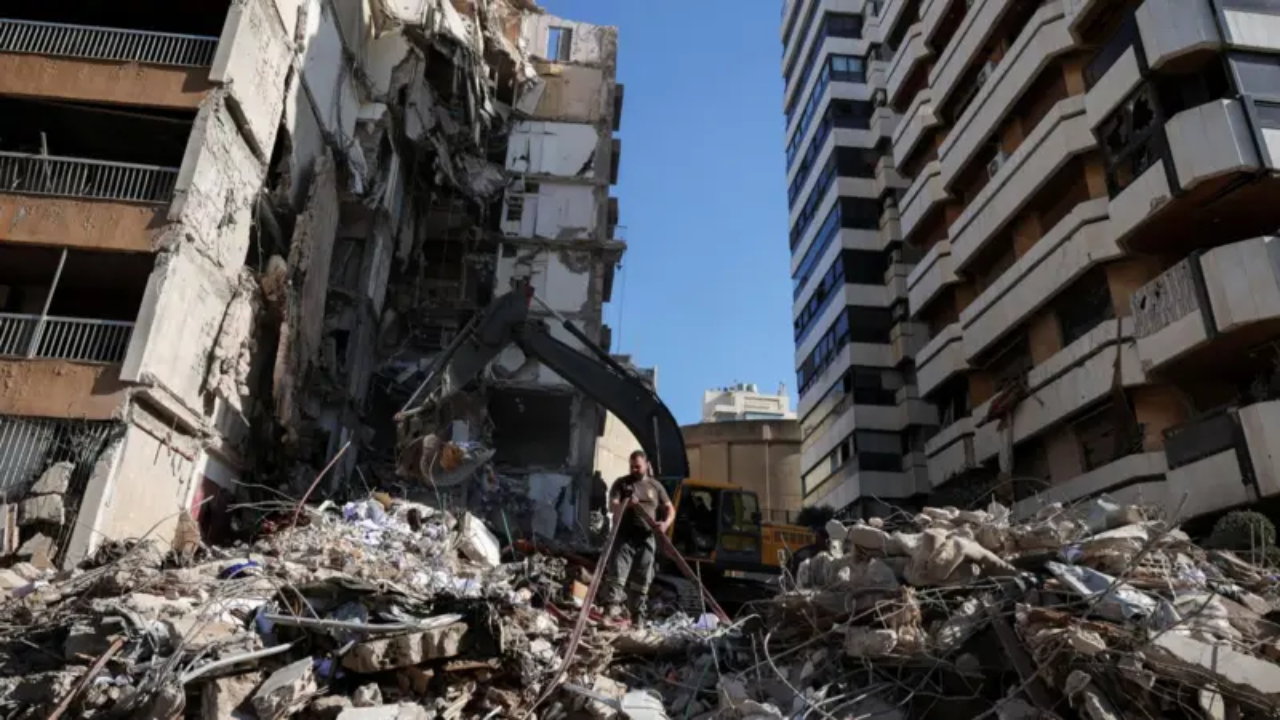
- Systemic Destruction: Iran’s air-defense network was neutralized, and its conventional navy and air force were effectively dismantled.
- Nuclear Setbacks: Significant damage was dealt to the infrastructure of Iran’s nuclear program.
- Capacity Capping: Iran’s military-industrial complex was hit hard enough to prevent sustained, large-scale missile volleys, forcing them into a much lower “maintenance” level of daily fire.
The Strategic Failure: The “Survivor” Narrative
- Regime Persistence: The Iranian government remains in power. Freilich asserts that for a regional power like Iran, simply surviving an all-out assault by a superpower (the U.S.) is framed as a symbolic victory.
- Nuclear Incentive: Rather than deterring nuclear ambitions, the damage to conventional forces may have convinced Tehran that a nuclear “shield” is the only way to ensure future survival.
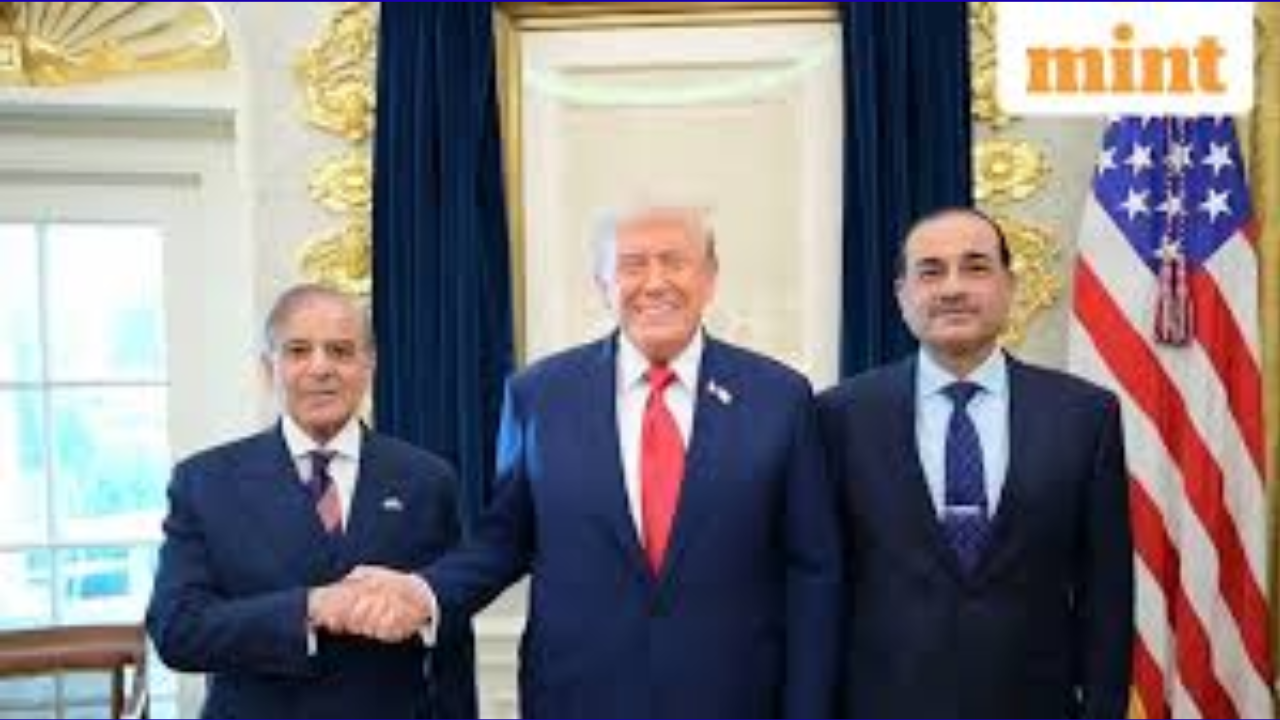
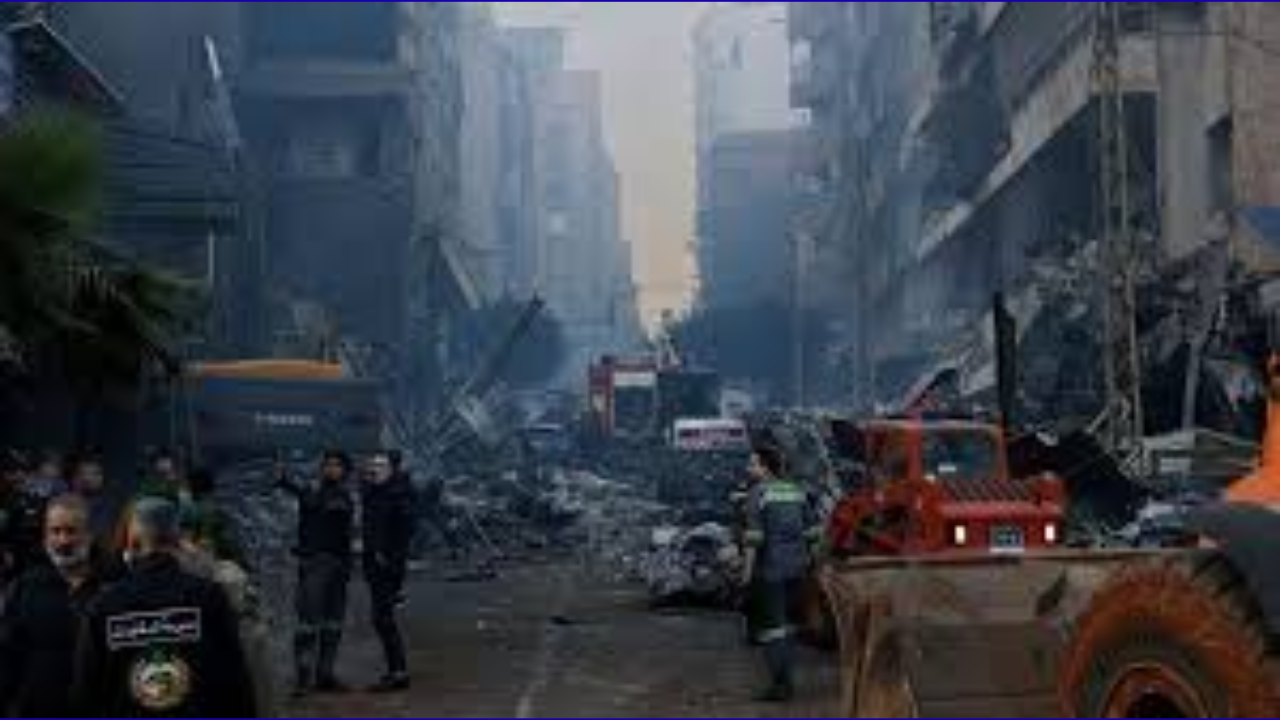
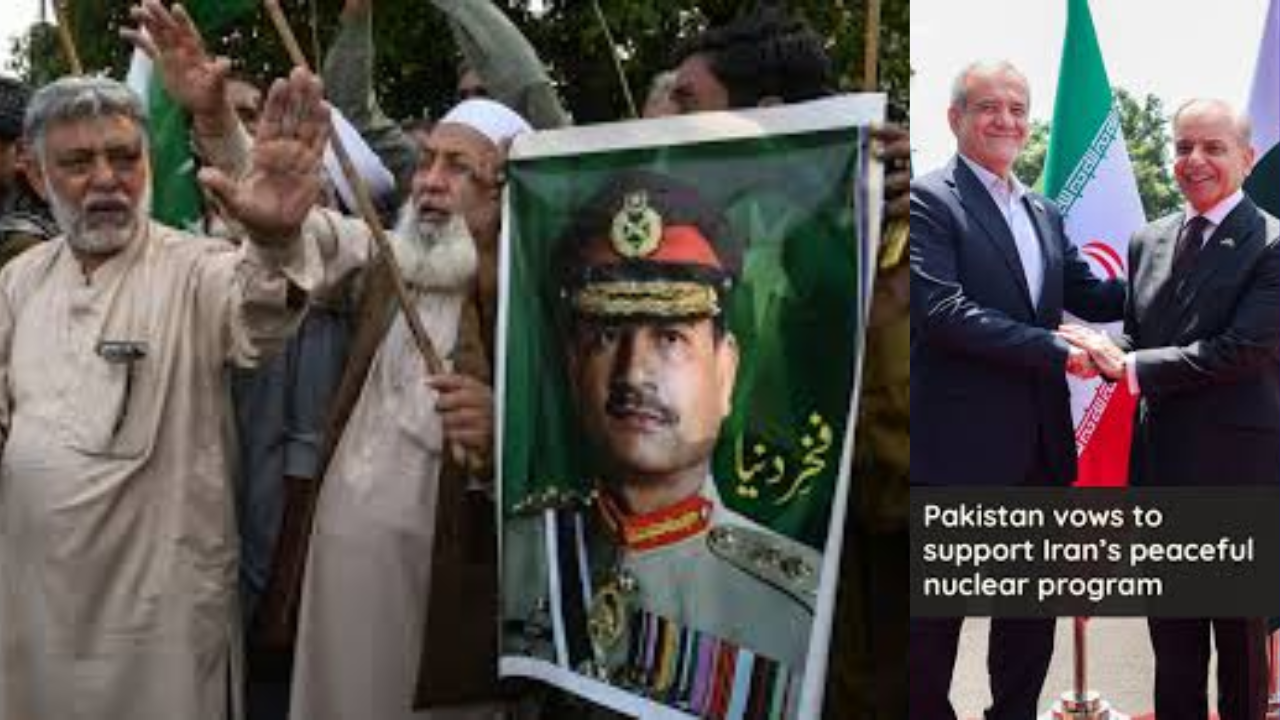
- The “Islamabad Accord” Ambiguity: The ceasefire, brokered by Pakistan on April 8, 2026, is rife with contradictions. While Iran views the truce as comprehensive, Israel continues to strike Hezbollah targets in Lebanon, arguing that the accord does not cover Iranian proxies.
- Economic Asymmetry: Iran successfully leveraged global economic pain—specifically oil price spikes—to pressure the U.S. into a diplomatic exit before Israel’s primary objectives were fully met.
The Current Outlook: A Fragile Pause
The Bottom Line: Freilich warns that without a clear plan for “the day after” or a permanent solution to the nuclear threat, Operation Epic Fury may be remembered as just another chapter in a long-term war of attrition, rather than a definitive conclusion.