In a high-stakes diplomatic move, the United States has reportedly funneled a 15-point ceasefire plan to Tehran through Pakistani intermediaries. Despite the reach-out, Iranian officials have publicly brushed off the proposal, maintaining that they will not engage in direct negotiations with Washington while hostilities continue.
Thank you for reading this post, don't forget to subscribe!The Proposal at a Glance
- Nuclear & Missile Caps: A total halt to uranium enrichment and strict limitations on the range and production of ballistic missiles.
- Regional De-escalation: An end to Iranian support for proxy groups and a guarantee of “freedom of navigation” through the Strait of Hormuz.
- Economic Incentives: Full lifting of U.S. sanctions and support for a civilian-only nuclear energy program in exchange for total compliance.
Tehran’s Defiance
- Direct Dismissal: Iranian state media and the UN mission have denied that any formal negotiations are taking place, labeling the U.S. overtures as “psychological warfare.”
- Pre-conditions for Peace: Iranian officials are demanding full reparations for recent infrastructure damage and a legal guarantee that the U.S. will not strike again before they even consider a seat at the table.
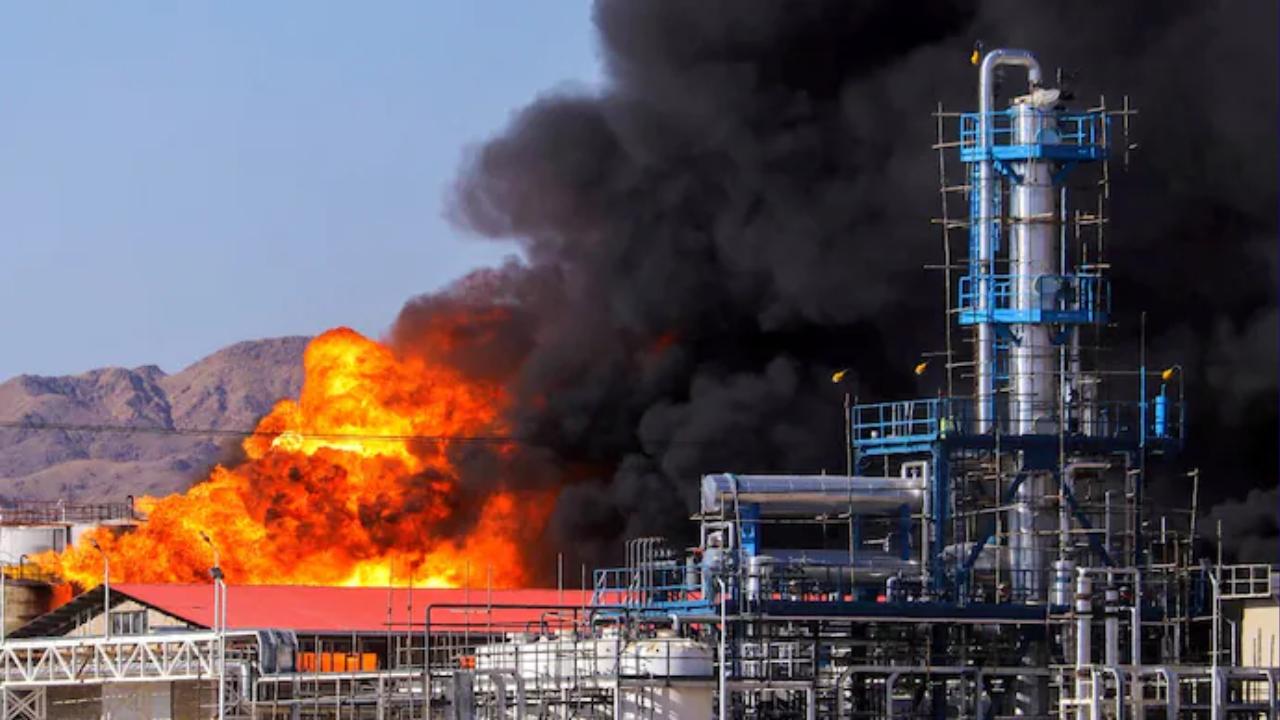
- Ongoing Military Activity: Even as the plan circulated, drone and missile exchanges continued, signaled by recent strikes on naval assets and regional energy hubs.