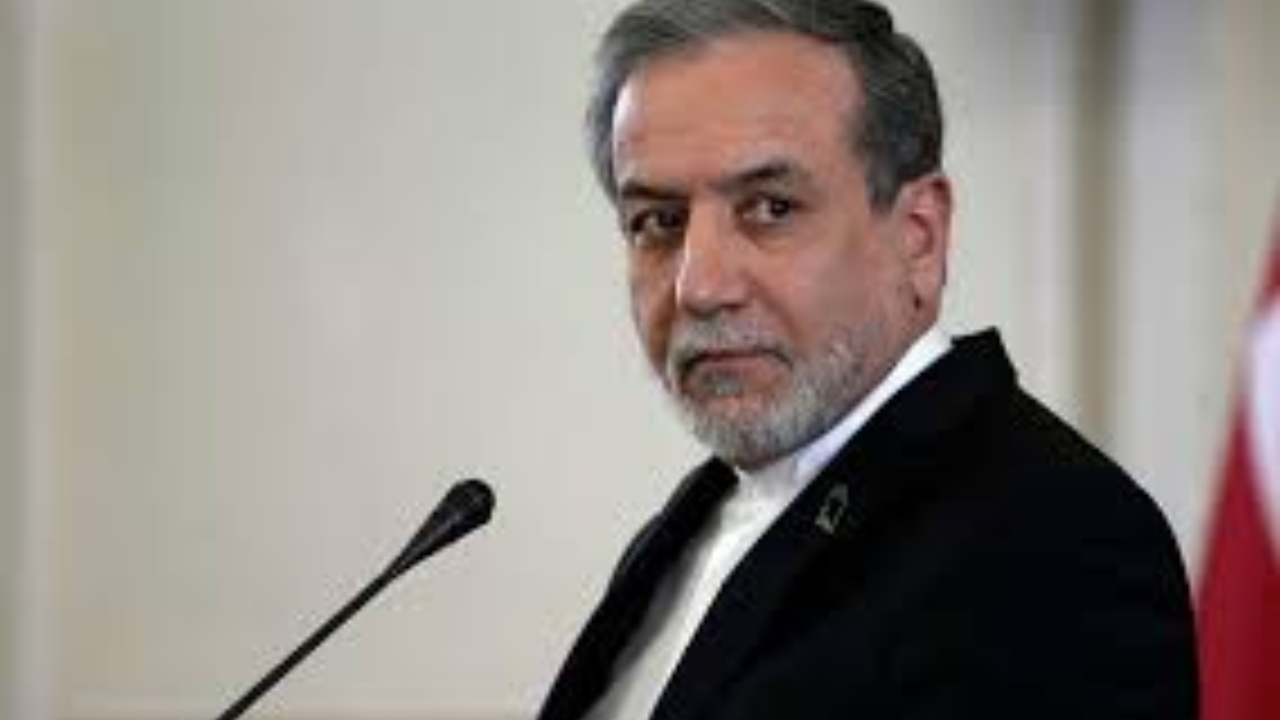
Iranian Foreign Minister Abbas Araghchi signaled Tehran’s readiness for military confrontation during a high-stakes visit to Beirut on January 8, 2026. Araghchi emphasized that while Iran is not actively seeking a wider regional war, it will not hesitate to launch a significant counter-offensive if its sovereignty is violated again.
Thank you for reading this post, don't forget to subscribe!Core Strategic Points
- Ready for Retaliation: Araghchi dismissed past U.S. and Israeli military operations as “failures” and asserted that Iran’s defense systems and missile capabilities are at peak readiness.
- Shift Toward Preemption: In a notable policy shift, Tehran’s Defense Council has suggested it may no longer wait to be hit, indicating that “preemptive action” is now an active part of their military doctrine.
- Nuclear Diplomacy vs. Defiance: Araghchi stated that while the door to nuclear negotiations isn’t fully closed, Tehran will reject any “dictated” terms from the Trump administration’s “maximum pressure” campaign.
Recent Context: A Region on Edge
The current standoff is the result of a volatile 18-month period marked by direct military engagement:
- The June 2025 War: A brief but intense 12-day conflict where Israel targeted high-level Iranian officials and the U.S. conducted precision strikes on nuclear sites in Natanz and Isfahan.
- U.S. Policy: The White House has maintained a “zero-tolerance” policy regarding Iran’s nuclear enrichment, threatening further strikes if infrastructure is rebuilt.
- Domestic Pressure: Internally, the Iranian government is grappling with a new wave of nationwide protests. Officials have blamed these “riots” on foreign interference by Western intelligence agencies.
The Significance of the Beirut Visit

"Suresh Kumar Saini is an experienced Tax Assistant and finance writer. He specializes in US & Canada Tax Guide, Indian Income Tax laws, GST compliance, and personal finance, helping freelancers and remote workers optimize their taxes."