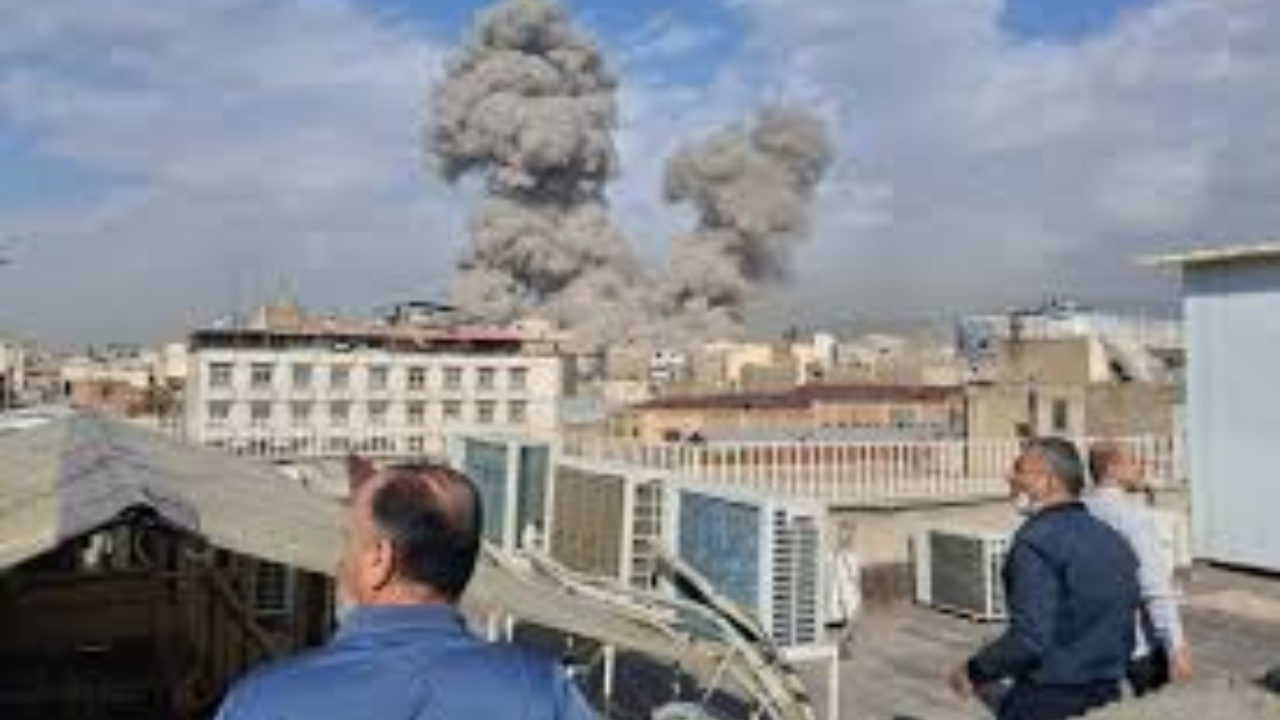
The ongoing conflict involving Iran, the United States, and Israel has placed Iranian civilian infrastructure in a precarious position. The legal framework governing these actions is International Humanitarian Law (IHL)—specifically the Geneva Conventions—which seeks to mitigate human suffering by restricting how wars are fought.
Thank you for reading this post, don't forget to subscribe!Here is a breakdown of the core legal principles currently being tested:
1. Distinction: The Primary Filter
The foundational rule of IHL is the Principle of Distinction. Warring parties must at all times distinguish between combatants and civilians, and between military objectives and civilian objects.
- Direct attacks on civilian homes, schools, or places of worship are strictly prohibited and classified as war crimes.
- Military objectives are defined as objects that make an “effective contribution” to military action and whose destruction offers a “definite military advantage.”
2. The “Dual-Use” Challenge
- The Shift: A civilian object can lose its protected status if it is being used for military purposes.
- The Restriction: Even if an object has military utility, the attacker is not given “carte blanche.” The attack must still adhere to the rules of proportionality.
3. Proportionality: Measuring the Cost
Under the Rule of Proportionality, an attack is forbidden if the “collateral damage” (incidental loss of civilian life or property) is excessive compared to the direct military benefit.
4. Special Protections for Survival
International law (specifically Article 54 of Additional Protocol I) grants special protection to objects “indispensable to the survival of the civilian population.” It is illegal to attack:
- Drinking water installations.
- Food stocks and agricultural zones.
- Irrigation works and livestock. Starvation of civilians as a method of warfare is a recognized war crime.
5. The Requirement of Precaution
Attackers are legally obligated to take “constant care” to spare civilians. This includes:
- Verifying Targets: Ensuring the target is truly military.
- Weapon Selection: Using precision-guided munitions over “dumb bombs” in populated areas.
- Advance Warning: Providing notice to civilians unless the element of surprise is a military necessity.
2026 Strategic Concerns
As of April 2026, legal monitors are closely watching two specific trends:
- The Total War Narrative: Rhetoric suggesting that damaging the Iranian economy or public morale is a valid military goal directly contradicts the principle of distinction.
- Policy Shifts: Analysts have noted that recent military doctrines from involved parties have de-emphasized civilian protection protocols, creating a “legal gray zone” that threatens to increase the humanitarian toll of the conflict.