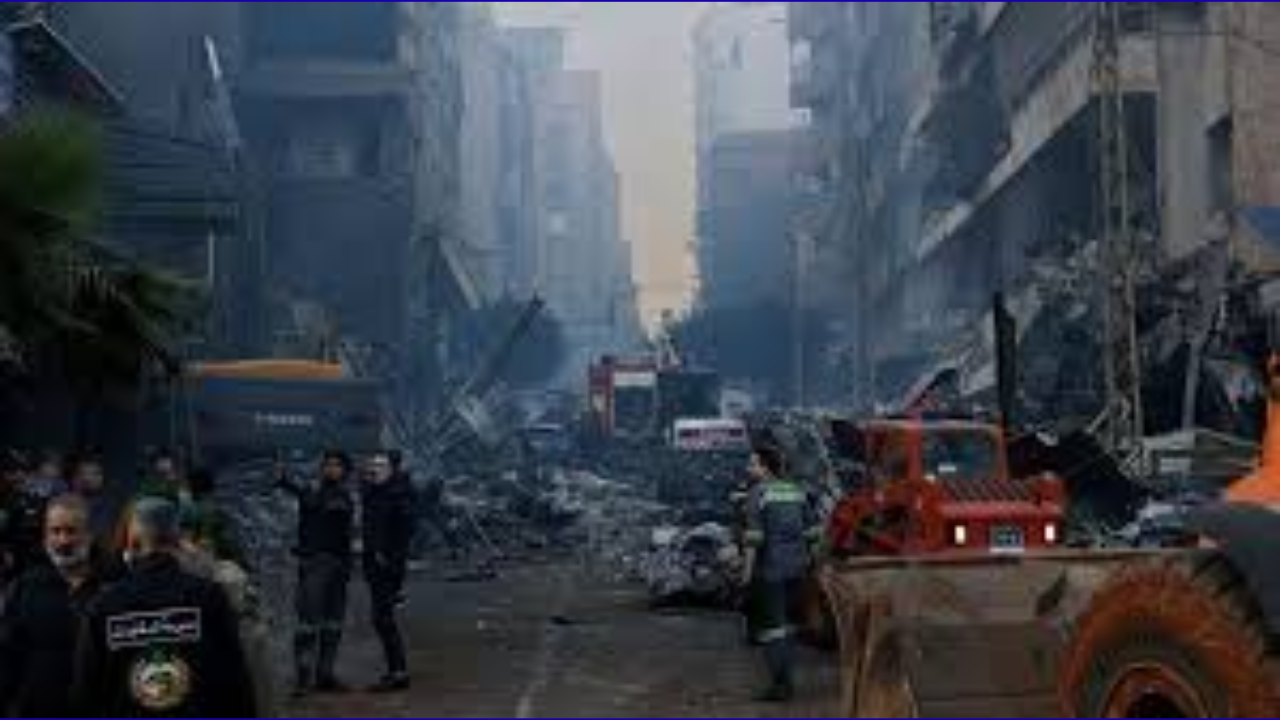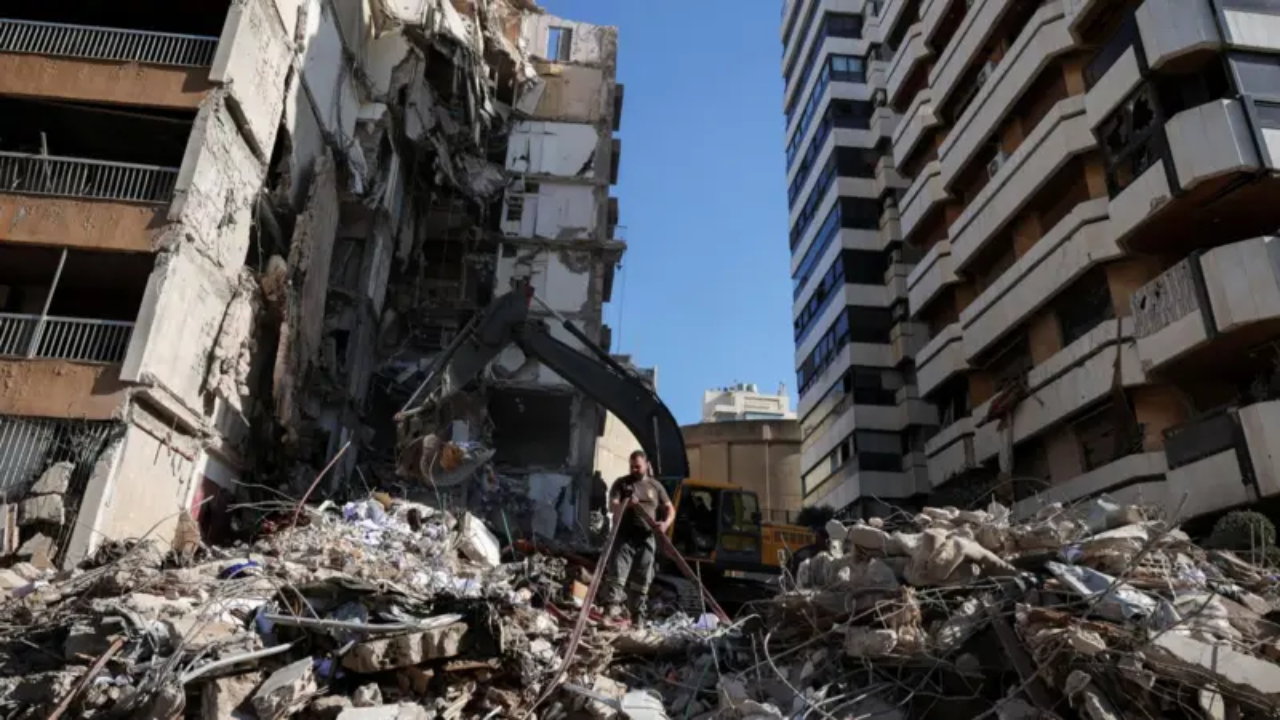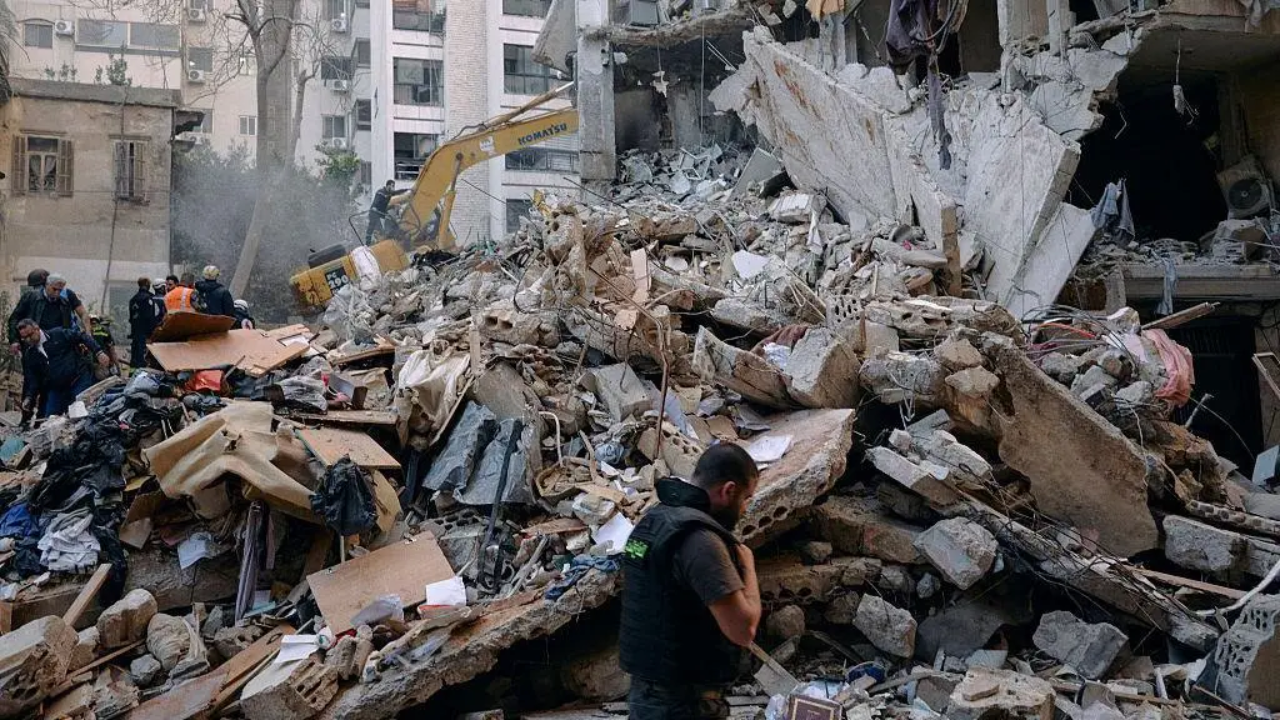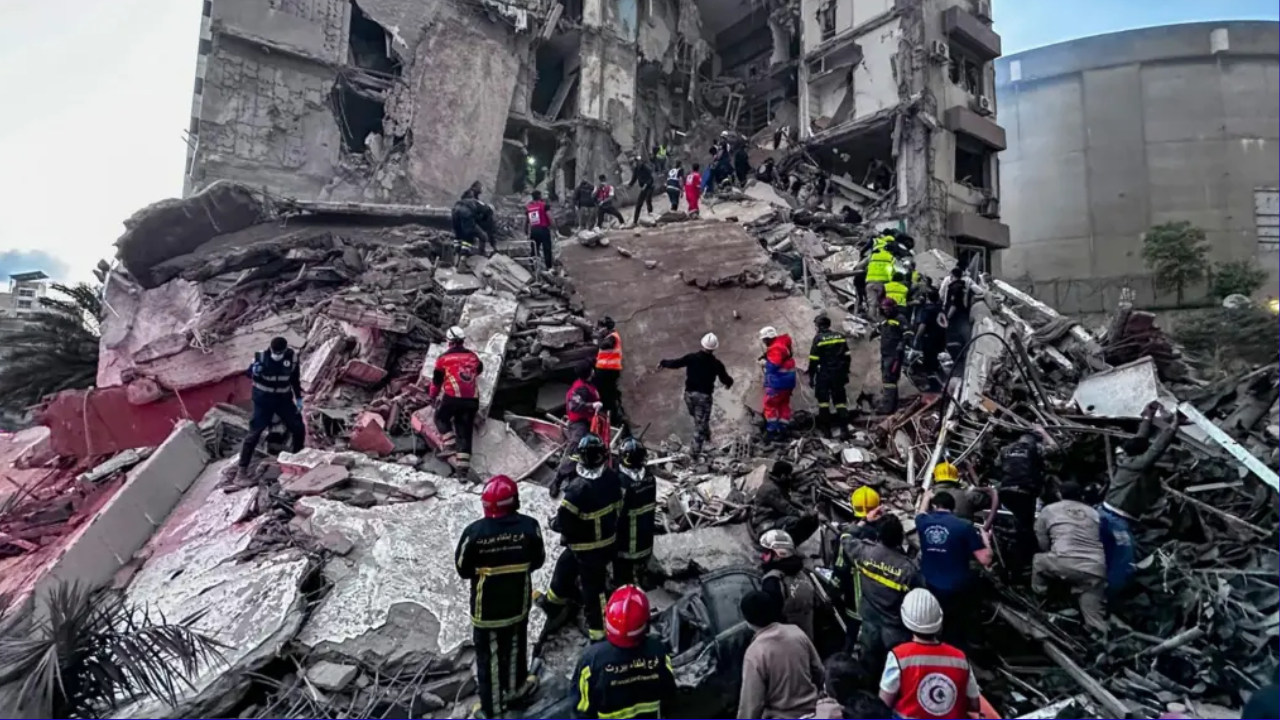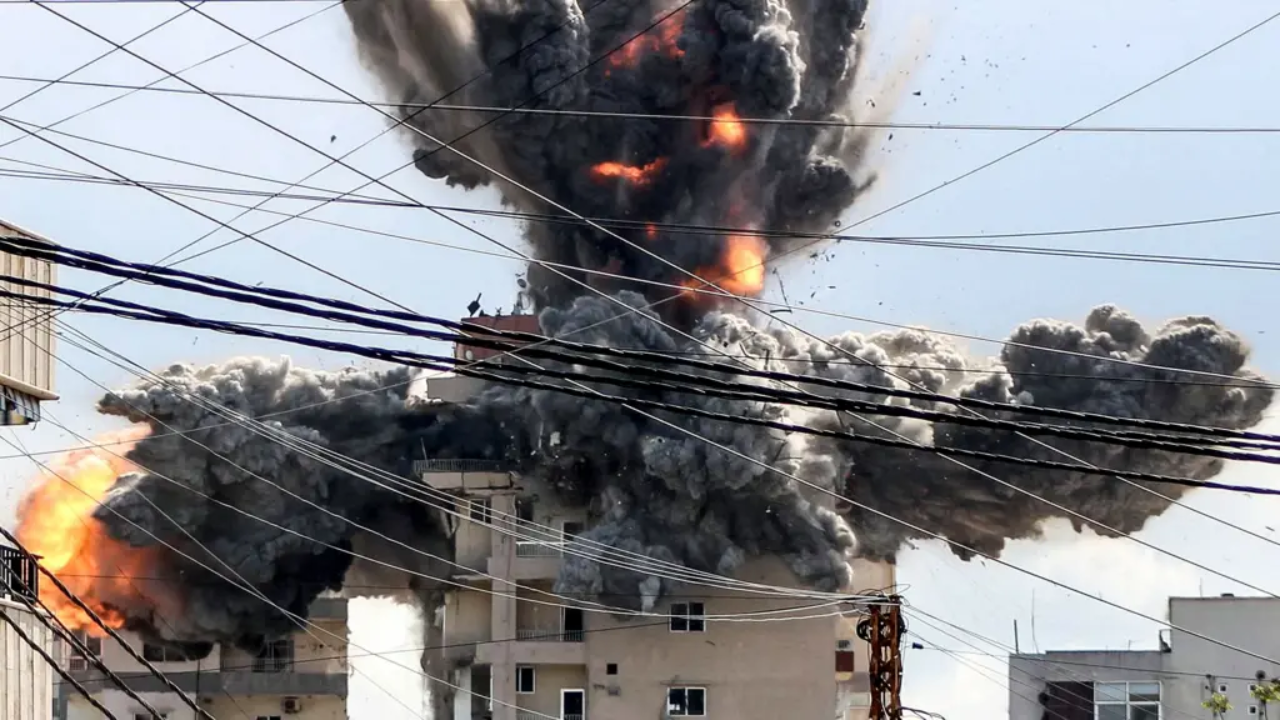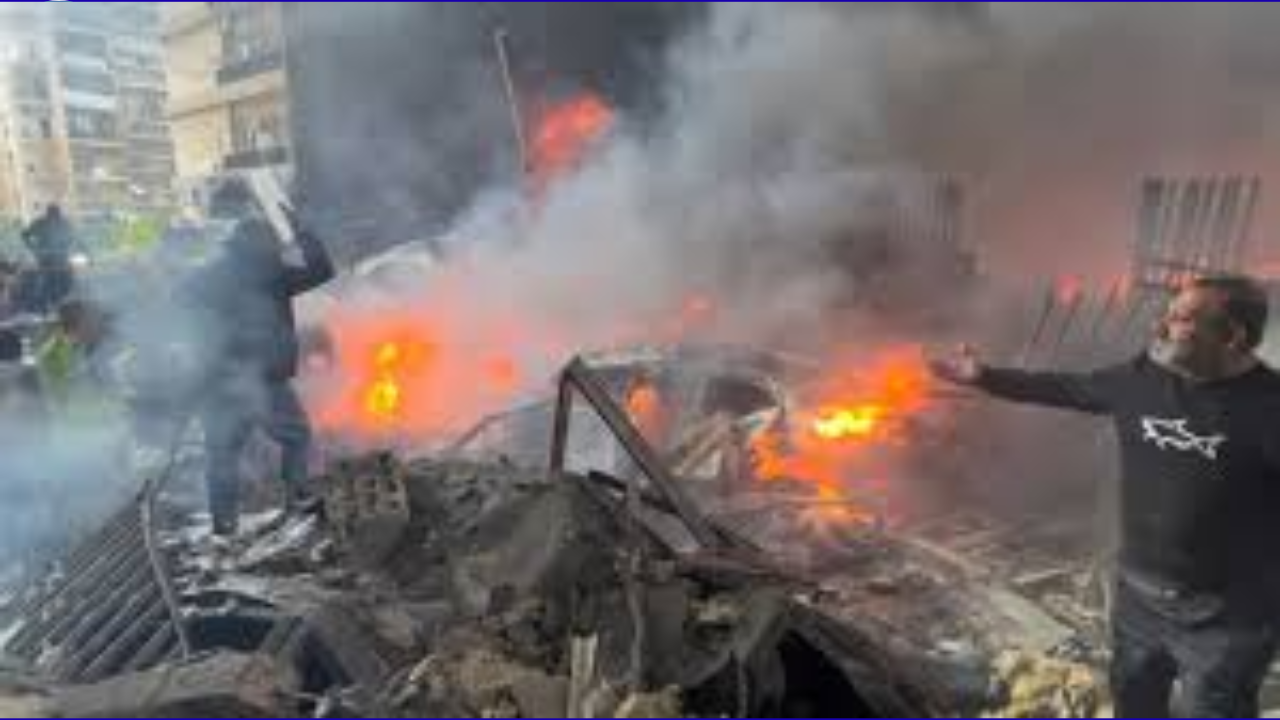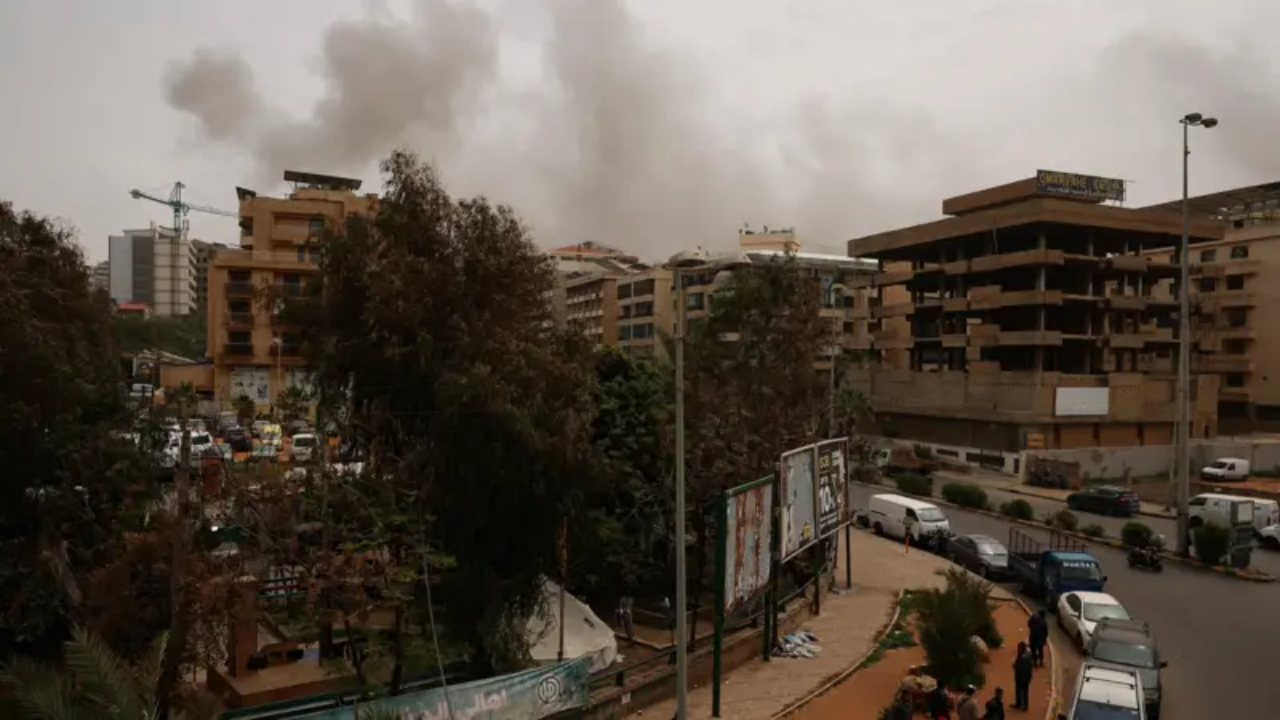
The conflict between Israel and Hezbollah has intensified significantly following a series of heavy IDF airstrikes on Beirut’s southern suburbs, commonly known as Dahiyeh. These strikes come as both sides exchange high-intensity fire across multiple fronts.
Thank you for reading this post, don't forget to subscribe!Key Developments in Beirut
- Targeting Command Centers: The Israeli military confirmed it is striking “strategic infrastructure,” specifically citing command centers used by Hezbollah, the Quds Force, and Palestinian Islamic Jihad.
- Mass Evacuations: The bombardments followed a series of urgent evacuation warnings from the IDF. Large plumes of smoke were seen rising over the capital as residents fled the targeted districts.
- Border Pressure: Israel has also issued warnings for the Masnaa Crossing at the Syrian border, claiming the route is being utilized for the transport of military hardware into Lebanon.
Escalation in the South
- Ground Operations: Now entering its second month, the Israeli ground offensive in Southern Lebanon continues to face stiff resistance.
- Rising Toll: Lebanese health authorities report civilian casualties in the south, including several children killed in strikes near Tyre. Meanwhile, the IDF confirmed another soldier was killed in combat, raising their ground operation death toll to 11.
Hezbollah’s Counter-Offensive
- Northern Israel Targeted: Hezbollah has responded with persistent rocket barrages aimed at Safed and the Golan Heights, leading to widespread siren alerts across Northern Israel.
- Naval Claims: In a notable escalation, Hezbollah claimed to have struck an Israeli warship with a cruise missile on Sunday. This claim has not yet been independently verified.
Regional Implications
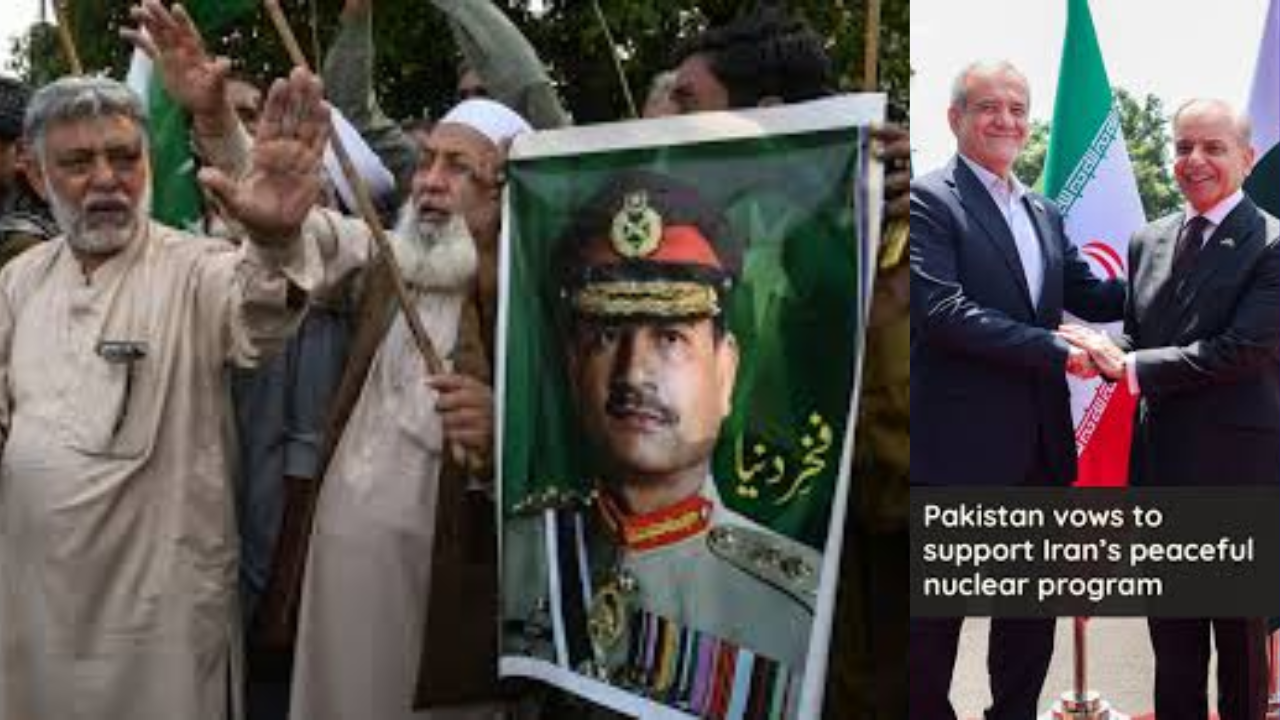
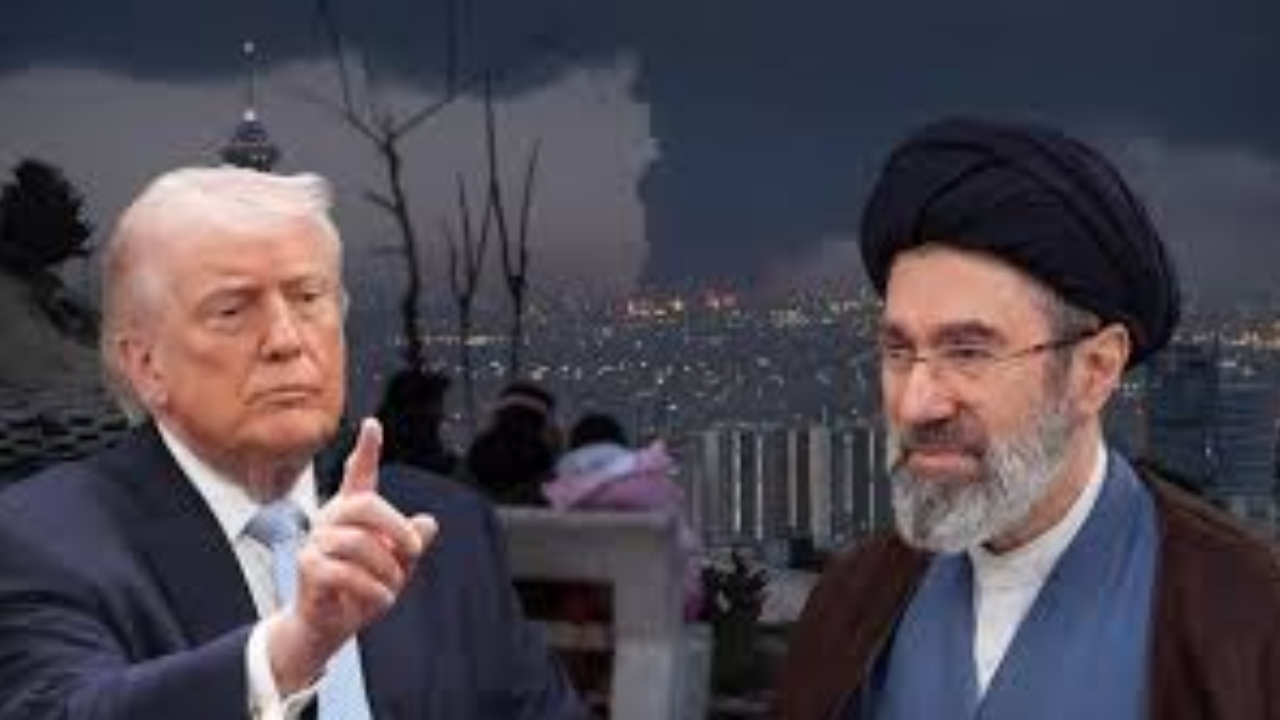
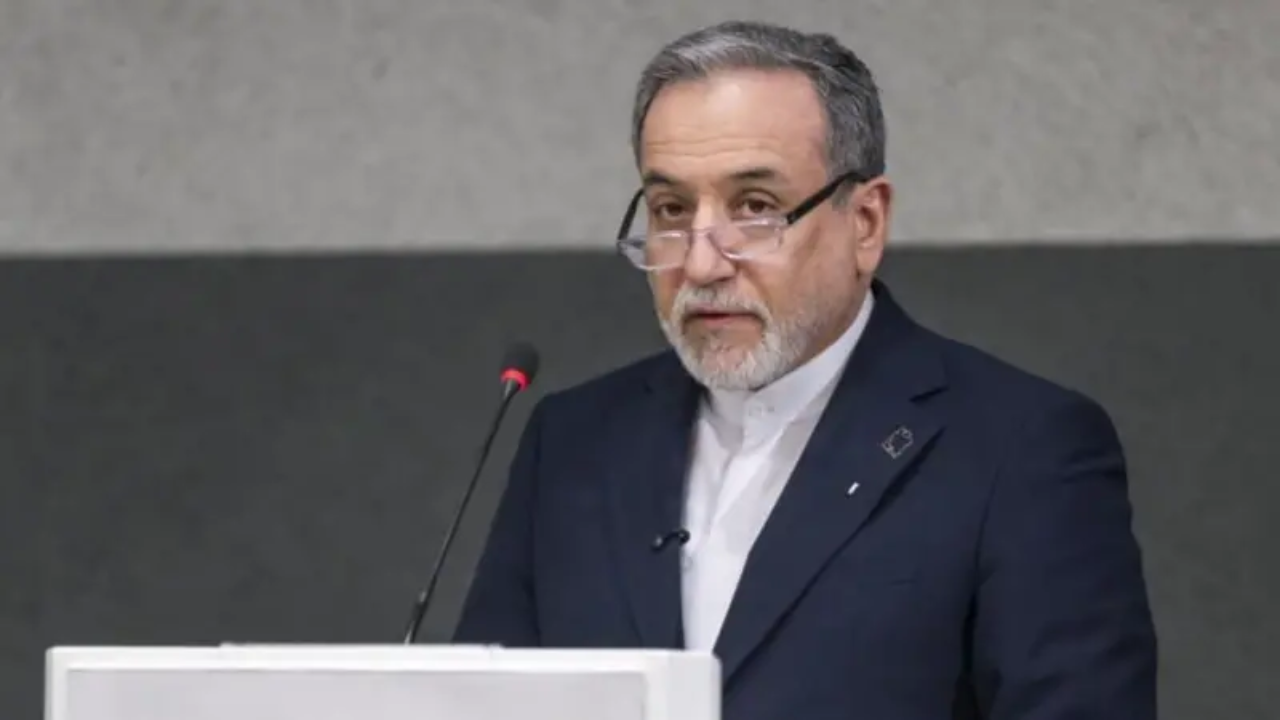
The fighting is part of a broader conflict involving Iran and the United States, which sparked in early 2026. Lebanese leadership has expressed grave concerns that the country is facing a humanitarian crisis, calling for an immediate diplomatic intervention to prevent further destruction of Lebanese infrastructure and civilian centers.