The term “Hormuz Hangover“ captures the delayed, structural pain rippling through global supply chains following the recent conflict and blockade of the Strait of Hormuz.
Even as volatile military tensions shift toward fragile diplomatic talks, energy and logistics networks cannot simply “snap back” to normal. A multi-month choke on a corridor that handles 20% of the world’s petroleum and liquefied natural gas (LNG) leaves long-term economic scars.
If your business or portfolio relies on global trade, preparing for the hangover requires managing three specific, delayed impacts.
1. The Lagging “Surcharge Shock”
The most immediate operational headache isn’t the price at the local gas pump—it is the hidden creep of energy into B2B invoices.
- Automatic Contract Spikes: Most global ocean and parcel contracts utilize Bunker Adjustment Factors (BAFs) or floating fuel surcharges. Because these lagging mechanisms base today’s pricing on trailing 30-to-60-day fuel averages, businesses are hitting a wall of massive shipping surcharges just as raw crude prices begin to cool.
- The Global Container Deficit: Because major ocean carriers were forced to divert around Africa’s Cape of Good Hope, transit times stretched by 10 to 14 days. Thousands of empty shipping containers are currently stranded in regional Gulf ports, triggering equipment shortages and capacity drops on entirely unrelated trade lanes.
2. Sticky Upstream Inflation
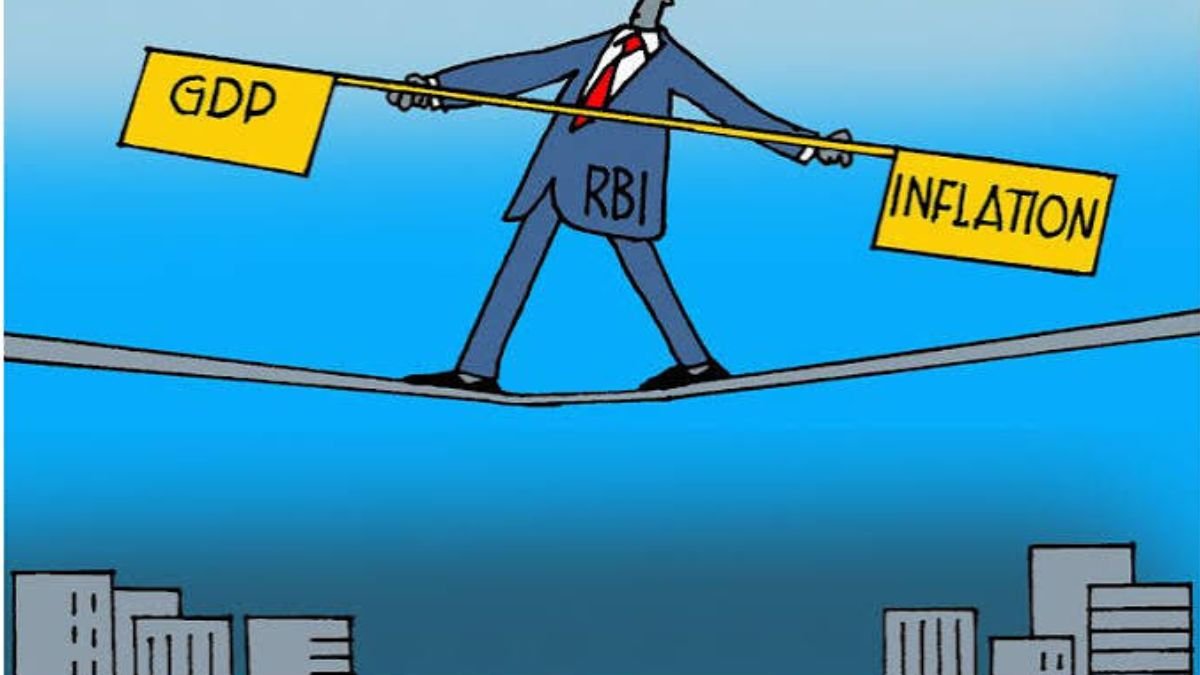
Central banks are finding it incredibly difficult to ease monetary policy or cut interest rates because the upstream inputs to manufacturing have radically shifted.
- Beyond Oil: While headlines focus on crude, the Strait is a critical bottleneck for industrial components. Gulf nations produce over a third of the global fertilizer trade (specifically natural-gas-dependent nitrogen and urea).
- The Margin Squeeze: With agricultural yields threatened and chemical manufacturers passing on energy surcharges of up to 30%, raw material costs remain stubbornly high. This creates a classic stagflationary trap: consumer demand is cooling, but production costs refuse to budge.
3. Accelerated Structural Rerouting
Just as Europe permanently severed its dependence on Russian pipelines in 2022, the Hormuz crisis has triggered permanent, irreversible shifts in how commodities move.
[Persian Gulf Corridor] ----(Blocked)----> Cape of Good Hope (+14 Days Transit)
                                    ----> Saudi East-West Pipeline (Maxed Capacity)
                                    ----> Permanent US/Asian Trade Alignments
- The Infrastructure Pivot: Saudi Arabia’s East-West pipeline to the Red Sea and the UAE’s overland link to Fujairah have been maxed out. Future capital expenditure is shifting heavily toward land-based bypass infrastructure.
- Sourcing Diversification: Major Asian manufacturing hubs (like Japan, South Korea, and India) are aggressively lock-in long-term supply contracts with US and West African exporters to permanently reduce their concentration risk in the Gulf.
The Takeaway: The acute military crisis may be cooling, but the supply chain hangover is just beginning to peak. Surviving the second half of the year means mapping your second-tier supplier exposure, auditing trailing fuel surcharges, and moving away from fragile, just-in-time inventory models.

Suresh holds a Master of Commerce (M.Com) degree and is a dedicated personal finance researcher and writer. Combining his advanced academic background in commerce with deep industry research, he covers complex topics like taxation, banking systems, credit analysis, and personal finance strategies. As the founder of Tax Assistant (taxassistant.org), Suresh is committed to translating complicated financial guidelines and economic data into simple, accurate, and actionable educational resources for everyday readers.