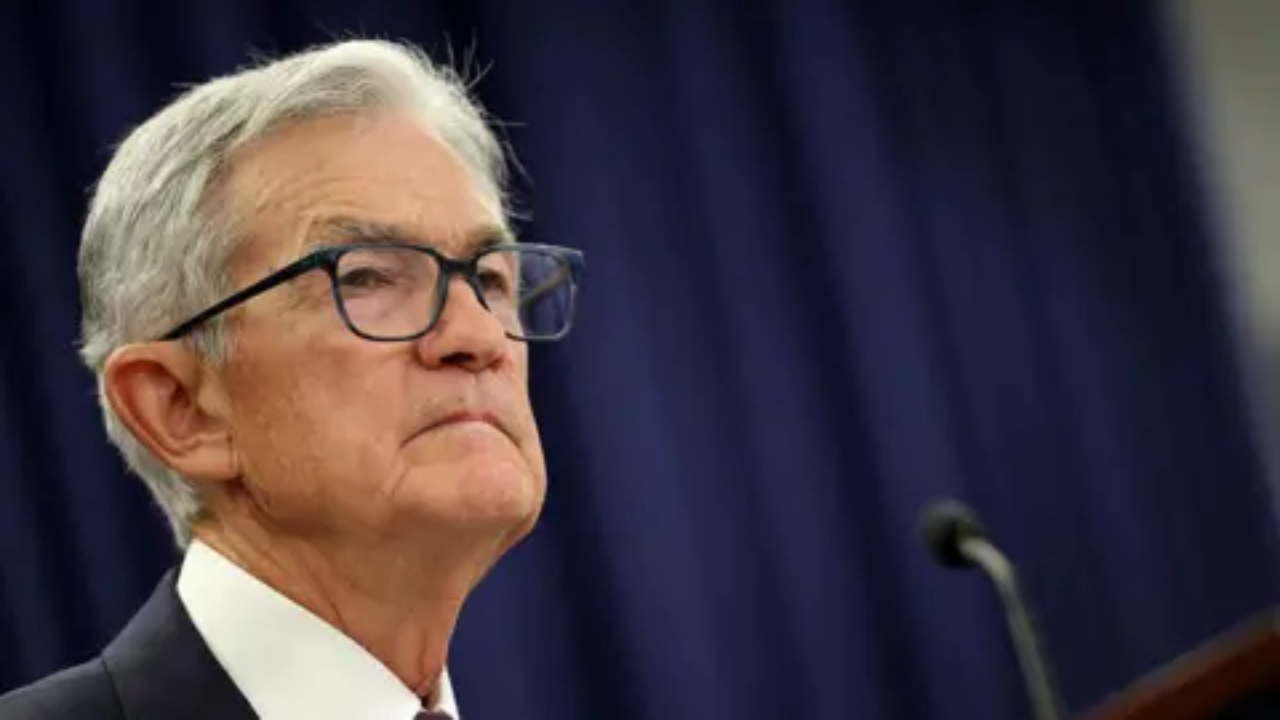
WASHINGTON — In a stinging rebuke to the Department of Justice, Chief U.S. District Judge James Boasberg on Friday blocked two grand jury subpoenas targeting Federal Reserve Chair Jerome Powell, citing a total lack of evidence to justify a criminal investigation.
Thank you for reading this post, don't forget to subscribe!The Ruling: “Essentially Zero Evidence”
Judge Boasberg’s 27-page opinion dismissed the DOJ’s probe as a thin veil for political interference. Key takeaways from the bench include:
- A Political Motive: The judge ruled that the investigation was a “political pressure campaign” designed to force Powell’s resignation or coerce the Fed into lowering interest rates.
- The “Renovation” Pretext: While the DOJ claimed to be investigating a $2.5 billion headquarters renovation, Boasberg labeled these justifications “hollow” and “pretextual.”
- Judicial Scolding: In a particularly sharp remark, Boasberg noted that the government failed to show Powell committed any crime “other than displeasing the President.”
The Fallout
The ruling has immediately intensified the friction between the White House and the central bank:
- Legislative Gridlock: Senator Thom Tillis (R-NC) signaled that the confirmation of Kevin Warsh—the President’s pick to succeed Powell—remains stalled until the administration drops its “frivolous” legal pursuits.
- DOJ Defiance: U.S. Attorney Jeanine Pirro slammed the decision, accusing Boasberg of being an “activist judge” and confirming that the government will appeal to the D.C. Circuit Court.
What’s at Stake
The case is widely viewed as a landmark test of Federal Reserve independence. If the DOJ successfully appeals, it could set a precedent for using criminal probes as a tool for executive influence over monetary policy.