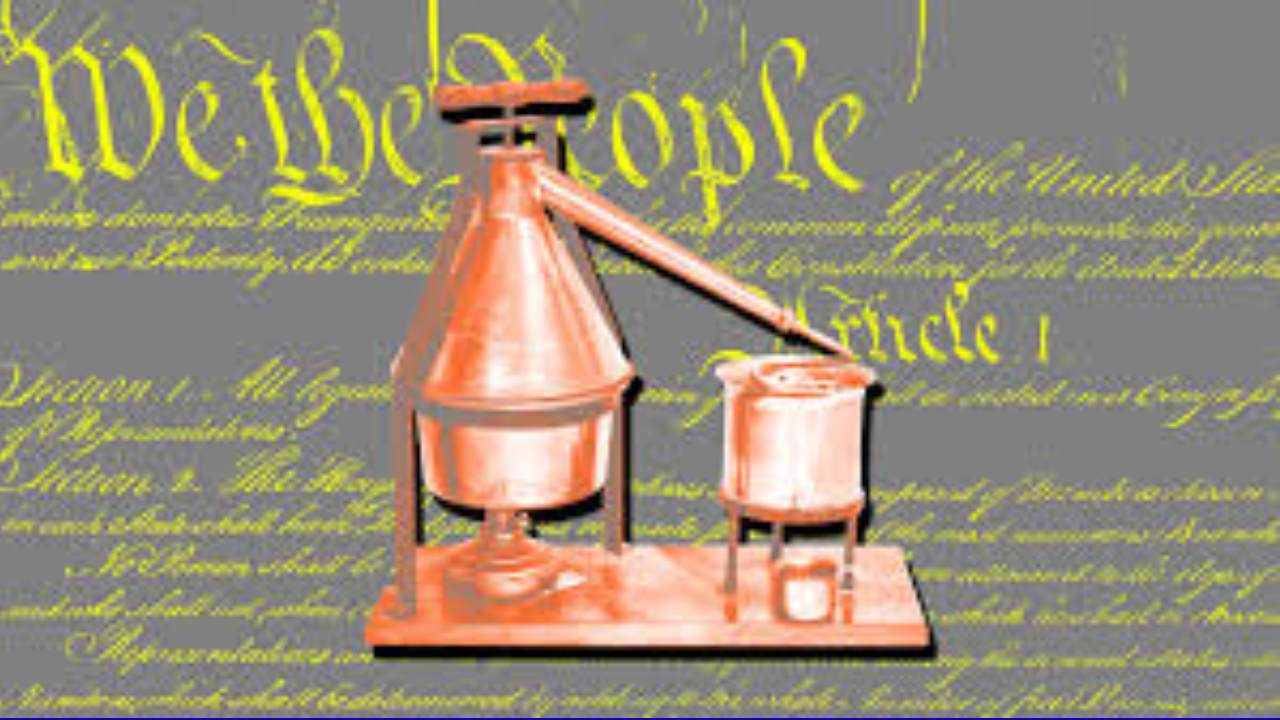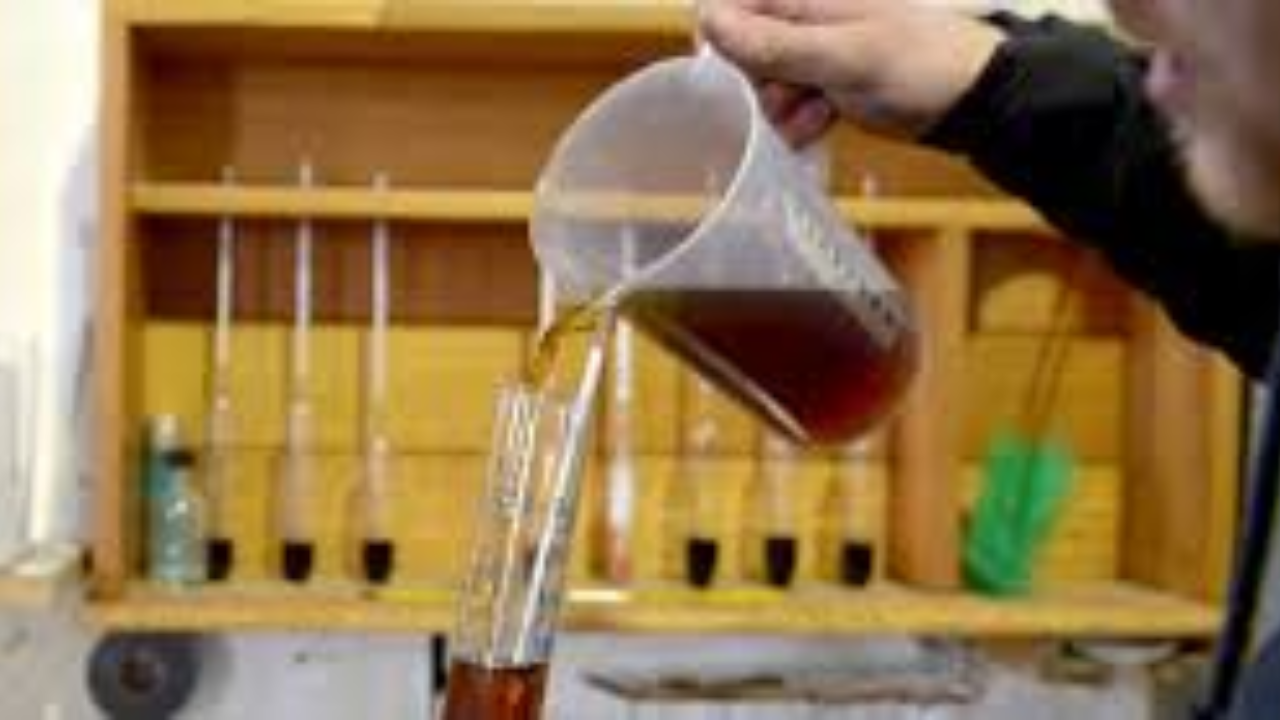
In a historic decision issued on April 10, 2026, the 5th U.S. Circuit Court of Appeals has ruled that the long-standing federal prohibition on home distilling is unconstitutional. The unanimous panel found that the government exceeded its authority by banning the production of spirits for personal use within a private residence.
Thank you for reading this post, don't forget to subscribe!Key Legal Findings
- Misuse of Taxing Power: The court rejected the government’s argument that the ban was necessary to protect tax revenue. Judge Edith Jones noted that a law preventing the creation of a taxable good (spirits) actually hinders revenue collection rather than facilitating it.
- Rejection of “Police Power”: The ruling clarified that while Congress has the power to tax, it does not have a “roving license” to regulate private, non-commercial conduct in the home under the guise of tax administration.
The Impact for Hobbyists
While the ruling is a significant win for the distilling community, the legal landscape remains complex:
- Permitting: The court did not abolish the federal excise tax or the requirement for a permit. Instead, it struck down the specific rule that prohibited those permits from being issued for home locations.
- State Law Primacy: State-level prohibitions remain in effect. In many jurisdictions, home distilling is still illegal under state law, regardless of this federal ruling.
- Regulatory Oversight: Safety, environmental, and labeling standards overseen by the Alcohol and Tobacco Tax and Trade Bureau (TTB) still apply to the production of distilled spirits.
Future Outlook
Note: Amateur distillers should consult their local and state statutes before beginning production, as state enforcement remains independent of this federal court decision.