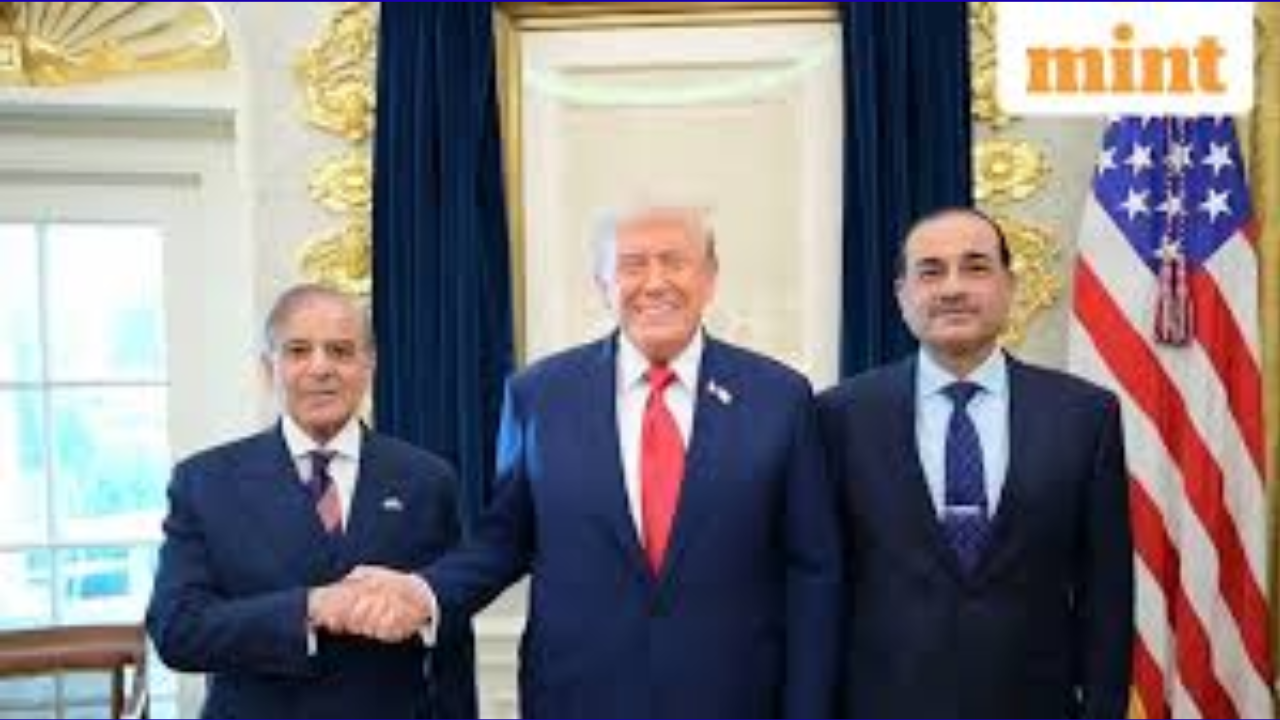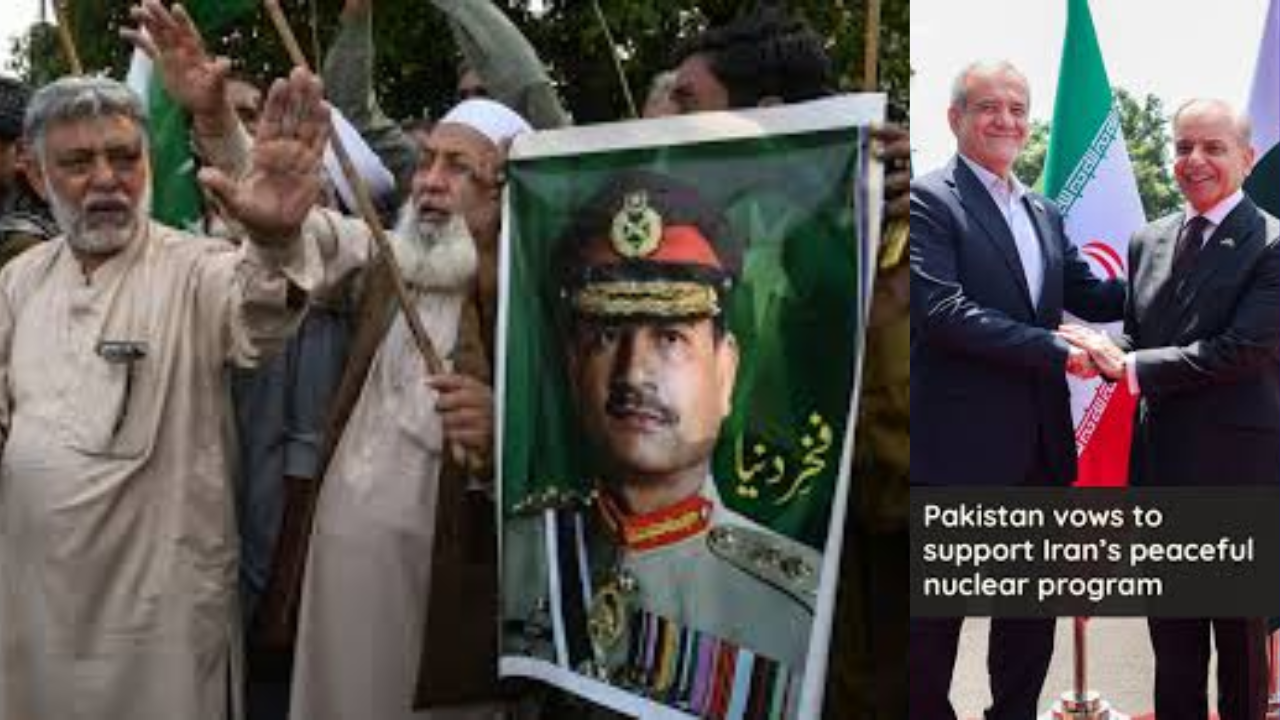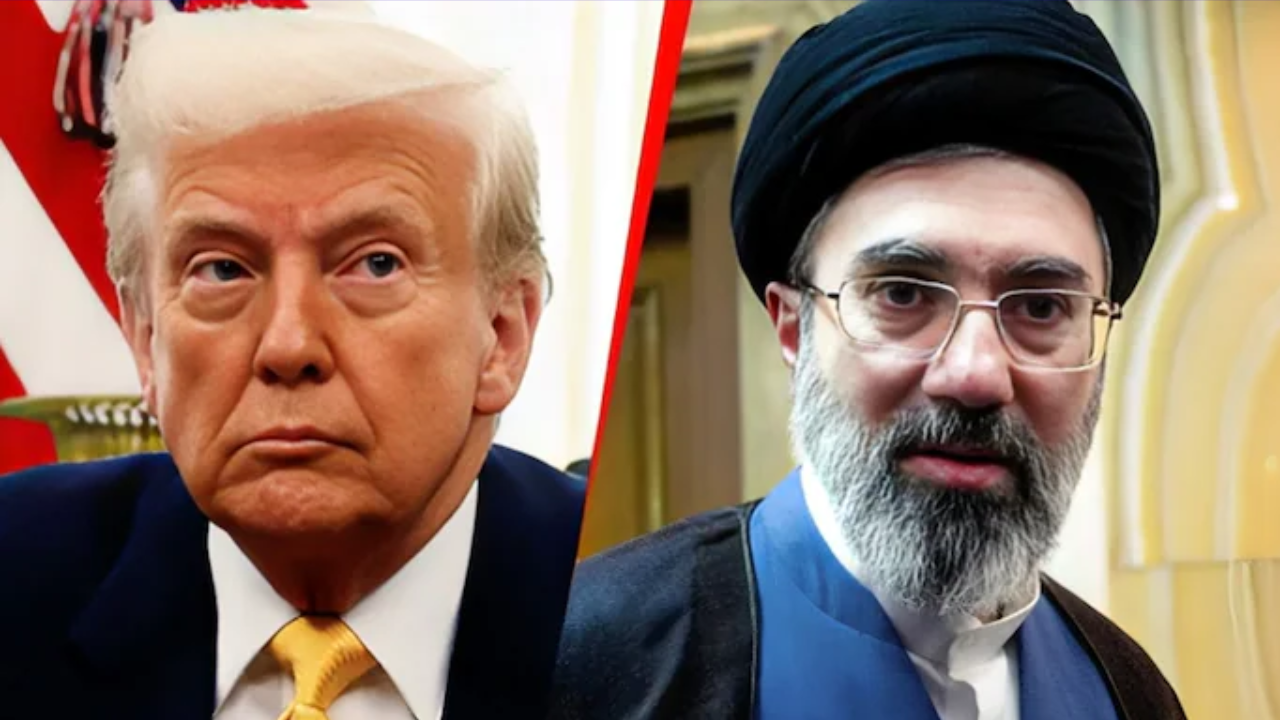
The geopolitical landscape remains volatile as of April 6, 2026, following Iran’s formal rejection of a new ceasefire proposal delivered by Pakistan on behalf of the United States. Despite intense mediation efforts by Islamabad, the divide between Tehran and Washington appears to be widening as a critical U.S. deadline approaches.
Thank you for reading this post, don't forget to subscribe!The Pakistani Mediation Effort
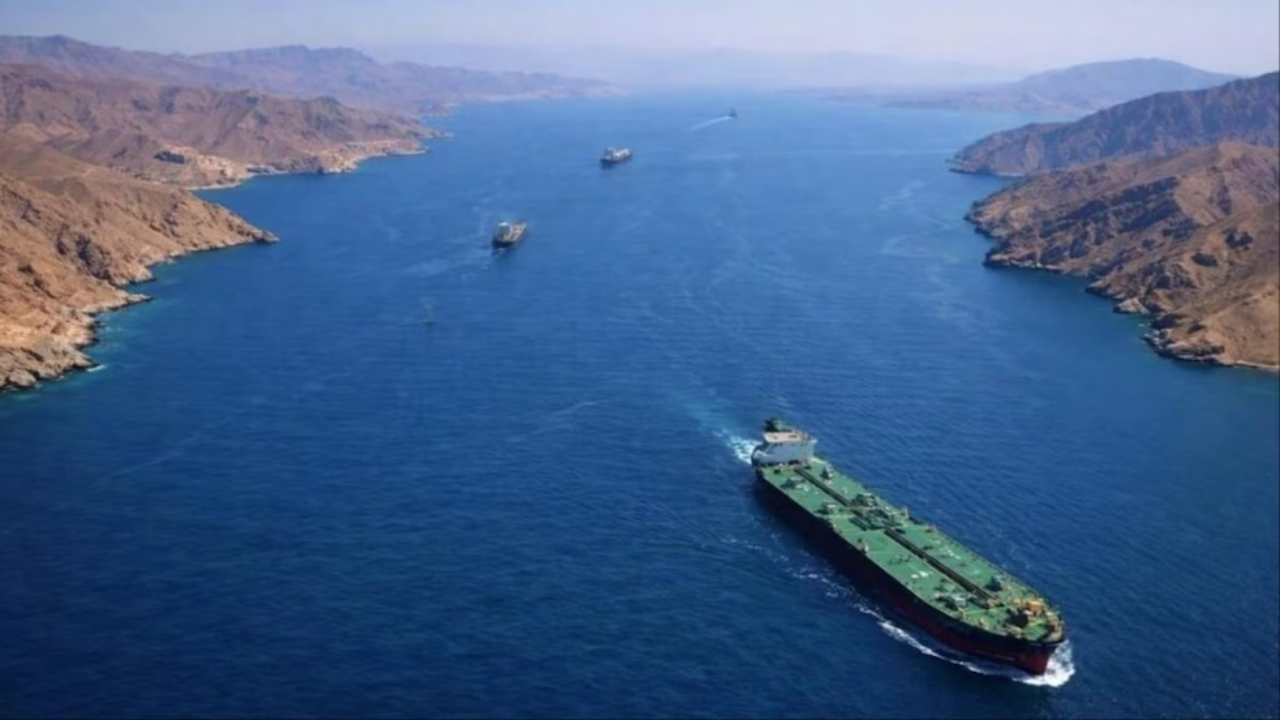
- The Framework: The proposal suggested a 45-day ceasefire paired with the immediate reopening of the Strait of Hormuz.
- The Incentive: In return, the U.S. offered a roadmap toward potential sanctions relief and a permanent cessation of hostilities.
- The Response: Iran officially dismissed the offer, labeling previous 15-point plans as “excessive.” Tehran’s leadership maintains that any agreement must be permanent rather than a temporary “pause.”
Primary Conflict Points
The rejection highlights a fundamental lack of trust between the two nations. The current stalemate is defined by two irreconcilable positions:
- Security Guarantees: Iran is demanding binding, long-term security guarantees and a permanent end to military threats. They have expressed skepticism regarding Washington’s commitment to lasting peace.
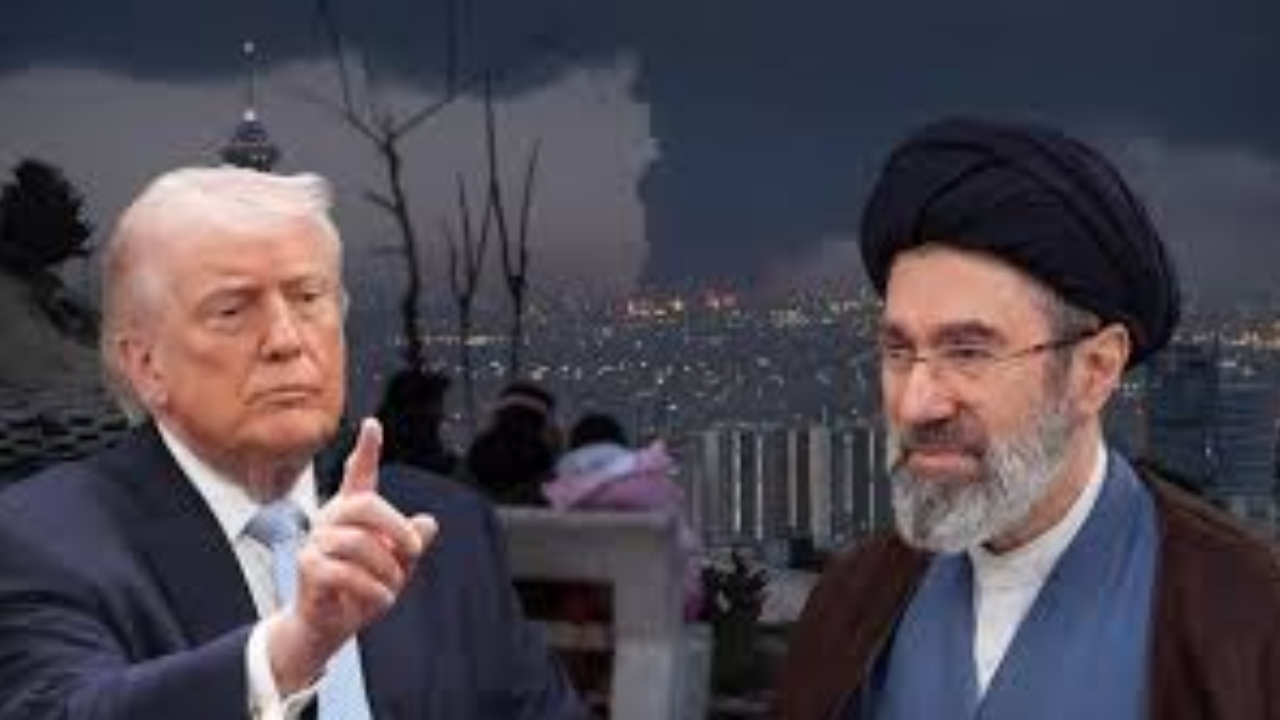
- The U.S. Ultimatum: President Trump has established a deadline of Tuesday, April 7, 2026, at 8:00 PM ET. The U.S. has warned of “devastating” consequences for Iran’s power and energy infrastructure if the Strait of Hormuz is not reopened by this time.
Global and Military Implications
As the diplomatic clock ticks down, the effects of the standoff are being felt both on the battlefield and in the global economy:
- Market Volatility: Global oil prices have been fluctuating wildly. While news of the Pakistani proposal initially caused a 4% drop in crude futures, the subsequent rejection has renewed fears of a prolonged energy crisis.
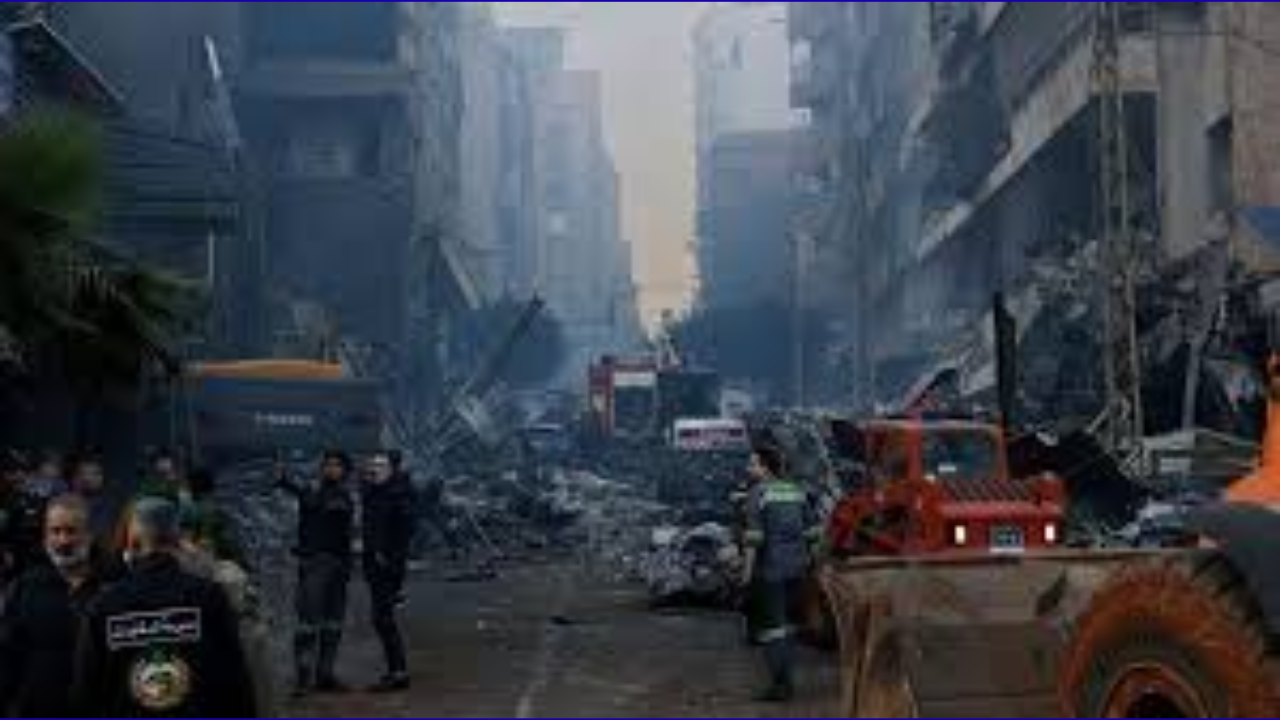
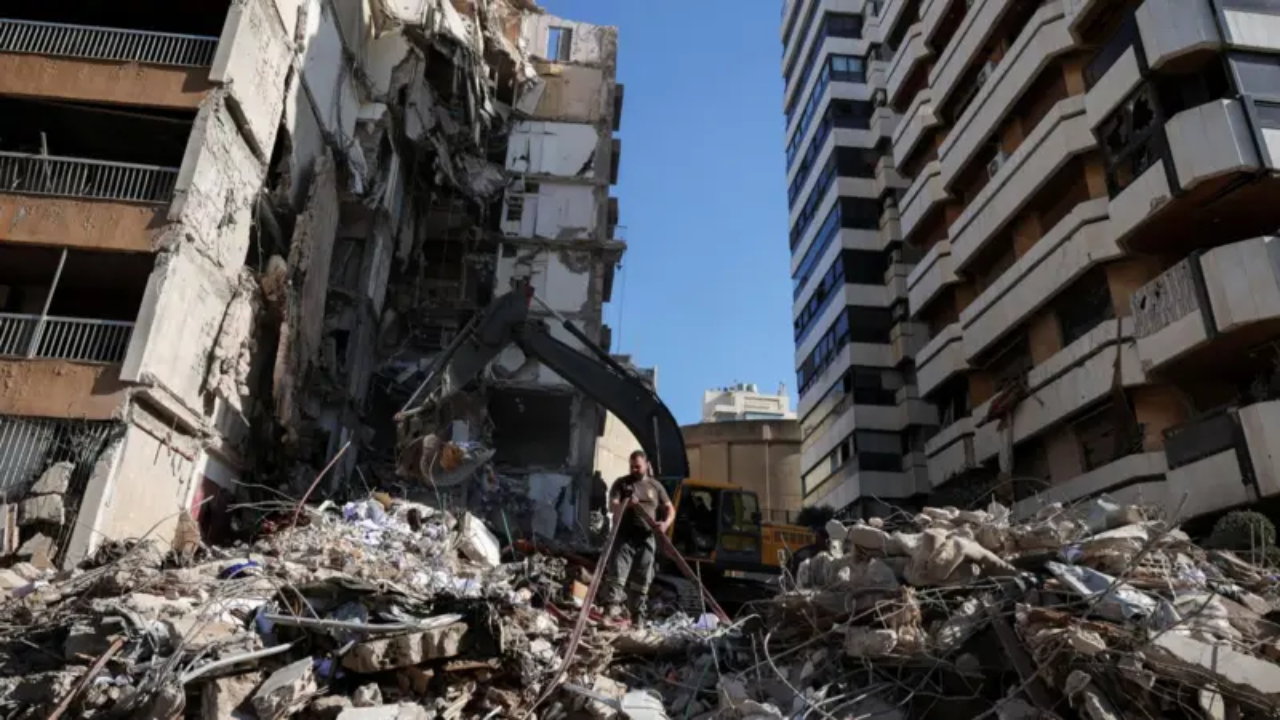
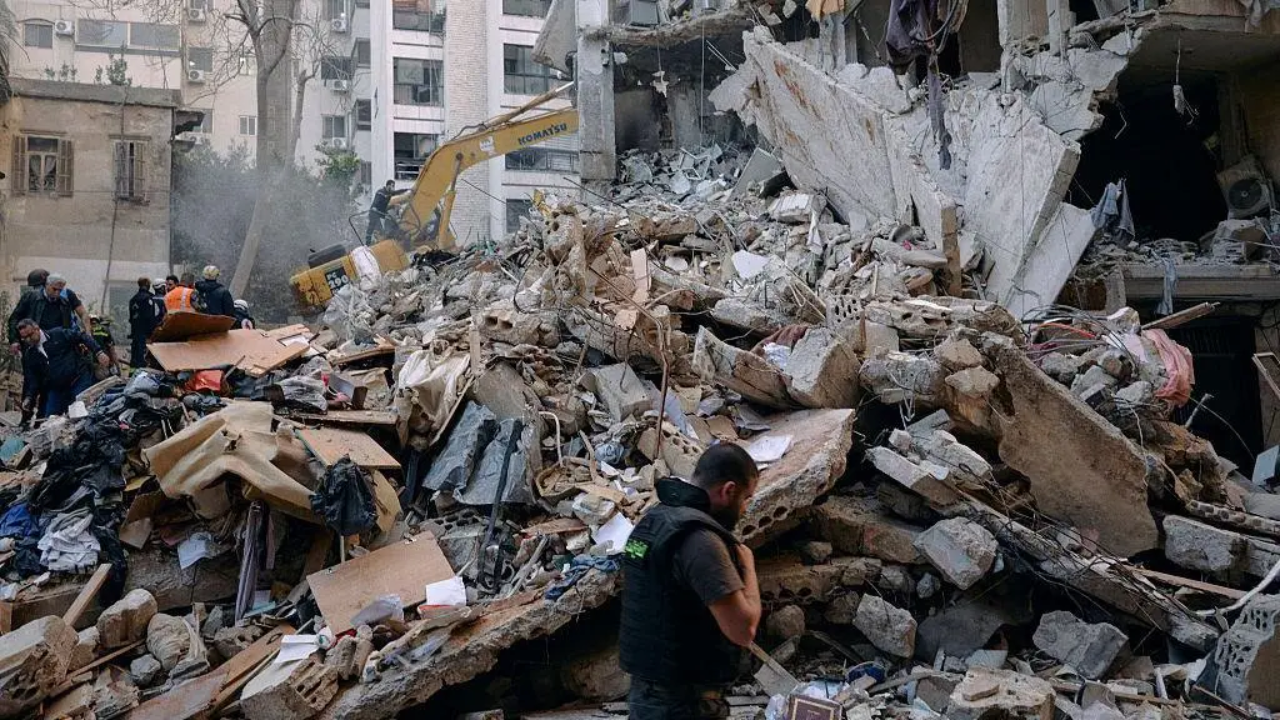
- On-the-Ground Activity: Iranian military officials have signaled their intent to continue regional strikes, asserting they will persist until their strategic objectives are met.
Status Update: With less than 24 hours remaining until the U.S. deadline, all eyes are on whether a modified proposal can be reached or if the region faces further military escalation.