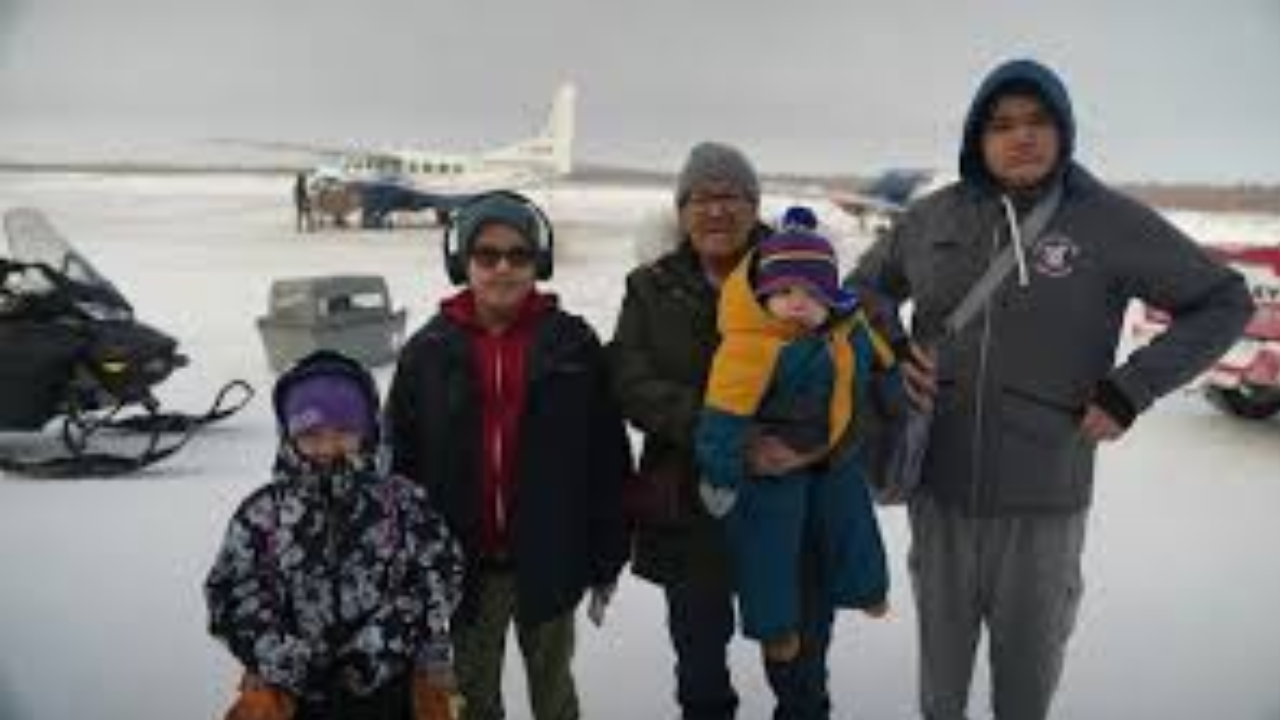
A massive emergency evacuation of Kashechewan First Nation is entering its final stages. As of January 18, 2026, the community is nearly a ghost town, with only a few hundred people remaining out of a population of more than 2,000.
Thank you for reading this post, don't forget to subscribe!A catastrophic failure of the local water and sewage systems has left the Northern Ontario community uninhabitable, forcing residents to flee to cities across the province.
The “Double Crisis”: Sewage and Sickness
The evacuation was triggered by a “nightmare scenario” involving the community’s aging infrastructure:
- Contamination: A sewage pump failure caused raw waste to back up into the freshwater treatment plant, poisoning the community’s water supply.
- Health Outbreak: Health officials have confirmed multiple cases of cryptosporidium, a parasite that causes severe gastrointestinal distress. Residents have reported widespread illness, particularly among children and the elderly.
- Loss of Services: The local nursing station was flooded with sewage and had to be condemned, leaving the remaining residents with virtually no medical support.
Life for Those Left Behind
- No Running Water: Taps have been shut off to prevent further illness.
- Bottled Water Reliance: The community is entirely dependent on water being flown in on cargo planes.
- Sub-Zero Conditions: With the evacuation occurring in the middle of winter, the logistics of moving thousands of people while managing a health crisis has strained provincial resources.
The Host Communities
Evacuees are being scattered across Ontario to stay in hotels and community centers. Niagara Falls is currently the primary host, expecting to take in up to 1,700 people, while Timmins, Kapuskasing, and Kingston are also receiving flights.
A Growing Call for Permanent Change
Chief Hosea Wesley and other Indigenous leaders have expressed deep frustration, noting that this is not the first time the community has been forced to leave. They are calling on the federal government to honor a 2019 agreement to move the community to a new site on higher ground. Leaders argue that “band-aid fixes” on a 30-year-old system are no longer acceptable.