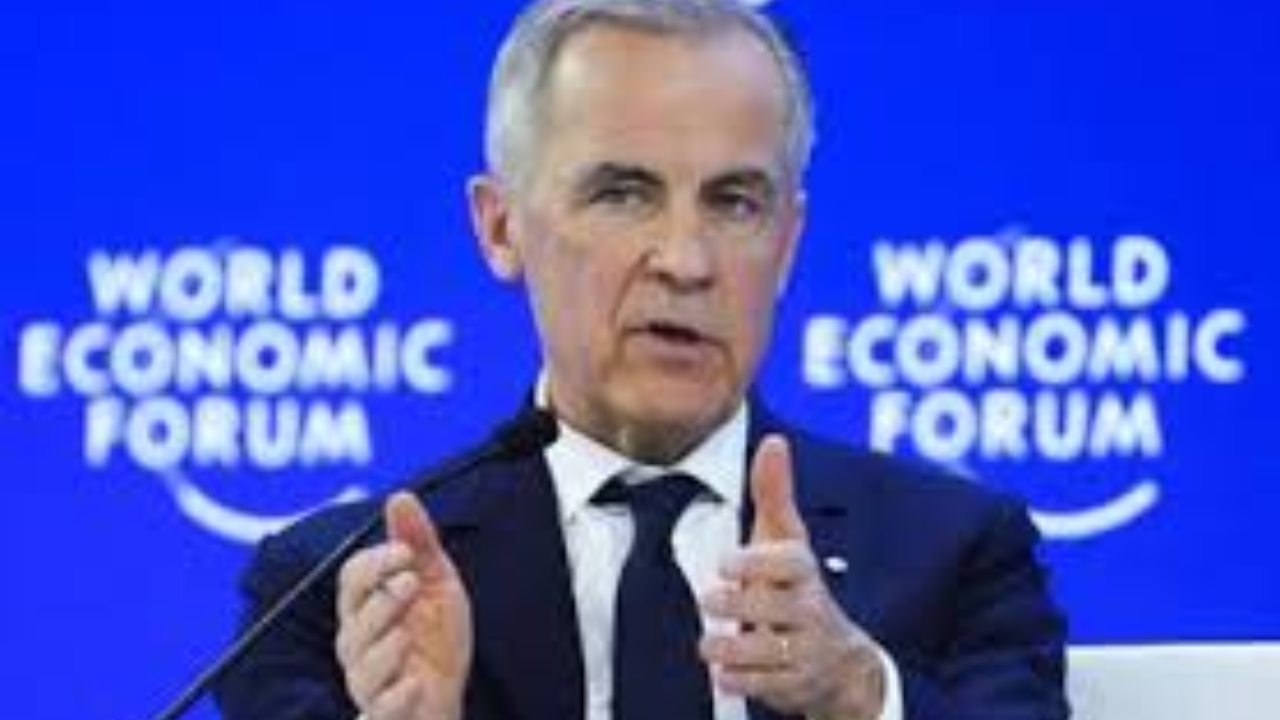
Prime Minister Mark Carney’s recent Davos address—proclaiming the death of the old world order—was a masterclass in “value-based realism.” But while the world’s elite cheered, Canada’s business leaders are checking their balance sheets. The consensus? They love the vision, but they’re terrified of the bill.
Thank you for reading this post, don't forget to subscribe!The Endorsement: A Call for “Team Canada”
Business leaders are largely aligned with Carney on three fronts:
- Strategic Autonomy: Executives in the resource and tech sectors agree that Canada can no longer be a passive observer in global trade. The push for “buyers’ clubs” with the EU and TPP is seen as a vital insurance policy against U.S. volatility.
- The Energy Pivot: Carney’s rebranding of Canada as a “clean energy superpower” has energized the energy sector, provided the government follows through on cutting the red tape that has stalled projects for a decade.
- Security as Economy: There is broad support for treating defense and infrastructure as economic engines rather than just line-item costs.
The Reservations: Three Major “Yeah, Buts…”
The applause in Switzerland hasn’t quite translated to total confidence at home. Here’s where the friction lies:
- The “America First” Blowback: Carney’s pivot away from a U.S.-centric trade model is seen as a massive gamble. With the auto and steel sectors inextricably tied to the U.S., many CEOs fear that Carney’s “principled stance” is an invitation for Washington to launch a fresh round of punitive tariffs.
- The Cost of Resilience: “Strategic autonomy” is expensive. Business leaders worry that building redundant, “friendly” supply chains will lead to permanent inflation and a higher cost of doing business compared to their global competitors.
- The China Paradox: Many are scratching their heads over the timing of the new China-Canada agricultural partnership. Critics argue that cozying up to Beijing while preaching “value-based realism” is a strategic contradiction that could alienate our closest security allies.
The Bottom Line: Canadian CEOs are ready to follow Carney’s lead, but they are demanding “action over adjectives.” They want to see if the Prime Minister can turn a brilliant speech into a functional, protected economy without sparking a trade war.
Comparison of Key Concerns
- Tech/Mining: Enthusiastic about the “buyers’ clubs” but wary of slow domestic approvals.
- Manufacturing: Terrified of U.S. retaliation and the loss of “frictionless” trade.
- Agriculture: Optimistic about new markets (China) but concerned about political whiplash.